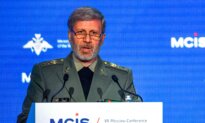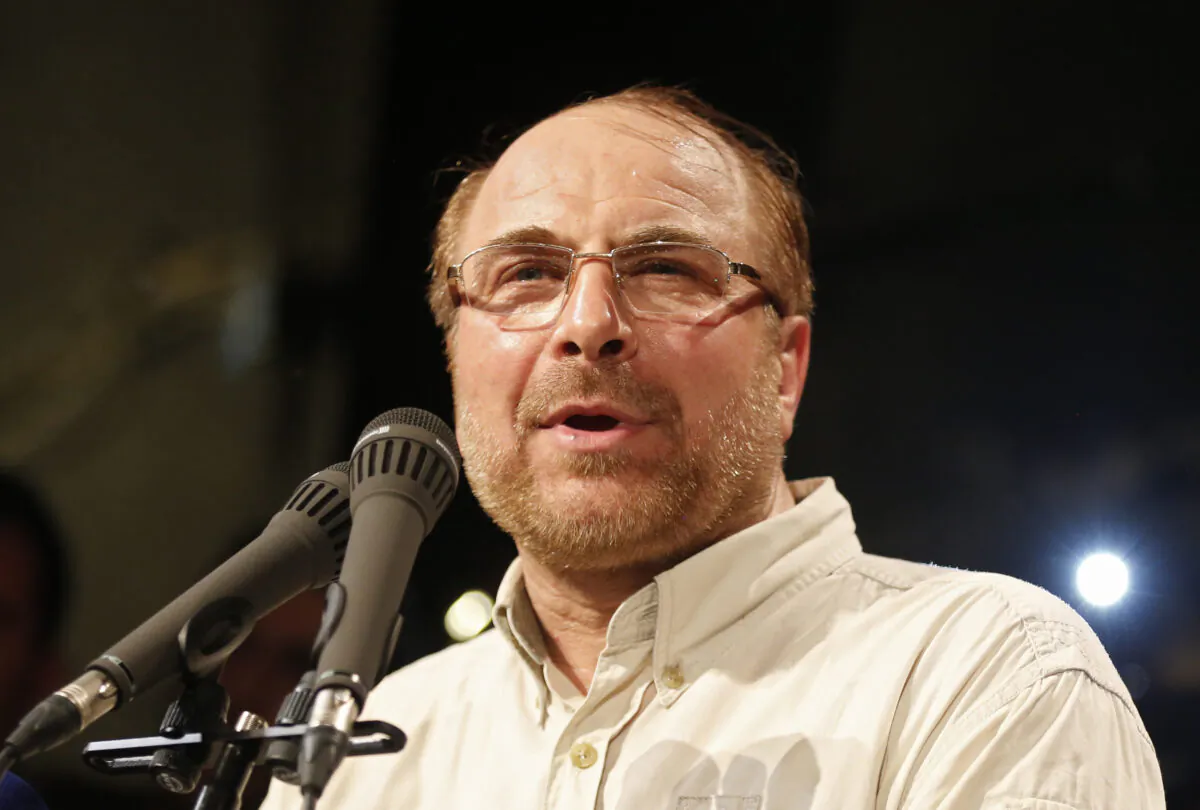

Iranian Parliament Speaker Mohammad Bagher Qalibaf on Tuesday issued a list of demands that he said the United States must meet before the Strait of Hormuz can be reopened, as U.S. President Donald Trump posted an image on social media claiming the strait is now American territory.
The semi-official state media IRNA said Ghalibaf, who was involved in Tehran’s negotiations with the United States on ending the conflict, said that the U.S. government must end its naval blockade, end sanctions, and release frozen assets that he said belong to Iran.
He also said that the United States must adhere to points laid out in a memorandum of understanding signed by the two parties in June, which has since expired.
On Tuesday, Trump posted an image with the text, “NEW U.S. TERRITORY,” which included a circle drawn around the strait.
Later, the U.S. president wrote that “there are no talks or conversations going on, or scheduled, with the Islamic Republic of Iran” and confirmed the blockade is in full force while adding that the Strait of Hormuz is also open and operating. He did not provide more details.
The memorandum of understanding, clinched on June 17, quickly dissipated over a dispute about control of the Strait of Hormuz, the narrow waterway through which a fifth of global oil and liquefied natural gas flowed before the war.
In mid-July, Trump said that memorandum was effectively over and later resumed a bombing campaign against Iran that lasted for about two weeks before a pause. The U.S. naval blockade of Iranian ports is still in effect, U.S. Central Command said in an Aug. 17 post on X.
The military command wrote on Monday that since it was reinstated last month, the military has redirected 64 commercial vessels, disabled three, and boarded two ships that were going to or from Iran to “ensure compliance” with the blockade.
The blockade is part of a separate, economically related pressure campaign—which also includes sanctions—aimed at forcing Iran into a possible deal with the United States.
This month, Oman and Iran have held talks on restoring commercial shipping in the strait. Trump told Fox News in an Aug. 17 interview that the United States could bomb Oman if it “gets in the way.”
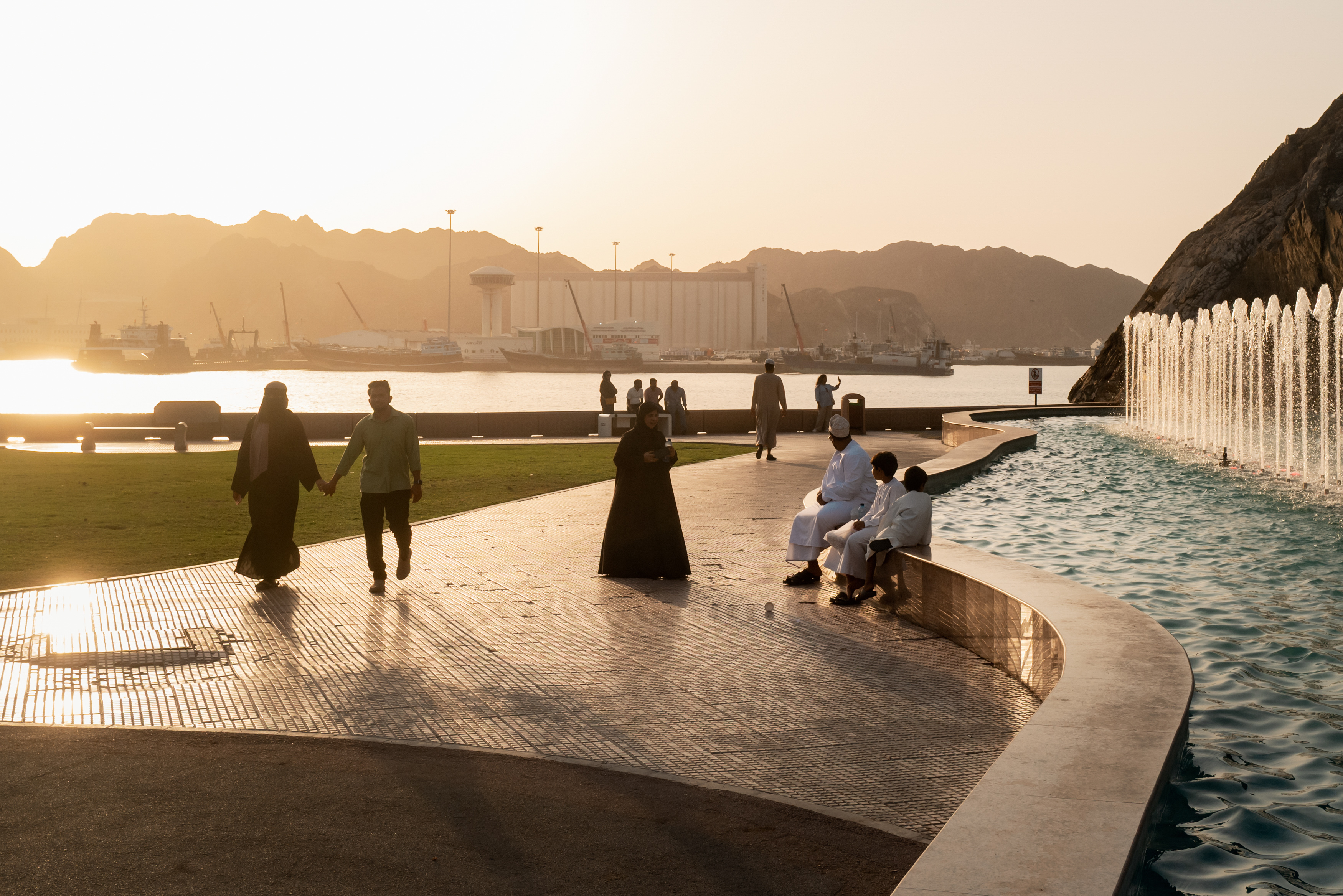 Locals visit the port in Muscat as oil tankers, general cargo ships, bulk carriers, and fishing boats sit anchored in the waters off Muscat near the Strait of Hormuz in Muscat, Oman, on June 18, 2026. (Elke Scholiers/Getty Images)
The dispute over control of the Strait of Hormuz has driven up oil and gas prices and put pressure on Trump to end the war ahead of the November midterm elections, which will decide control of the U.S. Congress.
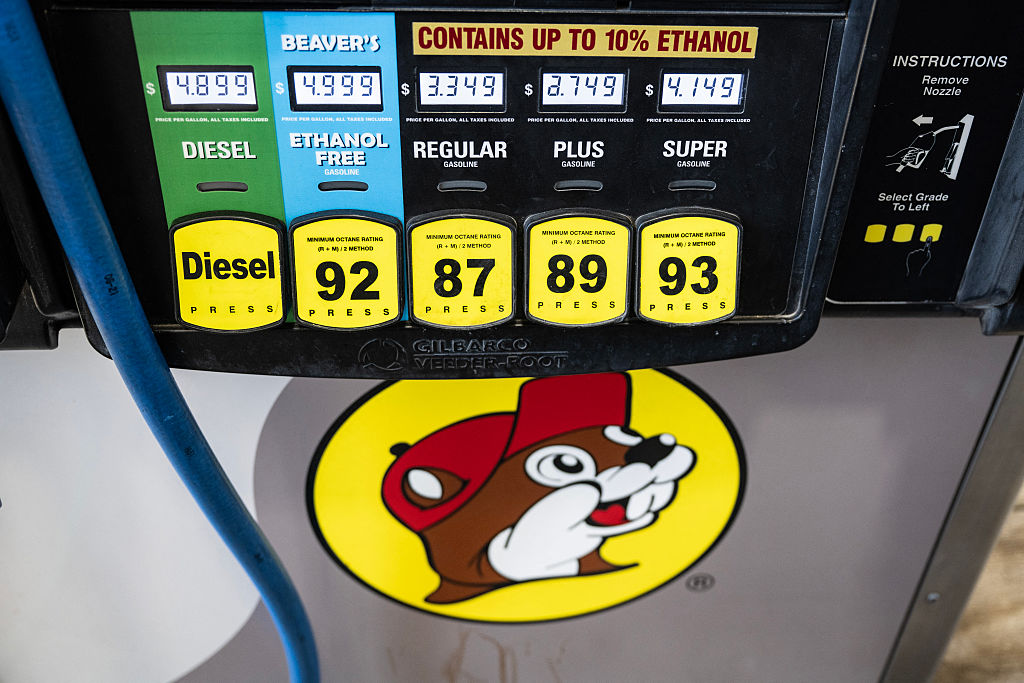 Gasoline prices are displayed in a gas dispenser at a Buc-ee’s gas station in Katy, Texas, on Aug. 17, 2026. (Ronaldo Schemidt/AFP via Getty Images)
“Midterms have nothing to do with my thinking,” he said.
Earlier in the day, Trump said in a post on Truth Social that “the number one Goal is, and always will be, that Iran cannot have, in any way, shape, or form, a Nuclear Weapon,” repeating one of the stated reasons for launching the ongoing military campaign against Iran, starting in February.
Reuters contributed to this report.
 Friends Read Free
Copy
Facebook
Tweet
Friends Read Free
Copy
Facebook
Tweet