
The Iranian Foreign Ministry spokesman has said that negotiations with the United States are ongoing through Pakistani mediators, after U.S. President Donald Trump warned Tehran to move quickly to reach a deal.
“Despite the fact that the American side publicly declared the proposal rejected, through the Pakistani mediator, we received a set of corrective points and considerations reflecting their views,” Esmail Baghaei said on May 18 during a media briefing in Tehran.
“The process continues through the Pakistani mediator.”
Baghaei said Iran was not going to compromise or negotiate on the country’s nuclear program.
“Iran’s right to enrichment is recognized under the NPT agreement, or the Treaty on the Non-Proliferation of Nuclear Weapons,” he said.
“There is no need for another party to recognize this right for Iran. This right already exists.”
Last week, Tehran submitted a peace proposal to the United States that Trump said he rejected because of a lack of guarantees on the country’s nuclear program—a key component of the negotiations.
On May 11, Trump told reporters that the ceasefire between the two nations was on “massive life support” as the U.S. military continues its naval blockade on Iranian ports.
In a May 18 post on X, the Iranian Embassy in Mumbai, India, cited a report by Iranian media outlet Tasnim stating that Tehran had delivered a new 14-point negotiation proposal to its Pakistani intermediary.
According to Tasnim, a semi-official news agency affiliated with the Iranian Revolutionary Guard Corps, a source close to the Iranian negotiating team said that the new text focuses on “negotiations to end the war and confidence-building measures by the American side.”
Pressure From Trump
On May 17, Trump said in a Truth Social post that Tehran needs to move fast on negotiations or attacks will continue.
“For Iran, the Clock is Ticking, and they better get moving, FAST, or there won’t be anything left of them. TIME IS OF THE ESSENCE!” he wrote on May 17.
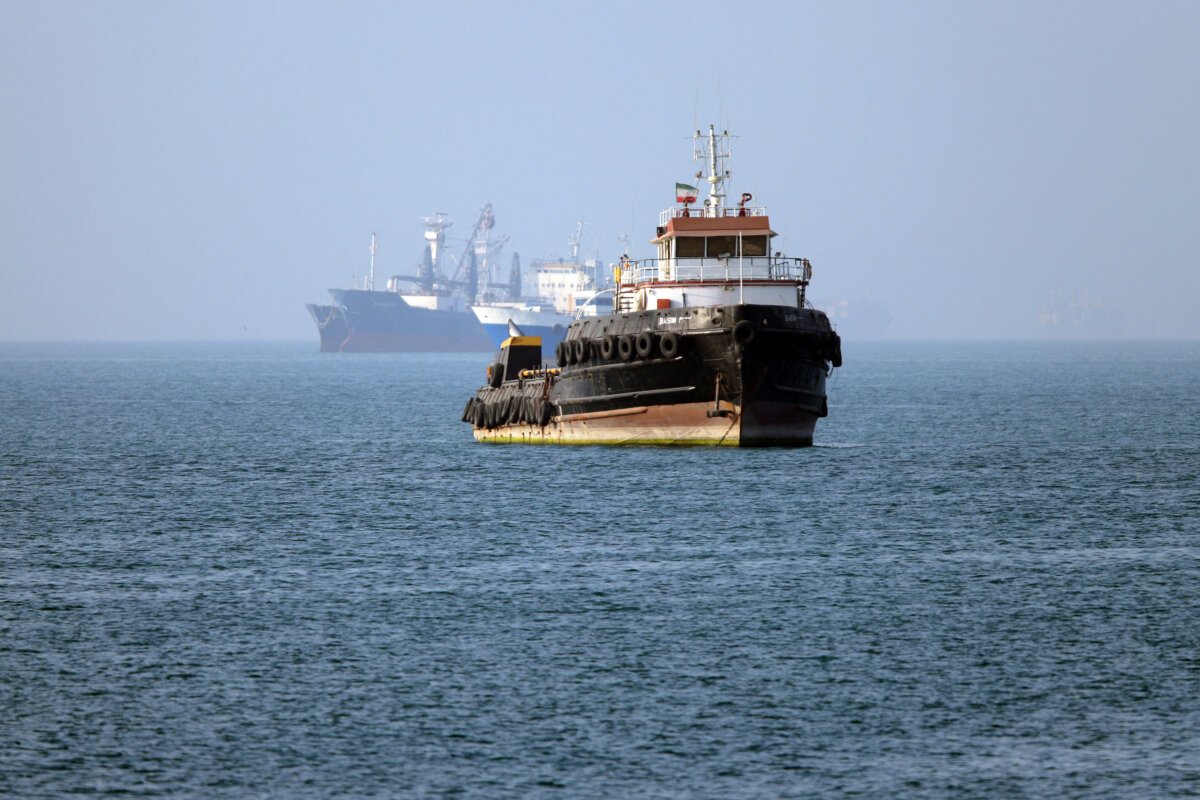
During negotiations, Washington has called for Tehran to dismantle its nuclear program and stop trying to control the Strait of Hormuz, the strategic waterway for global oil shipments.
Iran has demanded compensation for war damage, an end to a U.S. blockade of Iranian ports, and a halt to fighting on all fronts, including in Lebanon, where Israel is battling the Iran-backed Hezbollah terrorist group.
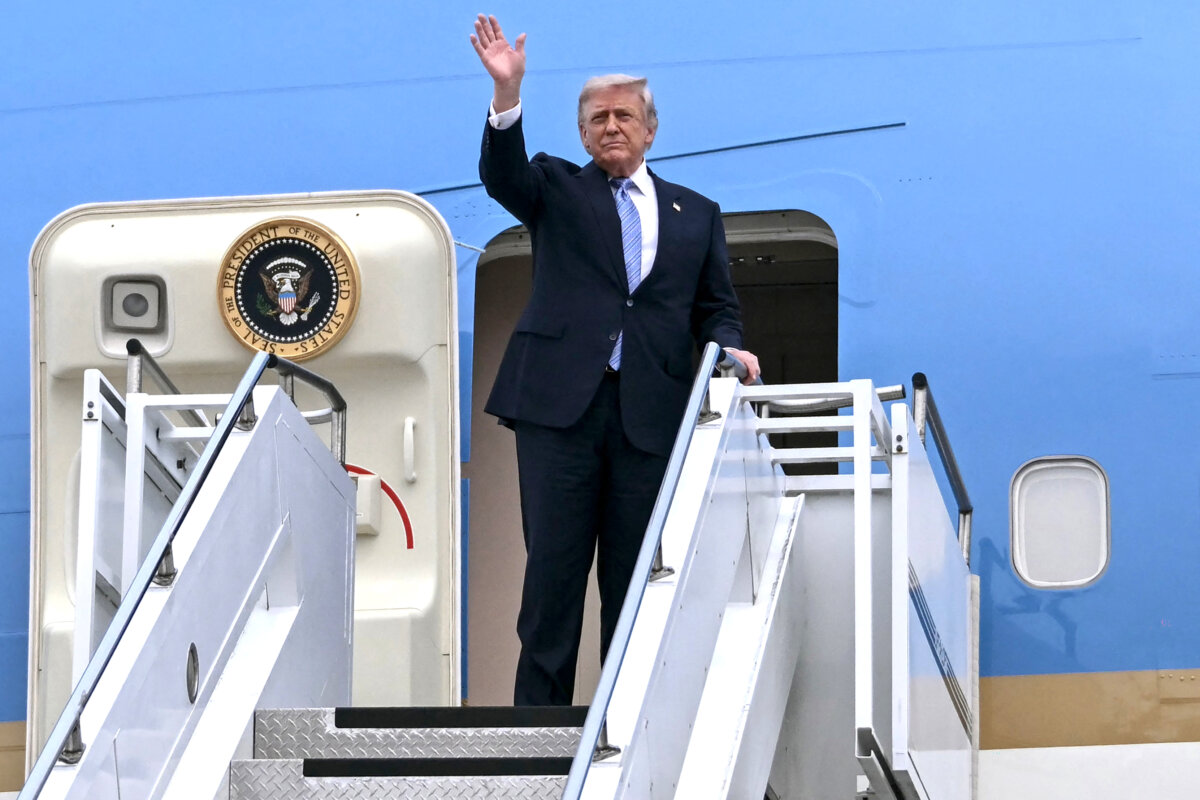
Last week, Trump said he was advising Tehran to make a deal, saying he is losing patience with Iran.
“I’m not going to be much more patient,” he said in an interview that aired on May 14 on Fox News’ “Hannity” program.
“They should make a deal. Any sane person would make a deal. But they might be crazy.”
The president also suggested that delays in communication were due to instability in Tehran’s political structure.
“They make a deal, and then the next day, like we waited five days for a letter that should have been there in one hour,” Trump said. “I said, ‘Where is the letter?’ They are having a lot of turmoil.”
Before the ceasefire was announced last month, Trump warned that he would strike Iranian bridges and power plants if the country did not come to an agreement with the United States.
The disruption to shipping through the Strait of Hormuz has caused one of the biggest oil supply crises in history, pushing up prices. The U.S. military has imposed a blockade on Iranian ports and stated that, as of May 17, it had redirected 81 commercial vessels and disabled four vessels to ensure compliance.
The Associated Press and Jack Phillips contributed to this report.
 Friends Read Free
Copy
Facebook
Tweet
Friends Read Free
Copy
Facebook
Tweet