
Iran has been mired in an internet blackout since the U.S. and Israeli militaries started airstrikes in the country late last month, according to a monitoring group in an update on Wednesday.
“The internet blackout in Iran has now entered its 26th day after passing the 600 hour mark,” said NetBlocks in a post on X. “The measure leaves civilians cut off from international networks, violating their right to access information in times of war.”
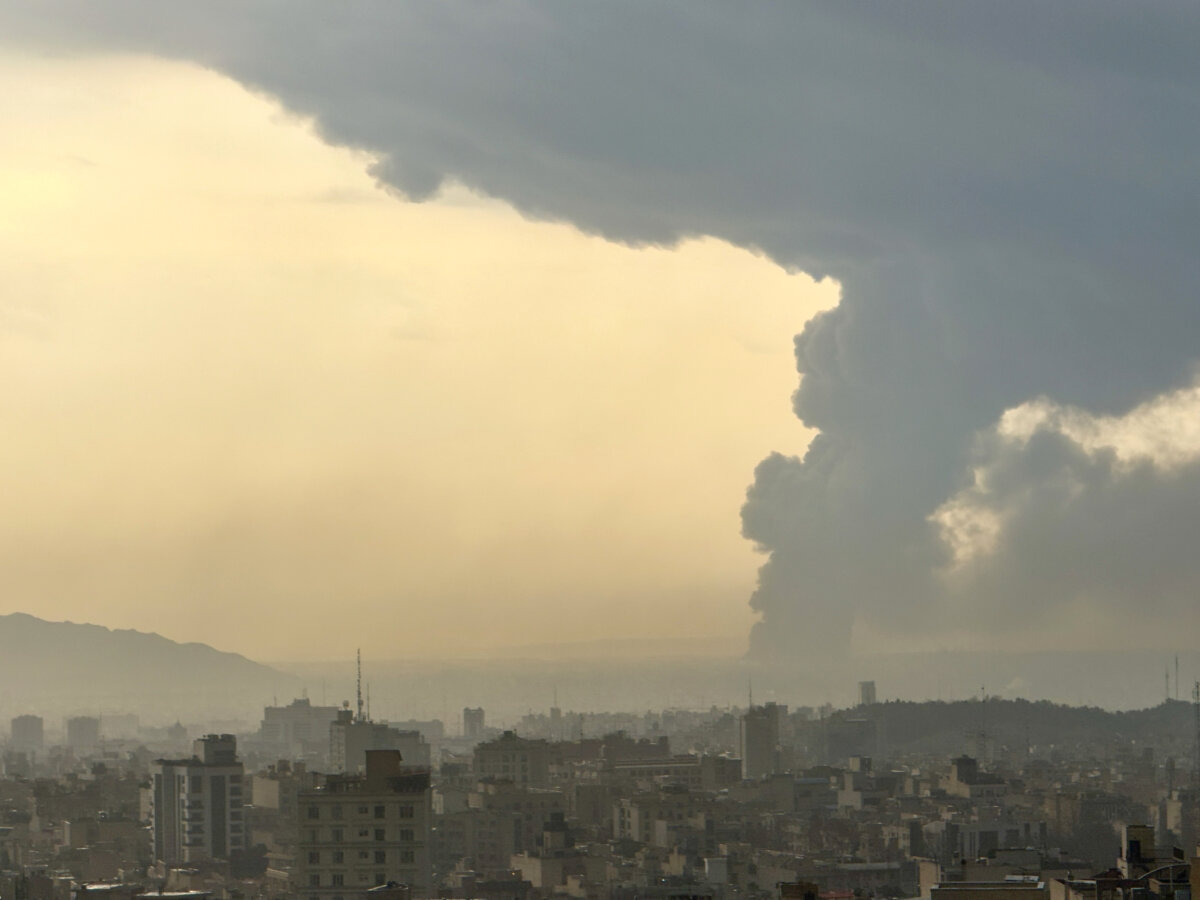
Starting on Feb. 28, U.S.–Israeli strikes have targeted major Iranian cities, including the capital of Tehran, along with significant amounts of military assets. Iran has responded by firing missiles and explosive drones at neighboring Gulf nations and Israel.
During a CBS News interview earlier this month, Iranian Foreign Minister Abbas Araghchi confirmed the internet was taken offline, saying that the officials of the Islamic regime such as himself can speak on behalf of Iranians. He explained that security reasons were why it was taken down.
When asked about why ordinary people lack access but Iranian officials can access the internet, Araghchi told CBS through Zoom that it’s “because I’m the voice of Iranians, and I have to defend their right.”
“So this is why I have access to internet to just have our voice being heard by the international community. But internet is closed because of the security reasons, because we are under attack, we are under aggression, and we have to do everything to protect our people,” he added. “In any country, there are urgent measures taken for this, for the sake of war.”
Over the past several weeks, several state-run Iranian media outlets and government websites have been difficult to access or have been taken offline for periods of time amid the war, according to a review from The Epoch Times. For example, state-run news website IRNA is currently down as of Wednesday, making it difficult to access statements or information released by the regime about the conflict.
A weeks-long blackout was reported in Iran during widespread protests against the regime in January, suggesting that the country would employ similar tactics in future crises. Human rights groups such as Human Rights Watch say that the blackouts make it more difficult for civilians to access information about the war.
“Iranian authorities have a track record of imposing internet disruptions and shutdowns during times of conflict and crisis, including during protests, to restrict access to information, conceal atrocities they commit, and obstruct independent documentation of violations,” the group said earlier this month.
It added that as the blackout was initiated after protests erupted on Jan. 8, Iran allegedly “massacred thousands of protesters and bystanders across the country within the span of two days.” The country also shut down internet access during U.S.–Israeli airstrikes against its controversial nuclear program last year, Human Rights Watch said.
The update comes as Iran’s foreign ministry spokesperson, Esmail Beghaei, told an Indian television station on Wednesday that nuclear talks between Tehran and the United States aren’t happening, disputing comments from President Donald Trump a day earlier when he said that the country had agreed to stop its nuclear plans.
There are “no talks or negotiations between Iran and the United States,” Beghaei said.
Despite those denials, markets have taken an optimistic turn, with the global oil benchmark falling below $100 a barrel in early trading on March 25.
Reuters contributed to this report.
 Friends Read Free
Copy
Facebook
Tweet
Friends Read Free
Copy
Facebook
Tweet