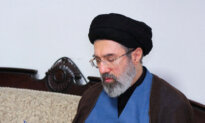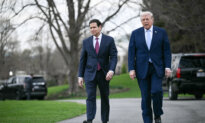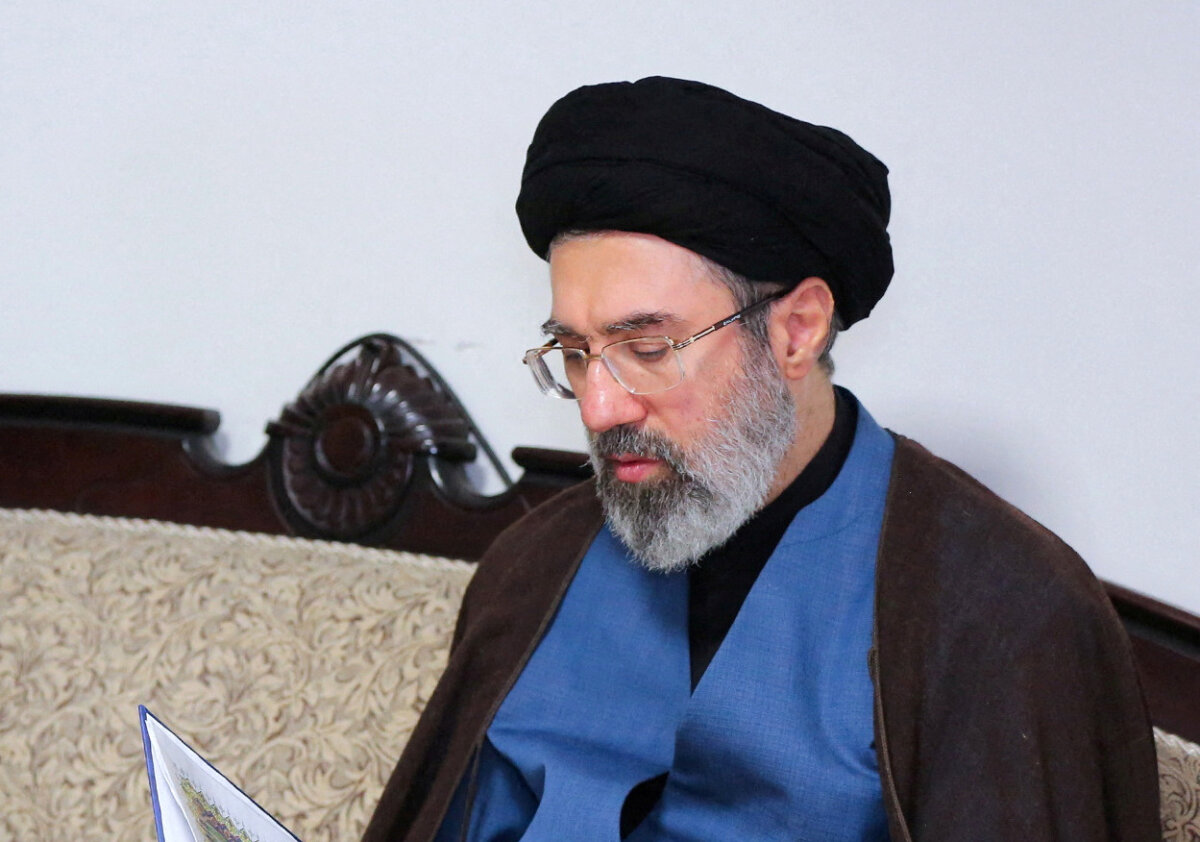

U.S. President Donald Trump said on March 12 that he believes Iran’s new supreme leader, Mojtaba Khamenei, may still be “alive in some form,” despite not appearing publicly since taking over from his father, Ayatollah Ali Khamenei, who was killed in U.S.-Israeli strikes on Feb. 28.
“I think he probably is [alive]. I think he is damaged, but I think he’s probably alive in some form, you know,” Trump said during an interview with Fox News’ “Brian Kilmeade Show.”
Mojtaba Khamenei made his first official statement as Iran’s supreme leader on March 12, in which he vowed continued retaliation against the United States and Israel for Iranians killed in the conflict.
“I assure everyone that we will not refrain from avenging the blood of our martyrs,” the Iranian leader said, warning Gulf nations to shut down military bases on their territories that are used by U.S. forces. The statement was not delivered by Mojtaba Khamenei himself but was read by another person on his behalf during a televised broadcast.
Mojtaba Khamenei was formally chosen to succeed his father on March 8 by Iran’s Assembly of Experts, but has not appeared in public since.
A senior Israeli security official told Epoch Magazine on March 11 that Israel received indications that Mojtaba Khamenei may have suffered a leg injury during strikes targeting his father’s bunker, though the severity of the injury remains unclear.
Iran’s ambassador to Tunisia, Mir Masoud Hosseinian, told The Associated Press on March 12 that Mojtaba Khamenei was wounded in the attack on his family’s home, but “it is not serious.”
Hosseinian said Iran’s strikes on Gulf nations have been strategic. “Even when we targeted hotels, we had precise information that they were hosting American and Israeli soldiers,” he said.
In his March 12 statement, Mojtaba Khamenei said, “The lever of closing the Strait of Hormuz must certainly continue to be used as well,” adding that Iranian officials have also assessed the possibility of opening other fronts in which the enemy “would be highly vulnerable.”
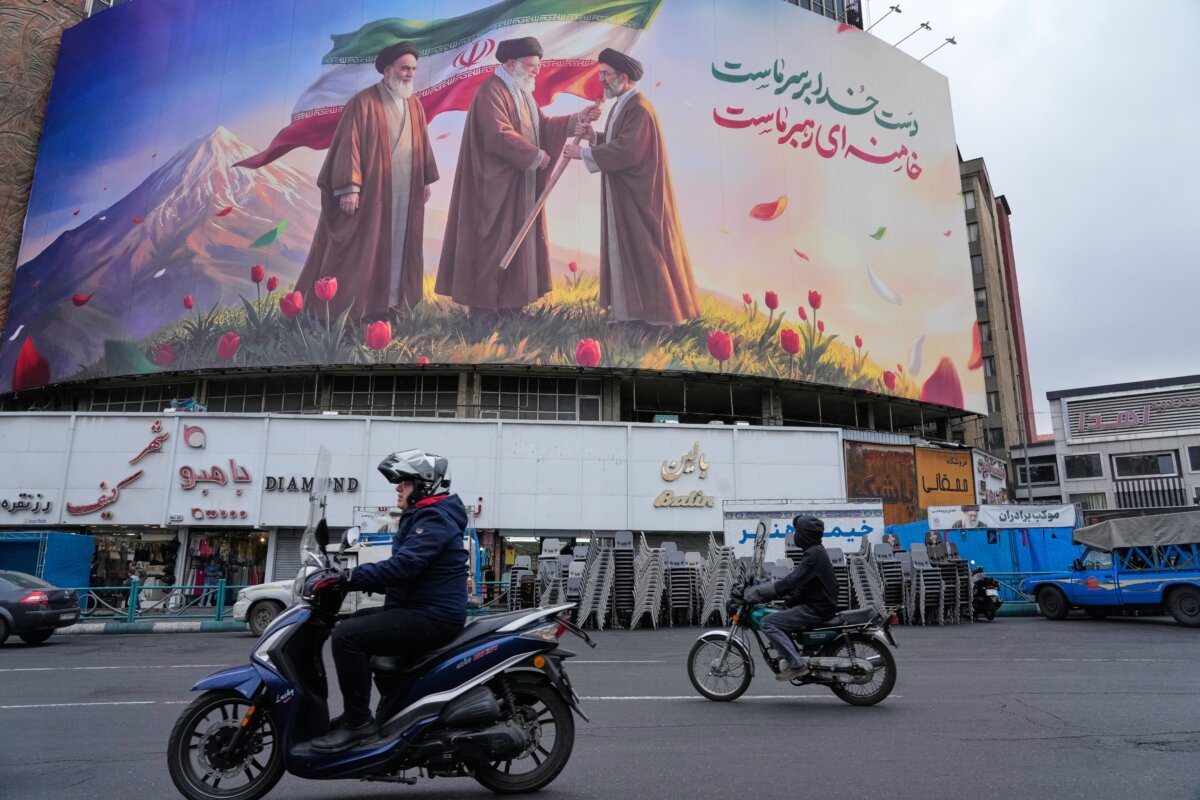
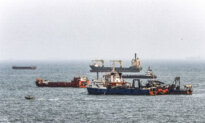
The escalating conflict in the Middle East has caused many tankers to stop transiting the Strait of Hormuz, a vital maritime chokepoint for global oil and gas shipments, driving up oil prices.
To ease surging oil prices, members of the International Energy Agency (IEA) agreed on March 11 to release 400 million barrels of oil from reserves, the largest withdrawal on record.
When asked about Iran’s threat during the interview, Trump said that U.S. forces are striking Iranian military targets “harder than anybody’s been hit since World War II.”
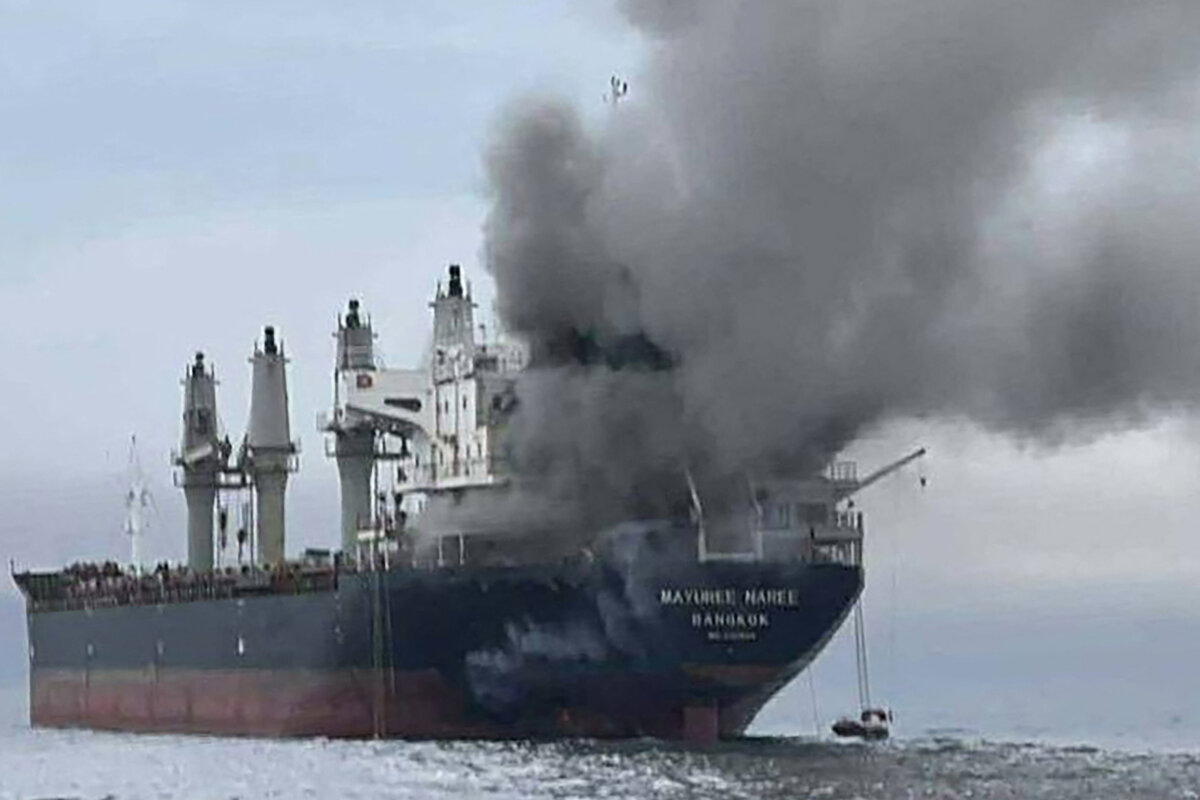
“We’ve knocked out most of their missiles. We’ve knocked out many of their drones. We knocked out a lot of the manufacturing areas where they manufacture the missiles and now the drones,” the president said.
Trump said in a March 12 social media post that ensuring Iran does not develop a nuclear weapon was a higher priority than soaring oil prices.
Hours later, Israeli Prime Minister Benjamin Netanyahu announced Israeli attacks had killed a top Iranian nuclear scientist and hit others, but gave few details. Israel said earlier it had struck a nuclear facility in Iran in recent days that it had destroyed with an airstrike in October 2024.
Attacks on Gulf states continued on March 13 with Saudi Arabia’s defense ministry saying its air defenses downed more than three dozen drones headed toward the kingdom’s Eastern Province over the span of a few hours.
Ryan Morgan and The Associated Press contributed to this report.
 Friends Read Free
Copy
Facebook
Tweet
Friends Read Free
Copy
Facebook
Tweet