
Tokyo on Jan. 7 said Beijing’s ban on dual-use exports targeting Japan is unacceptable, amid increasing tensions between the two major Asian economies.
The Chinese communist regime on Jan. 6 announced that it would ban the export of dual-use items to Japan, which are goods, software, or technologies that have both civilian and military applications.
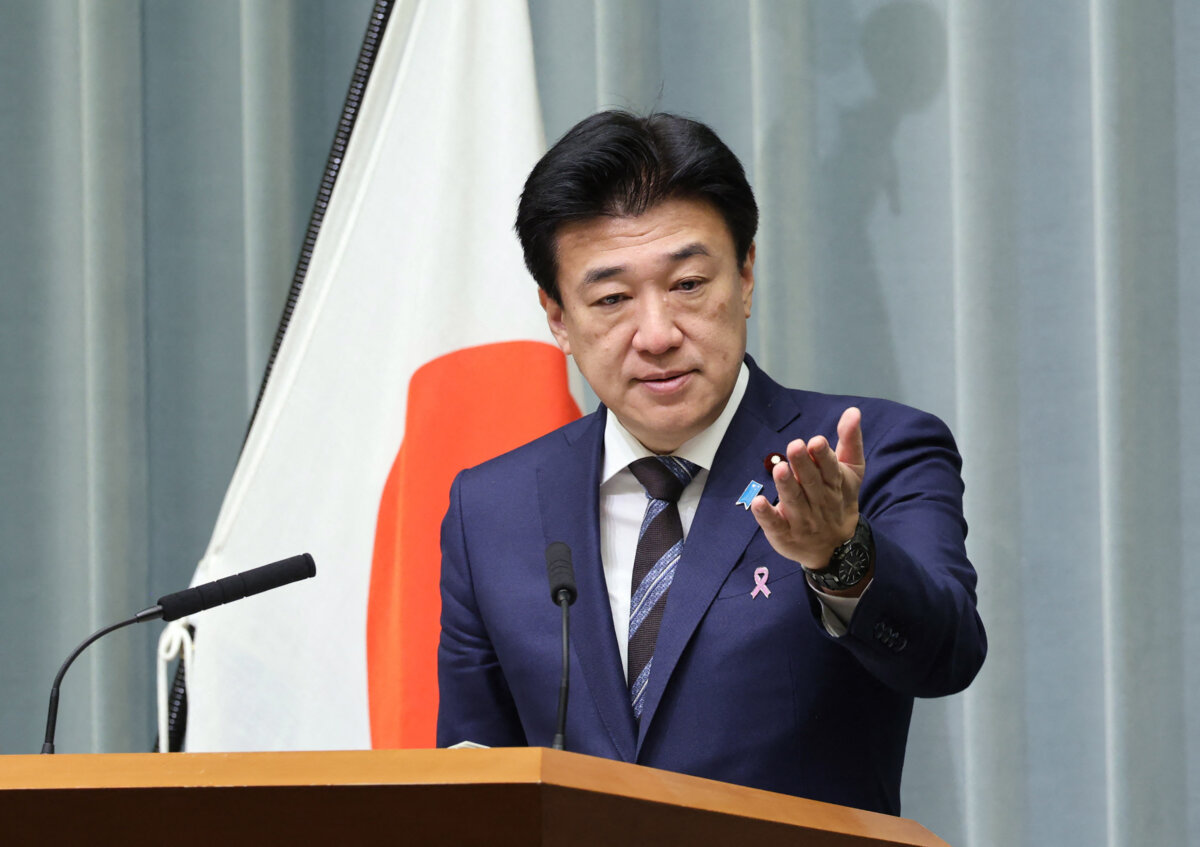
“A measure such as this, targeting only our country, differs significantly from international practice, is absolutely unacceptable and deeply regrettable,” Japanese Chief Cabinet Secretary Minoru Kihara said during a daily news conference.
Kihara declined to comment on the effect this ban could have on Japanese industry, saying it was still unclear what products would be under export controls.
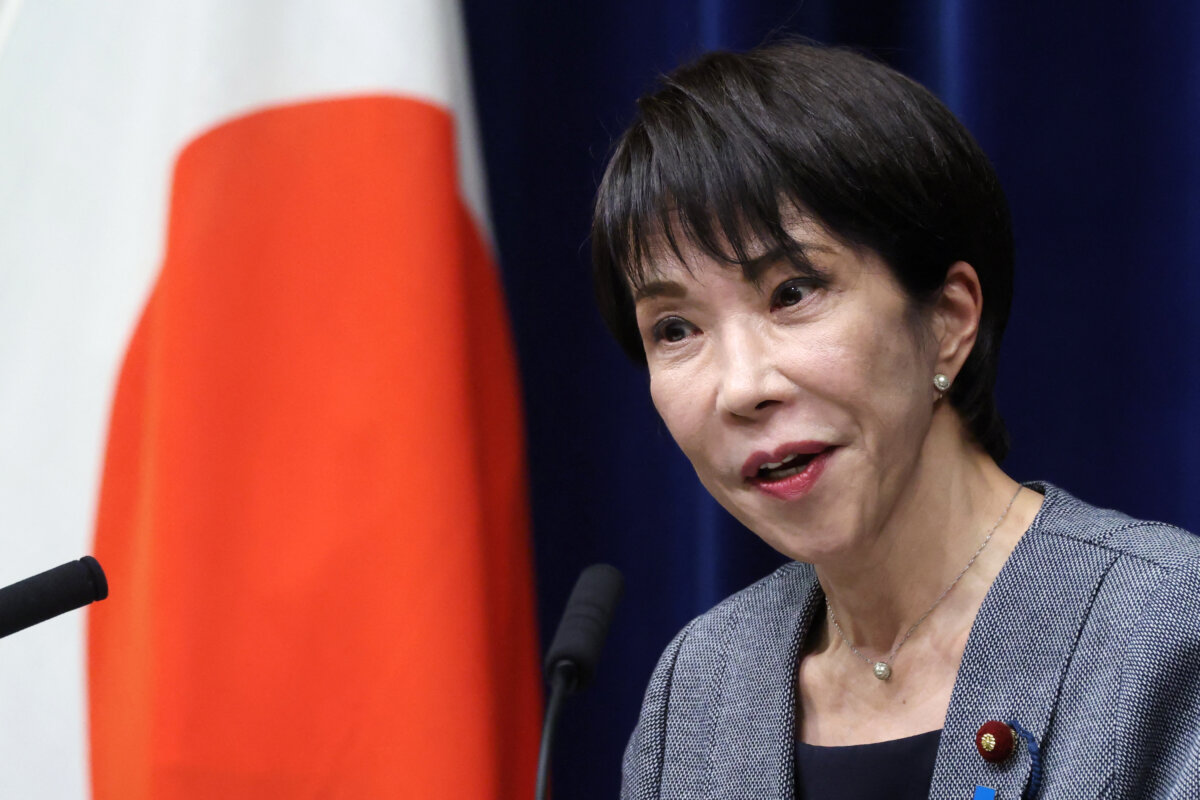
The ban is Beijing’s latest attempt to put pressure on Tokyo, after Japanese Prime Minister Sanae Takaichi said in November that an attack on Taiwan would be deemed an existential threat to her country.
Beijing considers the democratic, self-governing nation of Taiwan its own territory, and the communist regime has not ruled out taking control of the island by force. Taipei rejects Beijing’s territorial claim.
China has demanded that Takaichi retract her comments, which she has not done.
When asked about the export curbs during a Jan. 7 press briefing, China’s foreign ministry spokesperson, Mao Ning, reiterated the regime’s objection to Takaichi’s Taiwan comments, and again called for a retraction.
Like most countries, Japan does not have formal ties with Taiwan, but it has frequently stressed the importance of peace and stability in the Taiwan Strait, the waterway that separates the island from China. Japan’s westernmost point, Yonaguni, is about 68 miles from Taiwan’s coastline.
Dual-Use Exports Ban
According to Beijing’s Ministry of Commerce, domestic and overseas exporters are prohibited from selling dual-use products originating in China to Japan, effective immediately.
The ban applies to “Japanese military users, military purposes, and all other end-user purposes that could help enhance Japan’s military capability,” the ministry said.
Beijing has already tightened export controls for rare earths and critical materials.
China is the world’s leading supplier of dozens of strategic minerals and has a near monopoly on rare earths, which are metallic elements used in a range of civilian and military applications, including smartphones, electronic vehicles, jets, and submarines.
On Oct. 9, Beijing announced a plan to expand export controls on rare earths, requiring that items containing more than 0.1 percent rare-earth elements sourced from China obtain dual-use export licenses.
The rule, targeting all of Beijing’s trading partners, was paused for one year under a deal reached between U.S. President Donald Trump and Chinese leader Xi Jinping on Oct. 30.
Regime Pressures Japan
In response to Takaichi’s comments on Taiwan in 2025, the Chinese Communist Party escalated the diplomatic spat on Nov. 14 by cautioning Chinese nationals against traveling to Japan.
Tensions were further heightened on Dec. 6 when two Chinese J-15 fighter jets allegedly locked radar on Japanese F-15s in international airspace near Okinawa, prompting Tokyo to lodge a formal protest against China.
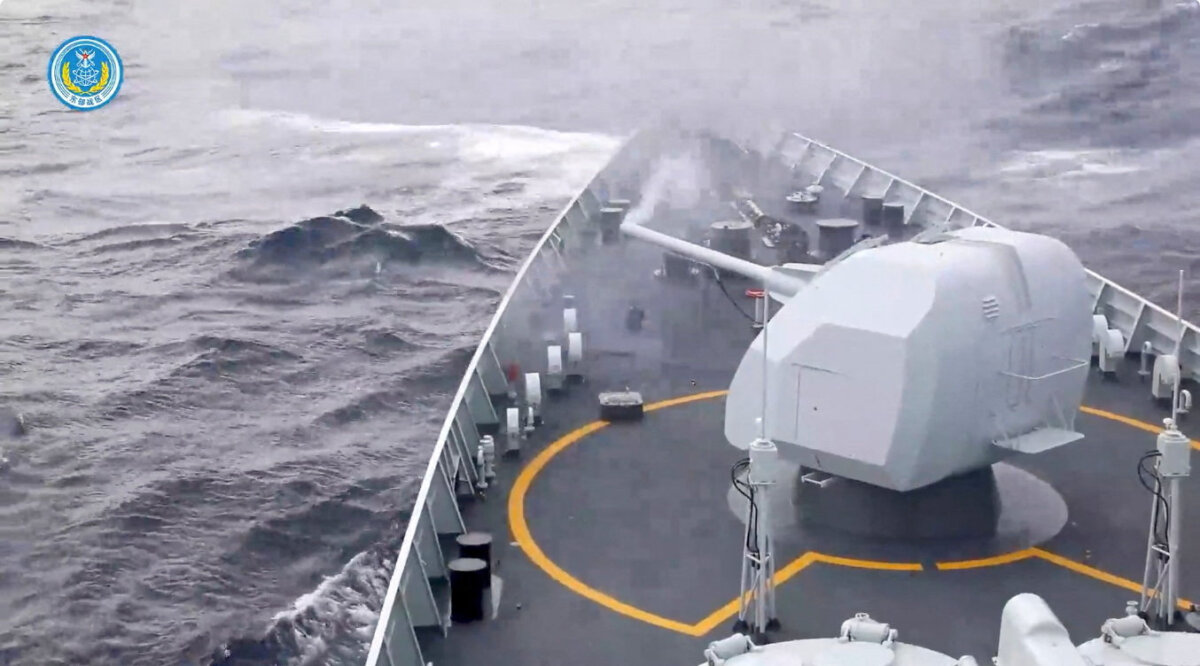
After the Chinese military staged live-fire drills around Taiwan on Dec. 29 and 30, Tokyo raised concerns with Beijing.
Toshihiro Kitamura, a press secretary for Japan’s Ministry of Foreign Affairs, said in a statement on Jan. 1 that the exercises “constitute actions that increase tensions across the Taiwan Strait, and the Government of Japan has conveyed its concerns to the Chinese side.”
Kitamura added that Japan’s long-standing position is to seek a peaceful resolution of the Taiwan issue through dialogue and that stability and peace in the Taiwan Strait are “important for the international community as a whole.”
Reuters and Dorothy Li contributed to this report.
 Friends Read Free
Copy
Facebook
Tweet
Friends Read Free
Copy
Facebook
Tweet