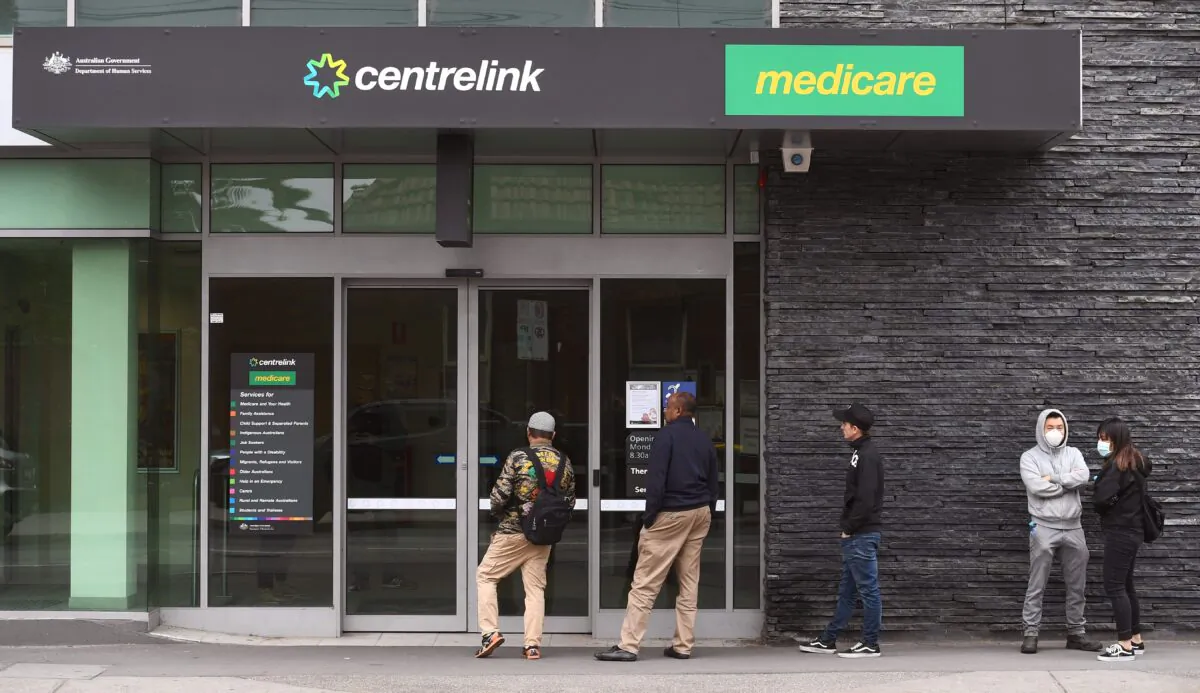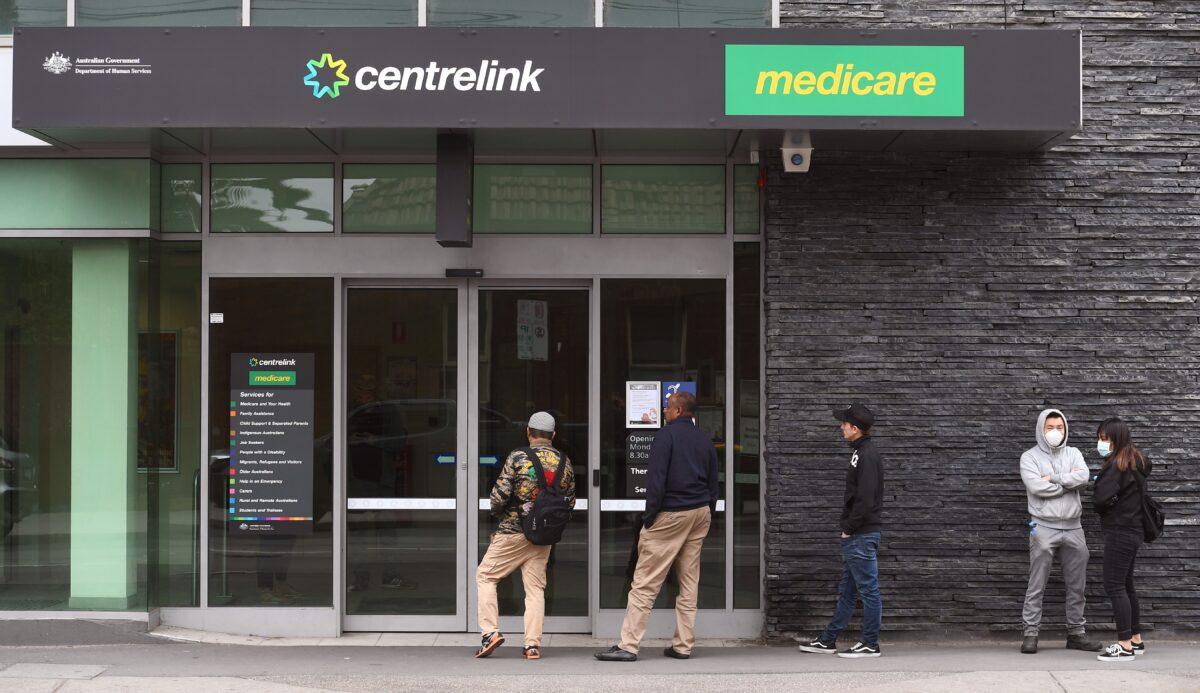

Australia’s unemployment rate rose for the first time in 2025, lifting to 4.3 percent in June, as the number of people without work climbed by 34,000, according to new figures from the Australian Bureau of Statistics.
This marks the first hike in 2025, ending a six-month pause at 4.1 percent, and reaching its highest point since the pandemic.
The unexpected uptick in joblessness could strengthen the case for a potential interest rate cut when the Reserve Bank of Australia next meets.
The labour force saw only modest growth last month, with just 2,000 new jobs added—insufficient to offset the rise in unemployment.
Full-time employment dropped by 38,000, though this was partially balanced by an increase of 40,000 part-time roles.
The employment-to-population ratio remained steady at 64.2 percent, while the participation rate ticked up slightly to 67.1 percent.
Hours worked across the economy fell 0.9 percent in June, after a 1.4 percent increase in May.
“There was a 1.3 percent decline in full-time hours worked, associated with a 0.4 percent drop in full-time employees,” said ABS head of labour statistics Sean Crick.
At its July 8 meeting, the RBA held the cash rate at 3.85 percent, citing the need for more data to confirm that inflation is easing towards its 2.5 percent target amid mixed domestic indicators and global economic uncertainty.
Underemployment and Underutilisation On the Rise
June also saw a slight increase in underemployment, which rose to 6 percent. The broader underutilisation rate, combining both unemployment and underemployment, jumped by 0.3 percentage points to 10.3 percent.
Trend data showed the unemployment rate rising to 4.2 percent, up from 4.1 percent over the past three months.
While monthly employment grew by 23,000 in trend terms, hours worked have consistently lagged behind jobs growth since the start of the year.
Structural Challenges for Low-Skilled and Long-Term Jobseekers
A deeper look into the labour market reveals long-term concerns for low-skilled workers, according to the “Faces of Unemployment 2024” report by the Australian Council of Social Service (ACOSS).
Since interest rate hikes began in 2022, employment in the lowest skill level grew only 1.9 percent—far below the 7.8 percent rise overall.
Entry-level job vacancies also plummeted 39 percent.
ACOSS CEO Cassandra Goldie criticised the federal government’s employment support system, Workforce Australia, for failing to deliver the employment outcomes that many job seekers are looking for.
“Only 11 percent of participants are finding jobs that sustain them off income support for six months,” she said.
“We’re facing a mismatch in the labour market, with too few entry-level roles available for those who need them most.”
‘Chalmernomics’
Michael Webster, director of the Norfolk Advisory, said the treasurer would continue to blame the “economic uncertainty and volatility around the world.”
“What will Chalmers do when Australia can no longer afford that excuse? Will he go back to blaming the previous government? Chalmernomics,” Webster wrote on LinkedIn.
“More than 34,000 jobs were lost in the Australian economy in June, pushing the unemployment rate up to 4.3 per cent—its highest level since 2021—raising concerns for the Albanese government and pushing the Reserve Bank closer to another interest rate cut.
“In a surprise for economists, only 2,000 new jobs were added to the economy, well below expectations of 20,000.”
 Friends Read Free
Copy
Facebook
Tweet
Friends Read Free
Copy
Facebook
Tweet