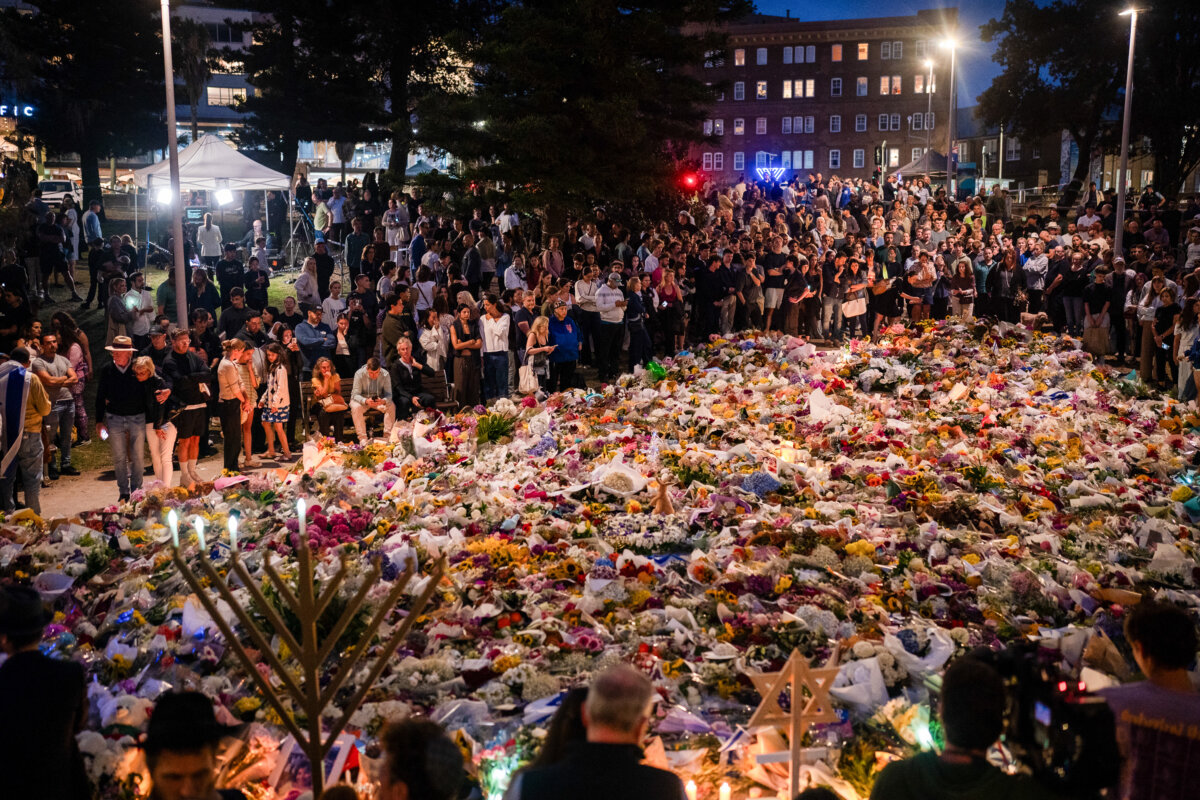


Authorities and the government face scrutiny as more evidence emerges that the younger of the two men responsible for the mass terrorist shooting in Bondi had contact with a Sydney ISIS cell and radical jihadist preacher Wissam Haddad.
Naveed Akram, who interacted with Haddad when he was 17, was not on any terror watchlist when he and his late father, Sajid Akram—shot by police during the incident on Dec. 14—was able to obtain a firearms licence and amass a cache of six weapons including rifles.
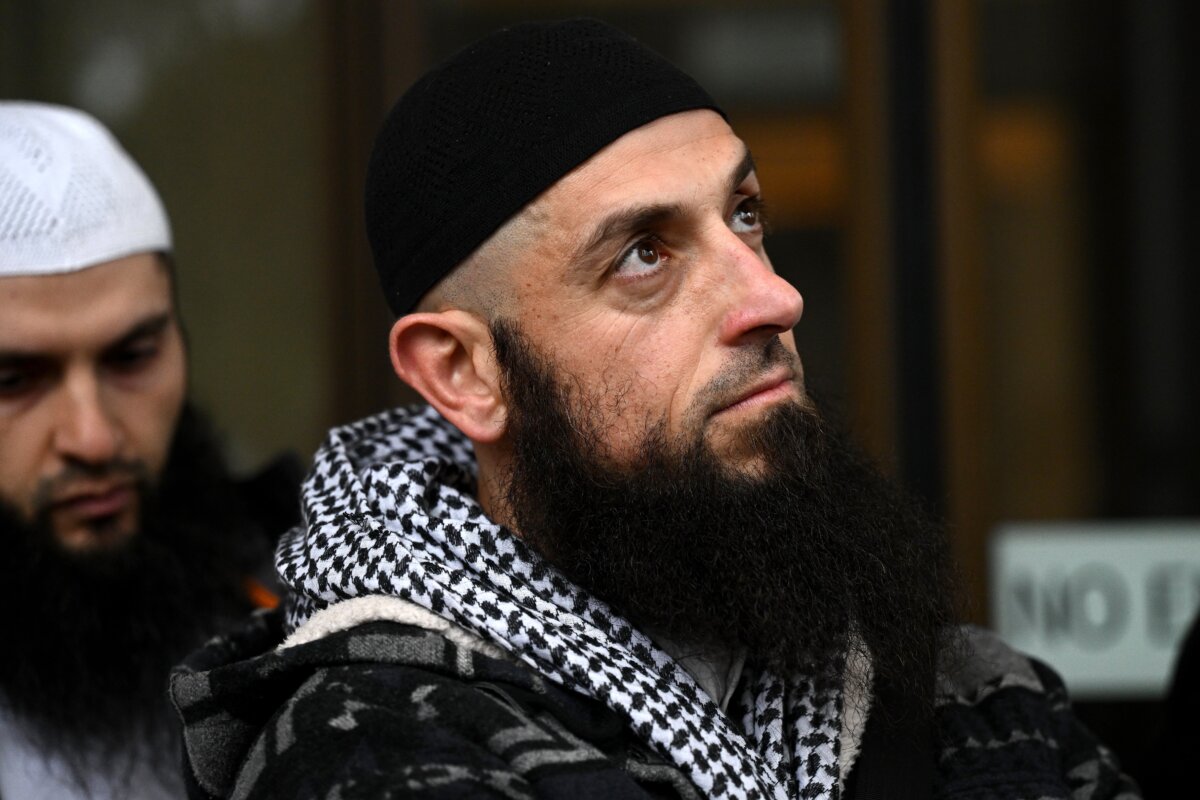
Haddad has a long history of inciting young men with anti-Semitic rhetoric.
In July, he was found guilty of breaching Australia’s anti-racism laws during a lecture at the Al Madina Dawah Centre, where he called Jewish people in the seventh century “mischievous” and “treacherous.”
Haddad did not deny making the statements but told the Federal Court he believed he did not breach any law because he was delivering historical and religious lectures. On social media, he described the trial as “a battle between Islam and kuffar (unbelievers).”
Senior counter terrorism officials say the alleged shooter Naveed was also known to associate with Isaac El Matari, who, in 2021, admitted to being a member of the ISIS and pleaded guilty in the NSW Supreme Court to two charges: planning terrorist attacks on Australian soil, and preparing to engage in foreign fighting with the terrorist group in Afghanistan.
Did Australia’s Security Safety Net Fail?
During an interview with the ABC’s 7.30 Report, Prime Minister Anthony Albanese said the Australian Security and Intelligence Organisation (ASIO) had acted appropriately.
“They examined this person [Naveed] in 2019, they interviewed his family members as well as others, and that is how this works. If someone is found to be an issue, they go through everyone who’s associated, then go through the relatives of the people who are associated, and try to spread the net out to identify risks that are there,” he said.
“ASIO did that at the time and found that there wasn’t evidence of radicalisation. Now, quite clearly, when that occurred is not clear and obviously not known to us,” he said.
Security experts are questioning whether the current processes are enough.
Radicalisation Process Not Predictable: Former AFP
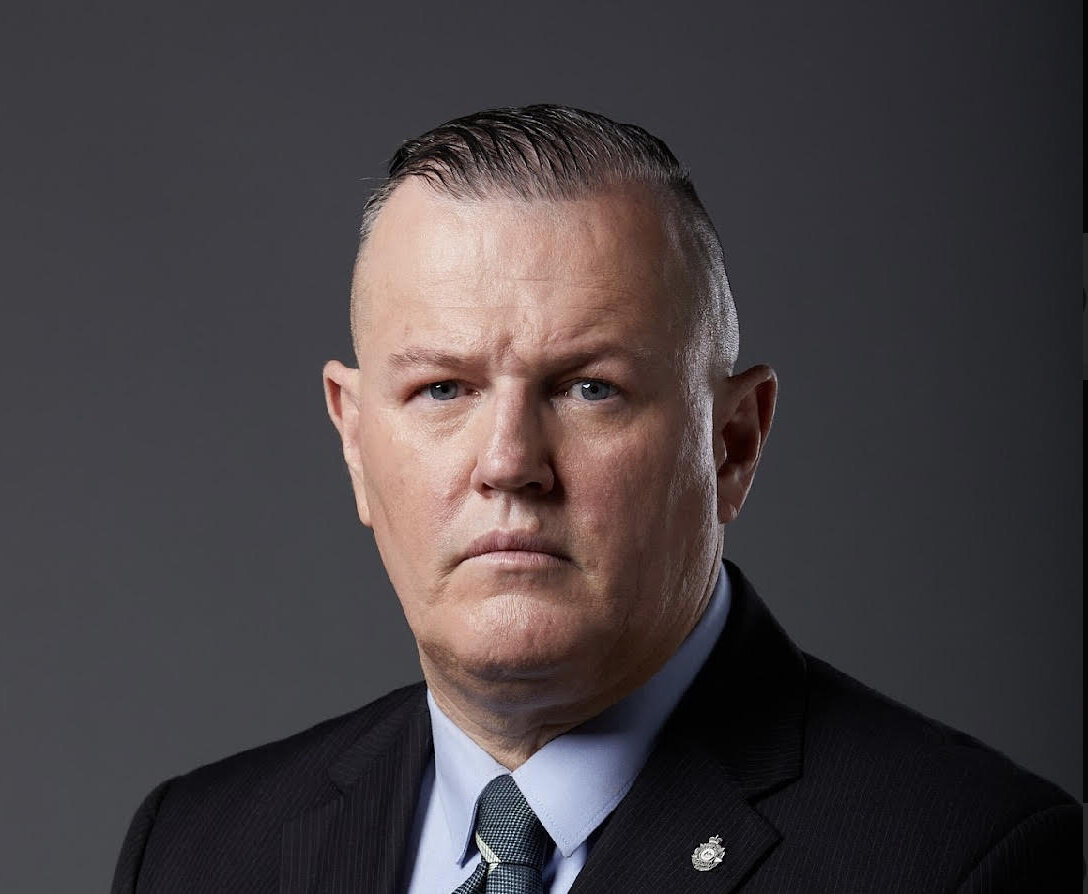
Paul Johnstone, a former agent with the Australian Federal Police (AFP) who has trained police and special operations units worldwide, says terrorists “do not follow a straight or predictable path from grievance to violence,” and it was “not surprising Akram wasn’t being monitored.”
Johnstone witnessed acts of terrorism firsthand while serving on the diplomatic security team at the Australian Embassy in Afghanistan.
“ASIO investigates thousands of individuals who display extremist indicators; most never progress to violence,” he told The Epoch Times.
“Six years ago, Akram may not have met the threshold for continuous surveillance or intervention, especially if his activity diminished or evidence was weak. Intelligence agencies must constantly triage finite resources toward the most imminent threats.”
“However, the Bondi attack highlights the limits of this model: radicalisation can be non-linear, and individuals can re-emerge years later,” Johnstone said.
People of interest can shift between phases of extremism, disengagement, and re-engagement, influenced by the online content they consume and the communities they engage with.
“In cases like the Bondi attack, individuals may appear inactive or low-risk for years before rapidly escalating. This makes detection difficult, as radical beliefs can resurface suddenly without consistent behavioural warning signs,” he said, especially with the pandemic lockdown years forcing people to spend more time online.
Johnstone says the Bondi attack reinforces the need for better long-term risk monitoring and community-based prevention strategies.
‘Failure of the System’: Think Tank
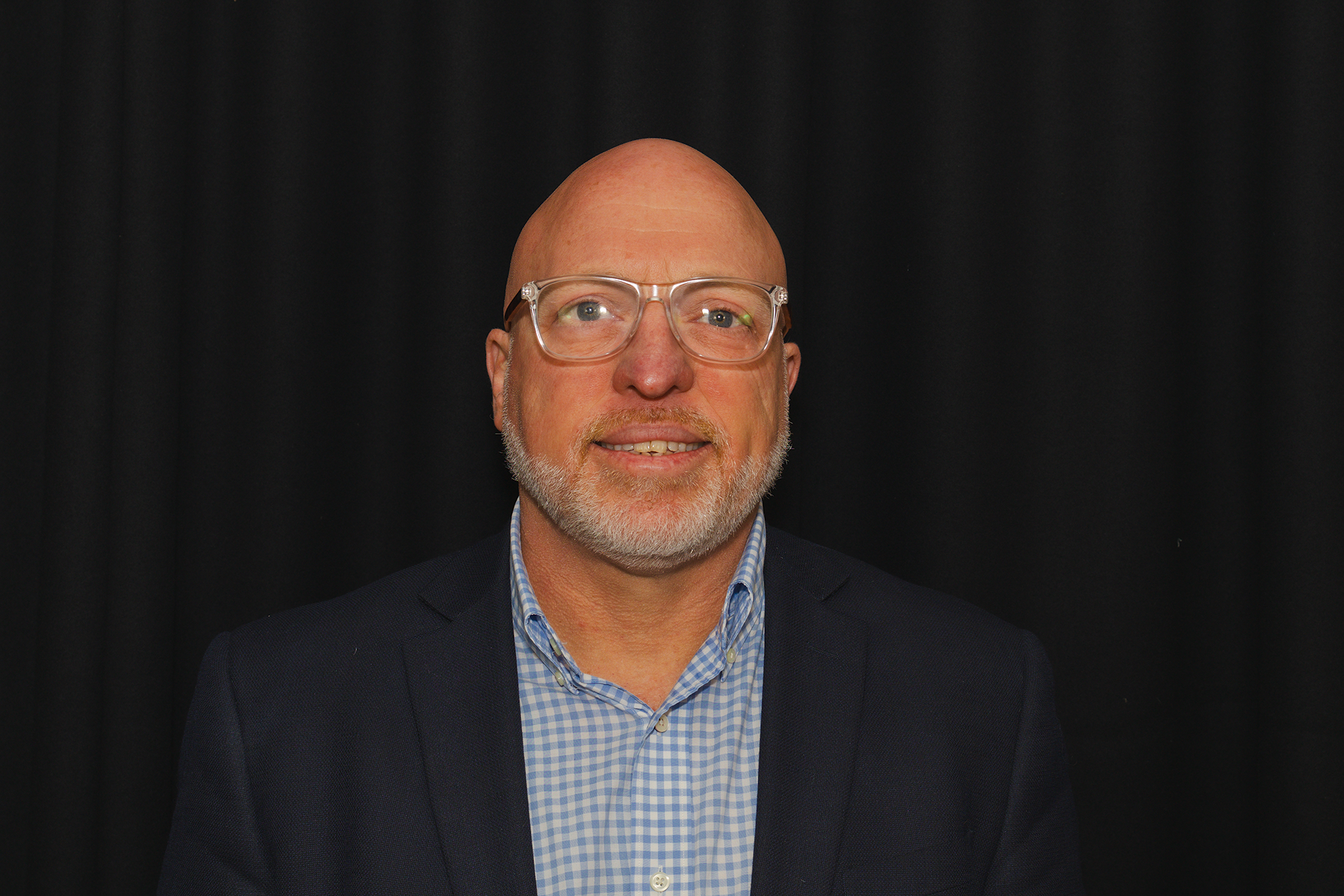
Meanwhile, John Coyne, former AFP intelligence coordinator and now-director at the Australian Strategic Policy Institute, says that permitting the elder Akram to hold a firearms licence when his son had links to known IS figures was “a failure of the system.”
He called for a royal commission into not just Bondi and the events that led to it, but also into the “increased anti-Semitism, the hate speech, the ideologically driven crimes that have been excused as freedom of expression” in the past 18 months.
But he also cautions political, media, and community leaders against framing the Bondi massacre as proof that Australia has changed or that the system has failed because “such narratives grant the attackers disproportionate strategic impact.”
Coyne says that, beyond the frameworks used by the security services to assess threats, Australians must re-evaluate their assumptions that “the terror years were behind us” now that ISIS and al-Qaeda are no longer at their height.
“Over time, the absence of large-scale attacks has fostered an impression for some that the risk has dissipated rather than evolved. In that environment, counterterrorism laws increasingly came to be viewed … not as risk-management tools, but as constraints—excessive, outdated or no longer proportionate,” he said.
Resourcing a Major Issue: Former Soldier
Tony Loughran, a former British elite soldier and now Sydney-based security consultant, told Channel 9’s Today programme that Australia has been “under-resourced as far as counter-terrorism is concerned for quite some time.”
“And police in particular, we just don’t have the manpower … to keep it going. That’s [the] problem [that] exists.”
Intelligence sharing between law enforcement agencies is also vital for identifying potential terrorists and halting attacks, Loughran said.
“Look at what we did many years ago, where the police worked very, very closely with the security community … the security groups that we’ve actually got out there and that’s sharing of intelligence as well, because that is key.”
‘It Almost Happened Here’: Canadian Expert
In July 2024, Canadian Police were able to foil a planned terrorist attack by a father and son—62-year-old Ahmed Eldidi and 26-year-old Mostafa Eldidi—which was in the “advanced stages” as a result of a public tip-off.
They were charged with conspiracy to commit murder on behalf of the Islamic State of Iraq and Levant (ISIL).
Their intended target has not been publicly identified, but security expert and former Canadian Security Intelligence Service (CSIS) analyst John Gilmour told CTV that there is “speculation that it was going to be a targeted attack against the Jewish community. It almost happened here.”
Asked what lessons could be learned from Bondi, Gilmour said, “Law enforcement, prosecutors and the government have to be more forthright in targeting individuals, whether they are on social media or whether they have a microphone at a public gathering, inciting people to kill Jews. It’s only a toxic outcome if you repeat that sort of narrative and nothing is done about it.”
What More Could be Done?
Meanwhile, former AFP officer Johnstone said it was very difficult to predict “lone-wolf”-style incidents.
“They often involve individuals acting in isolation, with no direct communication, planning networks, or detectable operational signals. Without credible intelligence, warning indicators, or links to known extremist groups, security agencies have little actionable information to identify or disrupt such attacks in advance,” he said.
However, in terms of what could be actioned, he said Australia could consider the UK’s Armed Response Vehicles where heavily armed officers patrol high traffic areas.
Another, model is to educate the public in “counter-terror awareness” not aimed at turning “civilians into fighters, but to make them harder targets.”
This would include recognising potential dangers early, learning rapid decision-making, moving to safer ground, and improvising ways to protect themselves.
Failures With Assimilation
Yet Johnstone did say Australia was contending with deeper issues around assimilation and conflicting belief systems in its major cities.
“Australia’s multicultural model is built on shared civic values but when individuals or sub-cultures reject these norms—whether due to extremist ideology, isolation, or imported grievances—social cohesion weakens,” Johnstone said.
“Failure to address radicalisation, parallel communities, and value-based integration leaves open spaces where violence, grievance, and extremist narratives can take root.
“Unfortunately too many governments have allowed enclaves of cultures to spread within our capital cities, and there are in some cases, zero interaction between cultures and the Australian way of life.”
Johnstone said governments would have to focus on changing its migration settings while putting an end to radical ideologies locally.
 Friends Read Free
Copy
Facebook
Tweet
Friends Read Free
Copy
Facebook
Tweet