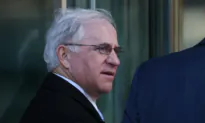

Federal Health Minister Mark Butler has unveiled a $3 billion funding injection for Australia’s aged care system, framed as a push for “intergenerational equity.”
Announcing alongside major National Disability Insurance Scheme (NDIS) reforms on April 22, the package is aimed at dealing with a demographic time bomb.
However, the reforms have immediately drawn from policy analysts who warn the plan is a “cost-shifting” manoeuvre that will burden state hospital systems.
Butler said the number of Australians aged 80 and over was growing, claiming a new aged care home would need to open every three days over the next 20 years to cater to demand—though the minister did not make clear the reasoning behind that number.
To fund this expansion, the government will “level out” or scrap higher private health subsidies for Australians over 65, channelling the funds into the aged care sector.
The minister said it was “not fair between generations” for older people to get more of a discount on private health care.
“Understandably, this won’t be a welcome decision for many,” Butler said.
“But it is the right thing to do to re-establish intergenerational equity in the rebate system, and also to free up funding that we need to provide more dignity and more care to older Australians.”
The Funding Breakdown
The government’s plan includes:
- $200 million on 20 additional specialist dementia units
- Initiatives to support moving dementia patients from hospital to dedicated aged care.
- A promise to provide an additional 5,000 aged care beds every year.
Move Will Discourage Older People From Getting Private Cover: Analyst
Yet Graham Young of the Australian Institute for Progress argues the maths does not add up, saying it appeared to be more a cost-shifting measure to move the healthcare burden to the states.
“It sounds like ‘intergenerational equity’ is going to be the fig leaf to cover every cost-cutting measure, even when the measure will make things worse for the younger generation,” Young told The Epoch Times.
Young warns that by slashing the private health rebate for seniors—which currently rises from 24 percent for those under 65 to 32 percent for those over 70—the government risks driving retirees out of private insurance.
“This measure will cost-shift from the Commonwealth to the states because it will cause more older people to leave the private health system and move to the public hospital system,” he said.
It will also be difficult for older people who’s income generally drop around retirement age.
“It leaves them with a higher bill in their old age,” Young said.
 Friends Read Free
Copy
Facebook
Tweet
Friends Read Free
Copy
Facebook
Tweet