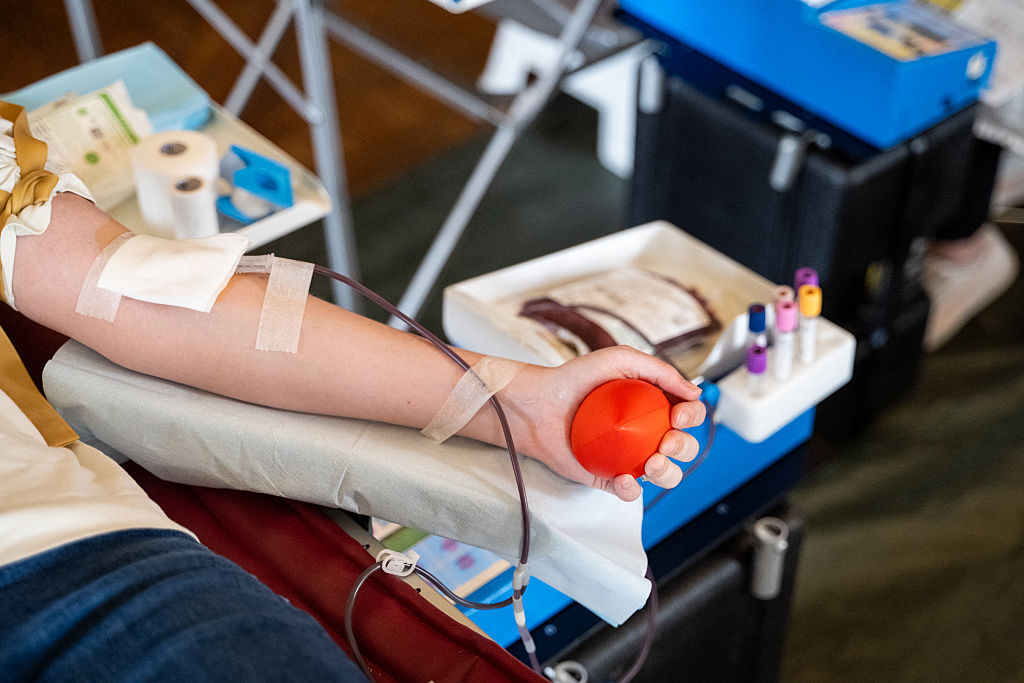

Lifeblood, the Australian Red Cross blood service, has introduced new criteria expanding donation eligibility for gay and bisexual men and transgender people.
From April 20, gay, bisexual men and transgender people will no longer be asked whether they have had sex with men in the pre-donation questionnaire, with all donors now subject to the same sexual activity questions regardless of gender.
This means the focus is now on donors’ individual behaviour risk, not their sexual orientation.
Lifeblood said the move was part of the organisation’s ongoing reform to make donation more “inclusive” while ensuring the safety of donated blood.
This follows Lifeblood’s removal of a three-month waiting period for gay and bisexual men who have sex with men in July 2025, in an effort to increase donor numbers.
Lifeblood CEO Stephen Cornelissen said the new policies would put an end to a number of restrictions on LGBT donors.
“Previous donor rules prevented many people from the LGBTQIA-plus community from donating blood or platelets if they’d had sex within the past three months,” he said.
“These latest changes mean many gay and bisexual men and transgender people in long-term, monogamous relationships will become eligible to donate blood or platelets for the first time.
“This is something we’ve been researching and working on for some time together with governments, LGBTQIA-plus advocacy groups and the broader community, and we’re excited to be welcoming many more new donors into our centres to donate blood and platelets from today.”
Cornelissen also reassured the public that Lifeblood would prioritise safety under the new measures, saying waiting periods for blood donation would remain in place for some people.
Lifeblood’s new policies have been approved by the Therapeutic Goods Administration and included research, risk modelling and community feedback.
The oganisation believed the measures would result in an extra 20,000 donations annually.
At present, Australia requires around 33,000 blood plasma and platelet donations each week to support people receiving cancer treatment, those with bleeding disorders, and victims of trauma, accidents, and other medical conditions.
Blood Donation Policies Around the Globe
Countries around the world have varying policies on blood donation from certain members of the LGBT community.
Men who have sex with men have historically been considered at higher risk of HIV transmission in some contexts, leading many countries to adopt precautionary restrictions on blood donation, though many have since shifted toward individual risk-based screening.
While countries such as the United States, Canada and many in Europe have relaxed blood donation rules for gay and bisexual men, others still maintain stricter policies, including deferral periods ranging from several months to a year following sexual contact between men.
To donate blood, visit www.lifeblood.com.au or call 13 14 95
 Friends Read Free
Copy
Facebook
Tweet
Friends Read Free
Copy
Facebook
Tweet