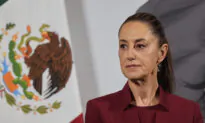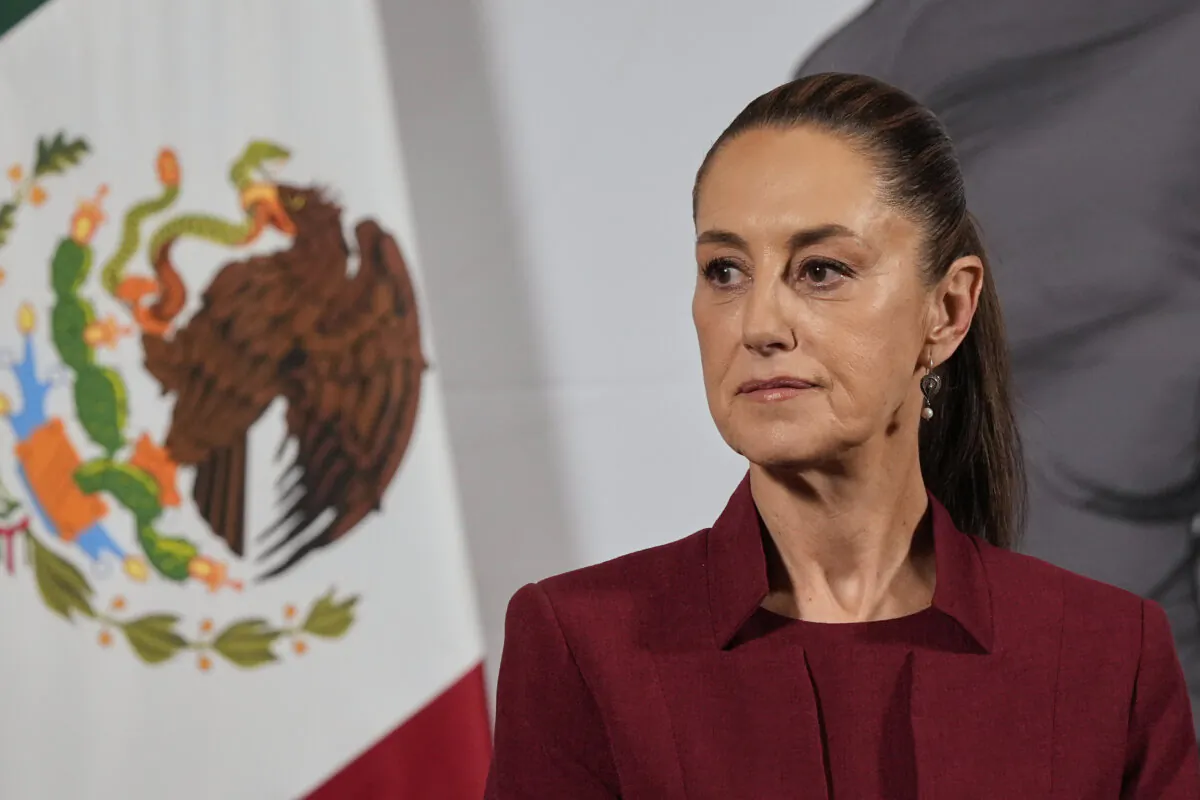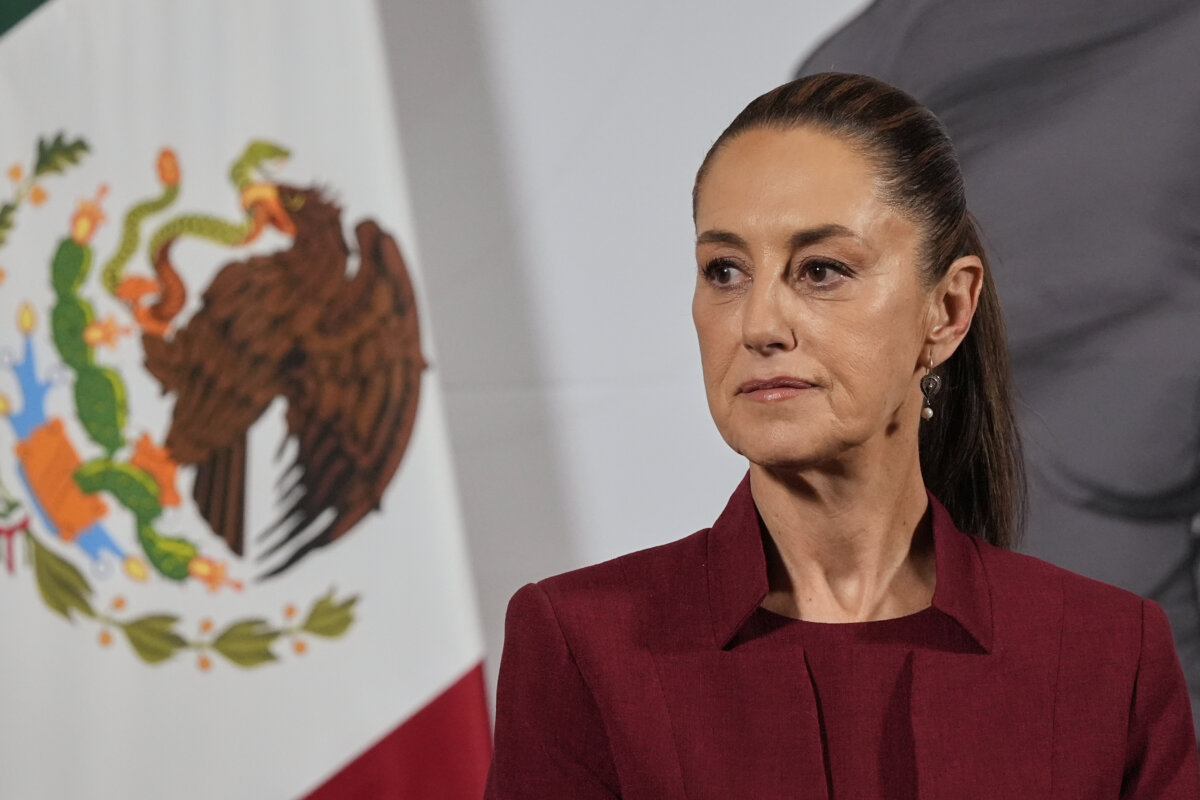

Mexican President Claudia Sheinbaum confirmed that she was invited to the upcoming Group of Seven Leaders Summit held in Canada by Prime Minister Mark Carney, but said she is still considering whether to attend.
“He invited me to the G7 meeting, which will take place in Canada. I haven’t made a decision on whether I will go, but it’s a possibility,” Sheinbaum told reporters during a May 28 press conference.
Sheinbaum said Carney extended this invitation during their initial phone conversation on May 15, while the two also discussed their trade relationship with the United States. The Mexican president added that the country is being invited to the G7 as “special guests,” and that she could also meet with U.S. President Donald Trump if she decided to attend.
The G7 is made up of the seven developed economies of the United States, Canada, France, Germany, the United Kingdom, Italy, and Japan, as well as the European Union as a non-enumerated member. Mexico, a developing economy, is not a member.
The Prime Minister’s Office did not respond to The Epoch Times’ request for comment on the invitation.
Both Canada and Mexico have been subject to tariffs from the United States, with Trump saying the first round of tariffs on the two nations is in response to illegal immigration and drug smuggling from both countries. Trump said at the beginning of the year he would place 25 percent tariffs on both countries beginning on Feb. 3, but implemented a 30-day pause after speaking with Sheinbaum and then-Prime Minister Justin Trudeau.
Sheinbaum had agreed to deploy 10,000 troops to the U.S.-Mexico border, while Trudeau reiterated that Canada had made $1.3 billion in investments on border security, while also promising to list drug cartels as terrorist entities, commit another $200 million for intelligence operations to combat fentanyl, and appoint a “fentanyl czar.”
Trump then implemented the 25 percent tariffs on the two countries on March 4, but days later created a carve-out for products under the United States-Mexico-Canada Trade Agreement (USMCA). This covers around 50 percent of American imports from Mexico and 38 percent of imported Canadian goods.
The United States originally said this USMCA carve-out would only last for 30 days, but on April 2, Trump confirmed that the exemptions would be staying in place. The United States implemented “reciprocal” tariffs on most countries that day, ranging from 10 percent to as high as 50 percent, but did not put additional tariffs on Canada or Mexico.
On April 9, Trump announced that he would pause the reciprocal tariffs for 90 days and instead put a 10 percent base tariff rate on all countries except Canada and Mexico. China, meanwhile, saw its tariff rate rise even further, though the two countries have since reached an agreement to lower tariffs.
 Friends Read Free
Copy
Facebook
Tweet
Friends Read Free
Copy
Facebook
Tweet