
An investigation into alleged widespread fraud targeting the National Disability Insurance Scheme (NDIS) has uncovered an organised criminal syndicate accused of making millions through false claims for services never provided.
A joint investigation by the Fraud Fusion Taskforce (FFT) began in Oct. 2025, following the National Disability Insurance Agency (NDIA) flagging potentially fraudulent claims submitted by an NDIS participant.
It subsequently became evident that the claims were being submitted through what the Australian Federal Police (AFP) call “an illegitimate NDIS provider business.”
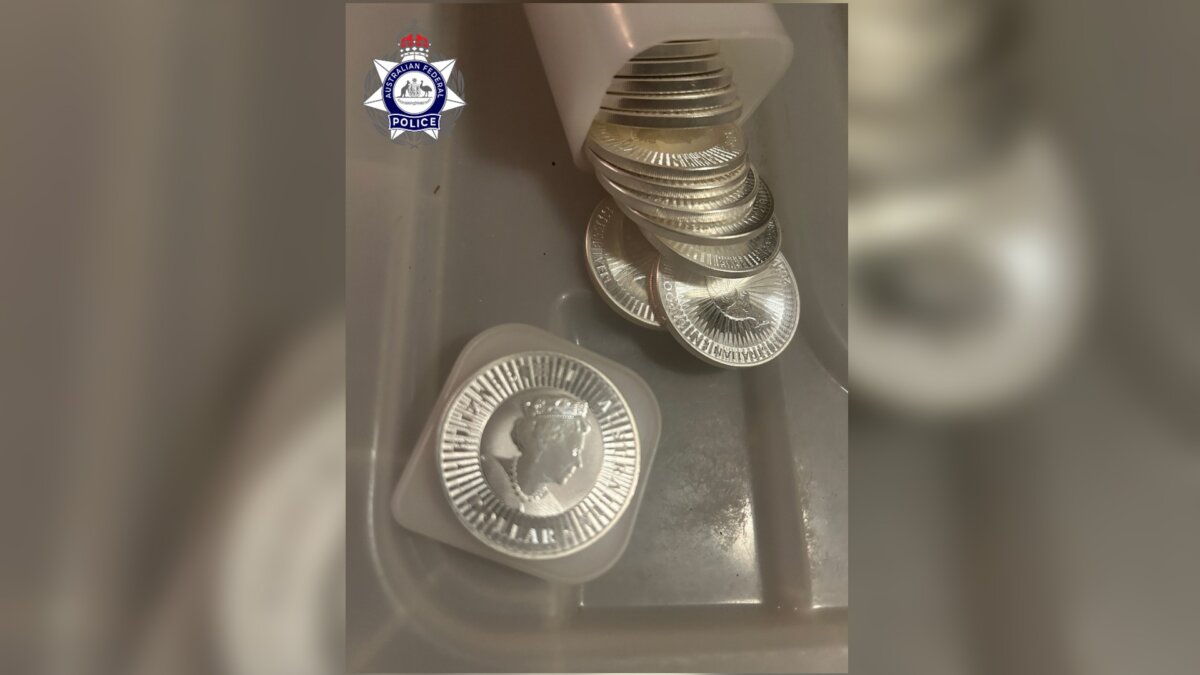
The Taskforce executed search warrants across five business and residential properties in Brisbane, Cairns, and Far North Queensland in April, and seized $94,000 (US$67,900) in cash—alleged to be proceeds of crime—as well as gold and silver sovereign coins, estimated to be worth more than $82,000, and a cryptocurrency wallet.
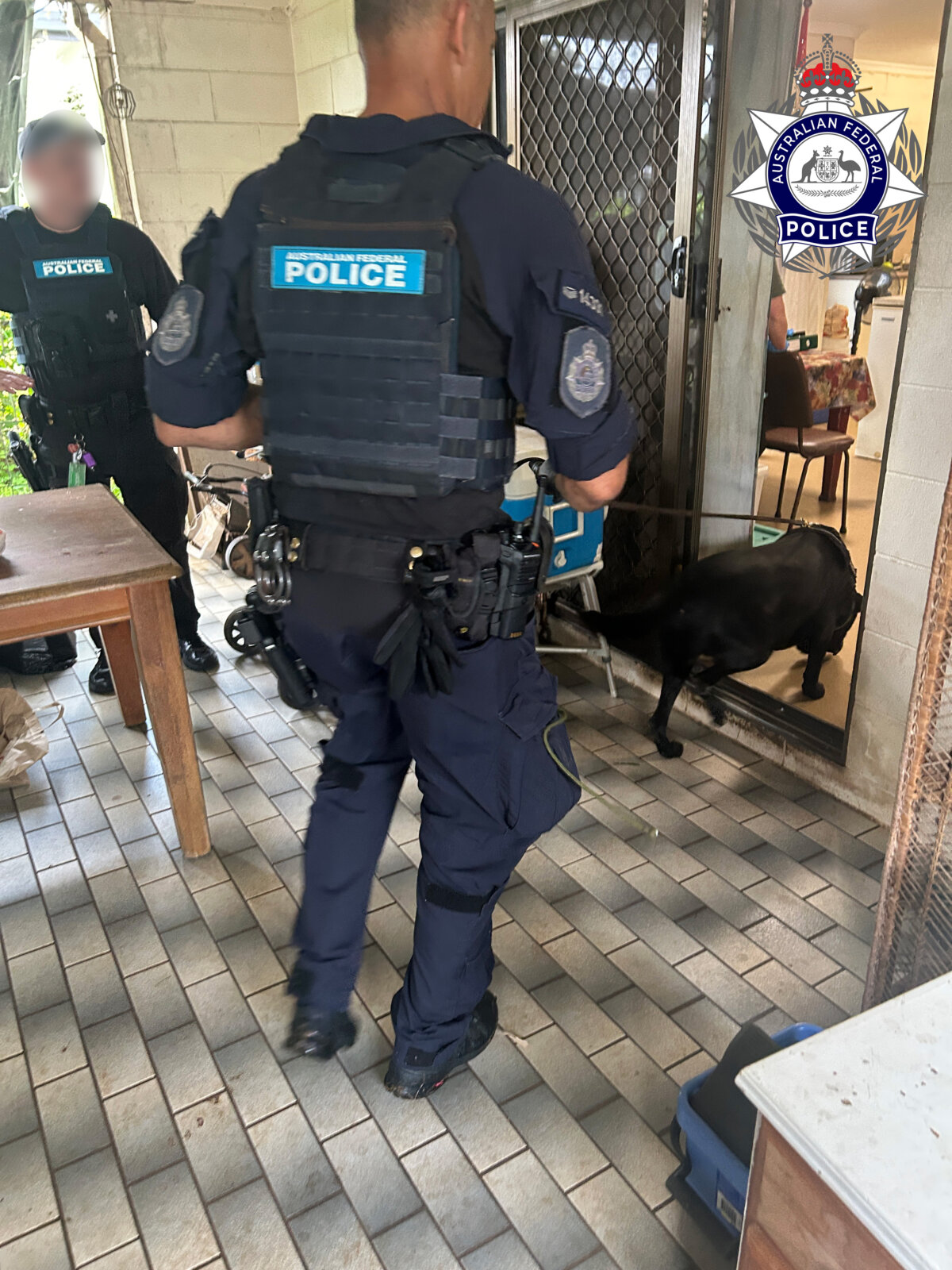
Additionally, investigators accessed the syndicate’s cloud-based data and confiscated electronic devices and documentation, all of which will be the focus of additional forensic examination.
The assets seized in the raids are just a small proportion of the gains allegedly made by the syndicate through its fraudulent activity.
The Queensland Crime and Corruption Commission (QCCC) has taken restraint action over about $5.02 million in gold, silver and funds acquired by the syndicate. It is conducting a confiscation investigation under the state’s Criminal Proceeds Confiscation Act, but at this stage no charges have been laid.
Sharon Loder, Head of Crime at the Commission, said recovery action was crucial because it ensured that serious crime did not pay.
“Recovery action also undermines the incentive for engaging in serious crimes for profit, and it restores public money so that much-needed services can continue to be provided to the community,” she added.
AFP Acting Commander Timothy Underhill said the federal police and other FFT agencies were dedicated to preserving the integrity of essential support services.
“Agencies across the Commonwealth are working together to deliver and safeguard government measures that support the community and [to] stop criminal groups and individuals who seek to defraud services that are relied on by vulnerable members of the community,” he said.
“This includes creating a hostile environment for criminals by removing the profits from their fraudulent activities.”
An NDIA spokesperson said the agency was strengthening its safeguards “every day, including enhanced monitoring and payment controls to prevent, detect and disrupt criminal behaviour targeting the scheme.”
“The NDIS exists to support Australians with significant and permanent disability to access the services they need—every action we take is about protecting the NDIS for those who rely on it today and for future generations,” the spokesperson said.
 Friends Read Free
Copy
Facebook
Tweet
Friends Read Free
Copy
Facebook
Tweet