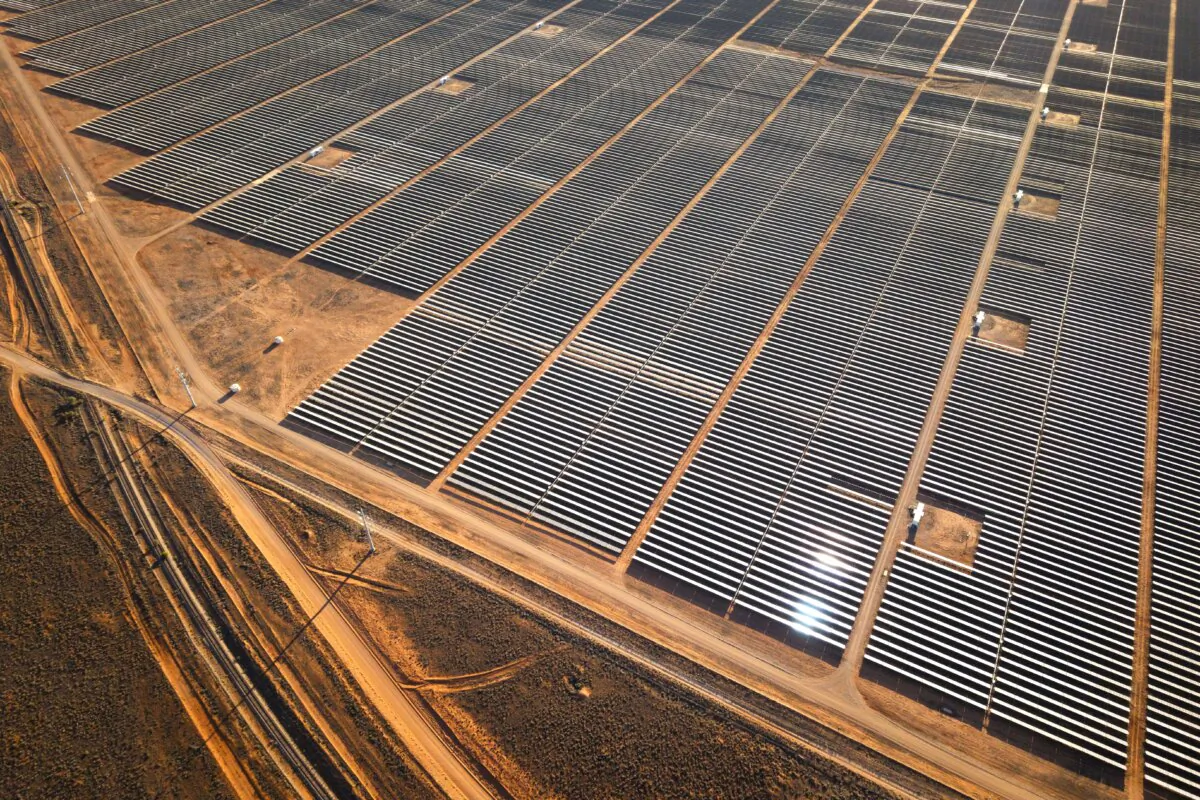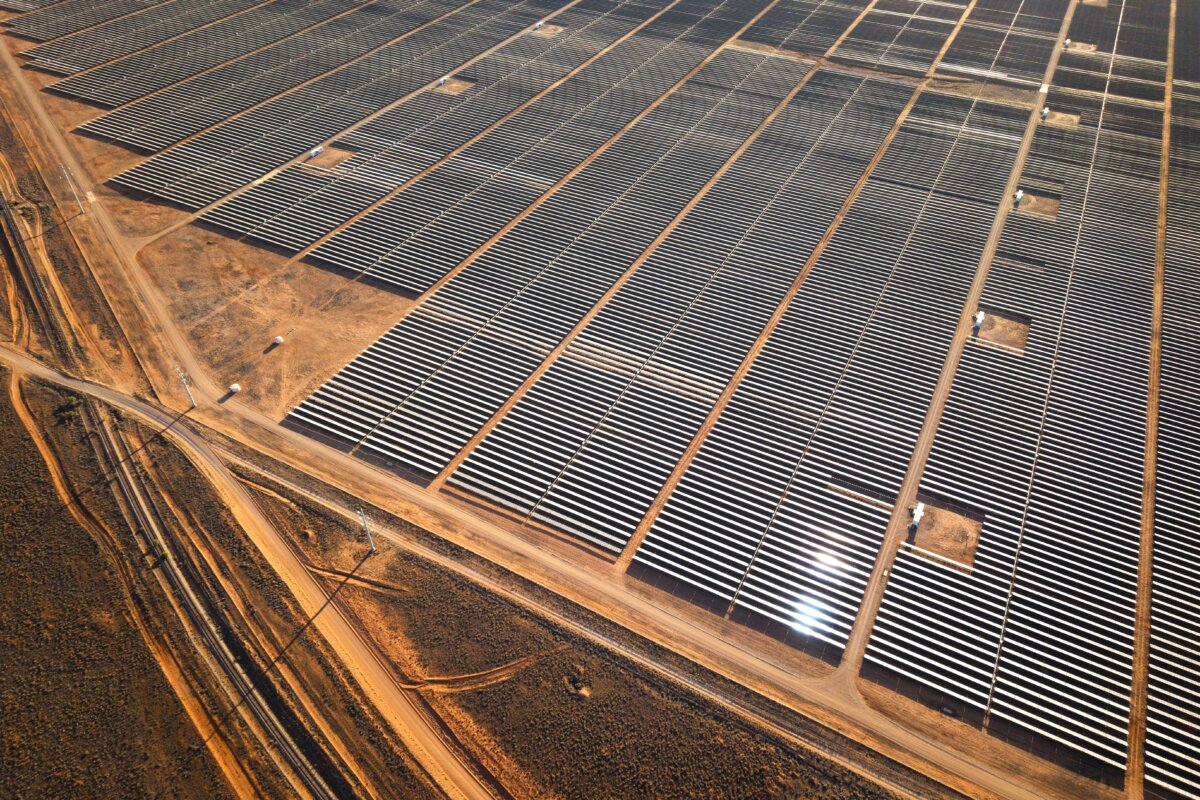

An energy expert says just because Australia has “boundless planes” of ample sunlight doesn’t necessarily mean it can become a “renewable superpower.”
For years, Australia has been the envy of countries and organisations as a potential hotbed for the net zero push.
The World Wildlife Fund (WWF) even goes as far as to say Australia can achieve 700 percent renewable generation by 2050 with the right policies and government support.
However, during the recent 2025 Diggers and Dealers Mining Forum in Western Australia, Aidan Morrison, director of energy research at the Centre for Independent Studies, said there was no technological way to convert the natural features into energy for the entire population.
“The thing is … with energy, more so than anything else, it’s got a huge value if it’s delivered at the right place and the right time,” he said.
“This idea that we have boundless planes to spare does not solve the problem, as though we’re some singular big bucket, where as soon as it’s sunny in some particular point that is immediately shareable with absolutely everywhere in the continent.”
For instance, he noted that it was not feasible to harvest energy from Queensland during sunny days and share it in real time with other states experiencing cloudy conditions, alluding to issues like energy loss during transfer as well as a lack of transmission infrastructure.
“That’s not how an energy system works,” he said.
Too Many Solar Panels Already in the System
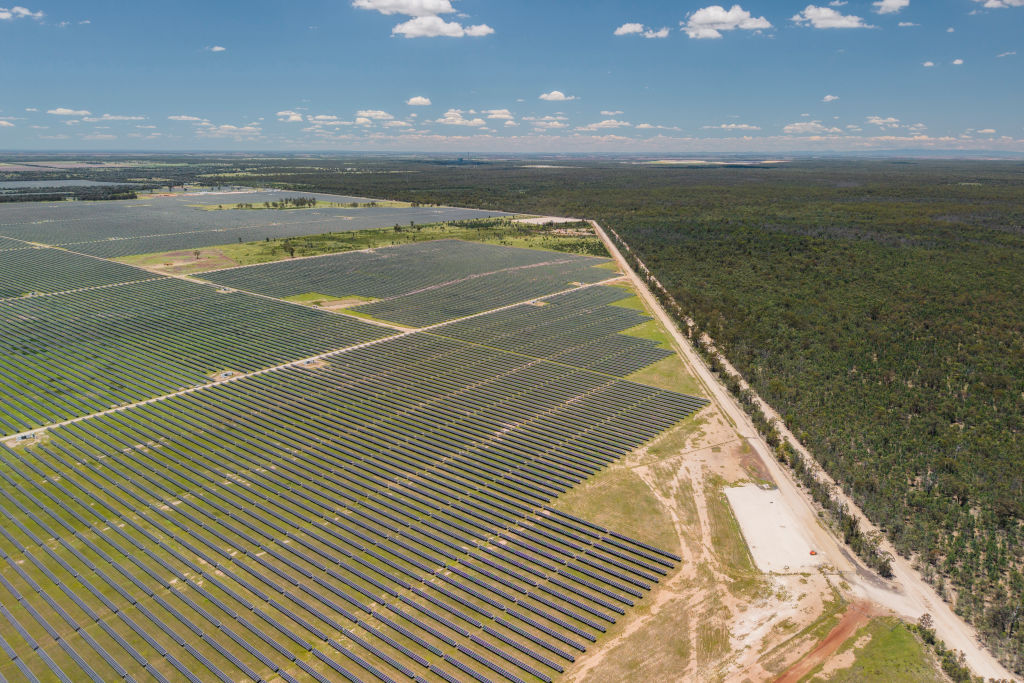
Morrison added such a “big bucket” approach would be a “catastrophic” deployment of energy assets.
“From a cold, hard engineering utilisation of capacity perspective, it is absolutely bonkers to think that you have that many solar panels,” he said.
“What will they do the rest of the time when they’re sitting around in places that are sunny while everywhere else they will be totally unused?”
Morrison’s comment comes as a number of solar farms in Australia face curtailment—meaning they are being underutilised—due to issues within the national power grid.
According to the Australian Energy Market Operator (AEMO), grid congestion caused by a lack of transmission facilities has forced some solar farms to cut a quarter of their output.
While the AEMO said such high levels of curtailment would not be permanent, they have dealt a blow to investor confidence in large-scale renewable projects, according to a peak renewable energy body.
Meeting 2030 Renewable Energy Targets Is Impossible: Expert
At the same time, Morrison said it was impossible for Australia to meet the target of 82 percent renewable energy target by the end of this decade.
He explained that renewable energy now accounts for around 40 percent of the power grid, and that it is unlikely that Australia can double this figure in the next five years according to current progress.
“The report that was sponsored by the [energy] market operator said that to reach the 2030 targets, we would have to more or less double the entire energy sector workforce in the next five years,” he said.
“We’d have to triple the number of electrical engineers inside four years. This is stuff that you could not do outside wartime labour market directions, and yet we’re still sort of saying we’re going to do it.
“Unfortunately, at the moment, there is just no chance that we could physically meet the 2030 target of 82 percent renewables.”
 Friends Read Free
Copy
Facebook
Tweet
Friends Read Free
Copy
Facebook
Tweet