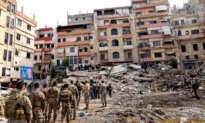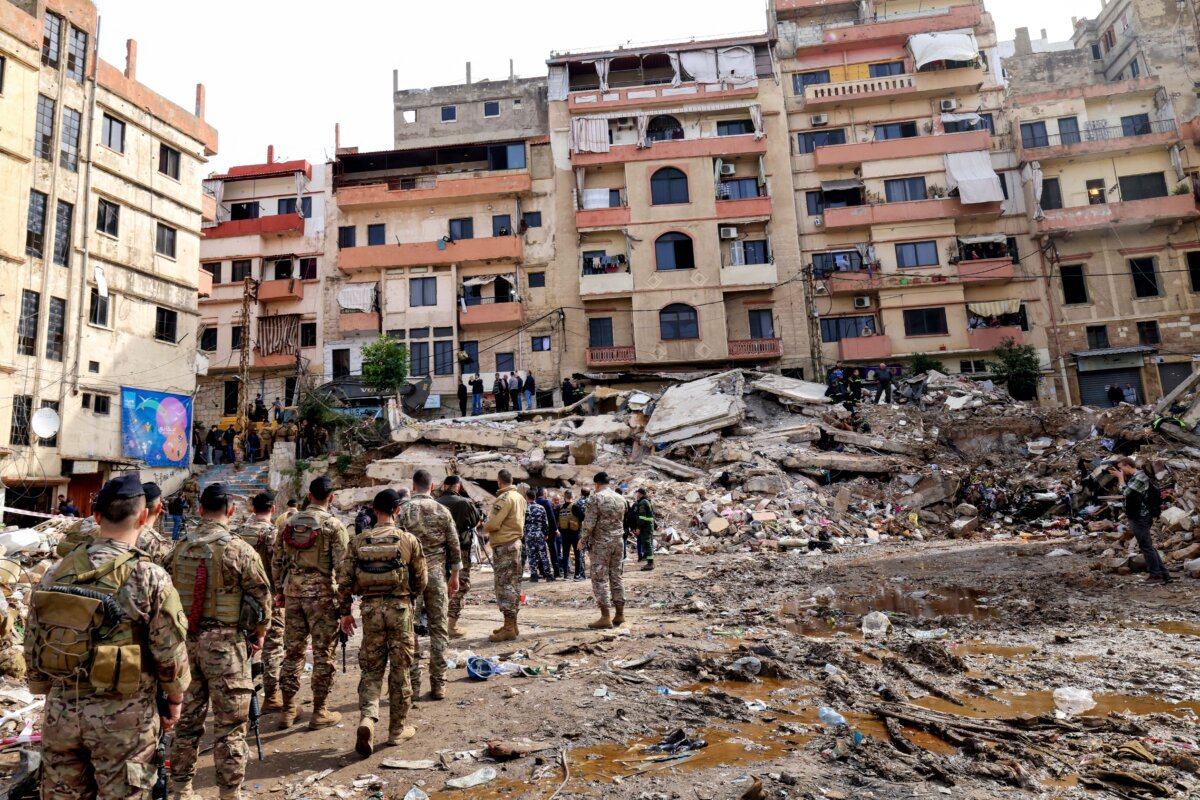

More than 667,000 people in Lebanon have been displaced as Israel launched air attacks on the country in an effort to target Hezbollah.
The United Nations High Commissioner for Refugees (UNHCR) released that figure for March 10. It’s based on the number of people who registered on the Lebanese government’s online displacement platform, and reflected an increase of 100,000 in one day.
About 120,000 displaced people were sheltering in government-designated collective sites while others stayed with relatives and friends.
“Lives have been upended on a massive scale,” Karolina Lindholm Billing, the Lebanon representative for the UNHCR, in a video posted on X.
Described by the U.N. as a crisis, the wave of dislocations is occurring amid Israel’s evacuation warnings, which impacted more than 53 villages.
Israel and the United States began its joint operation against Iran on Feb. 28. Two days later, Hezbollah, an Iran proxy, launched rockets and drones against Israel, provoking the response. The Israel Defense Forces (IDF) said that Hezbollah made a deliberate decision to join Iran’s war against Israel and launched attacks at “behest of the Iranian regime.”
The U.N. reported that there were 294 people killed in Lebanon and more than 1,000 injured in the first eight days of the war.
The Council on Foreign Relations released a March 2026 report that said the Iran-backed Hezbollah was considered “the most powerful non-state armed group in the Middle East” and “wields significant power in Lebanon.”
Hezbollah was “considerably weakened” after a 2024 Israeli campaign against it.
The IDF stated on March 10 that an Israeli Air Force strike had killed Hassan Salameh, whom it described as a senior terrorist who held key positions in Hezbollah.
The U.N. stated on March 9 that at least 83 children have been killed with another 254 wounded since March 2, and more than 300 killed in hostilities over the preceding 28 months.
“These figures are staggering,” said Edouard Beigbeder, the United Nations Children’s Fund regional director for the Middle East and North Africa, in a statement. “They are a stark testament to the toll that conflict is taking on children.”
The UN stated that it has delivered 45 tons of emergency supplies to support families affected by the conflict.
“At the current pace of displacement, we are working hard to replenish our country-level stocks of essential items, but UNHCR’s operation in Lebanon is currently only 14 percent funded,” the U.N.’s refugee agency said. “Fast and sustained international solidarity is critical to enable us to support the Lebanese Government and authorities in responding to the emerging needs.”
 Friends Read Free
Copy
Facebook
Tweet
Friends Read Free
Copy
Facebook
Tweet