
Israeli Prime Minister Benjamin Netanyahu on June 1 ordered the military to strike Hezbollah targets in Beirut’s southern suburbs, amid Israel’s expanding campaign against the Iran-backed organization despite a ceasefire that has nominally been in place since April.
The order came as Israeli forces deepened their ground offensive in southern Lebanon and expanded operations north of the Litani River, while U.S. diplomatic efforts sought to keep negotiations between Israel and Lebanon to end the fighting on track.
“In response to the repeated and ongoing violations of the ceasefire in Lebanon by the terrorist organization Hezbollah and the attacks against our cities and citizens, Prime Minister Benjamin Netanyahu and Defense Minister Israel Katz have ordered the IDF to strike terrorist targets in the Dahiyeh district of Beirut,” Netanyahu and Katz said in a joint statement posted on X on June 1.
The Dahiyeh district is Hezbollah’s main stronghold in the Lebanese capital and has frequently been targeted during previous conflicts between Israel and the group.
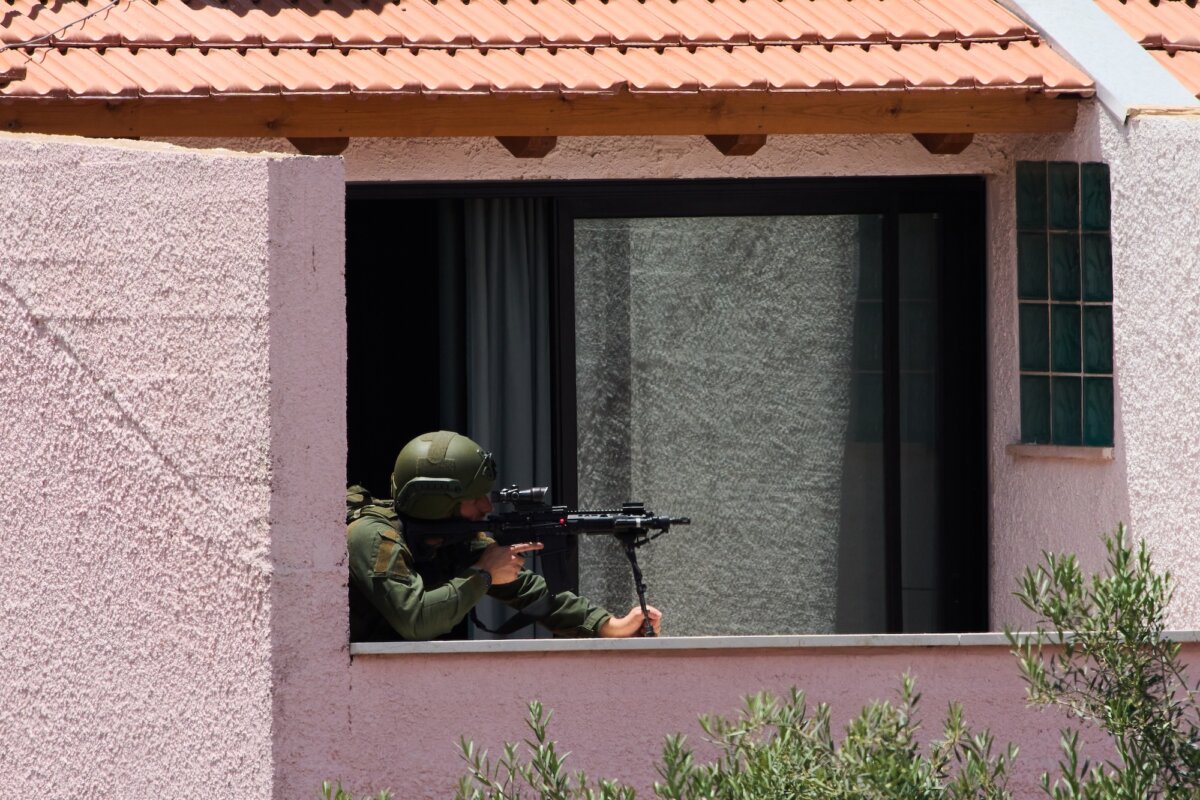
Israeli troops over the weekend captured a strategic mountain topped with a Crusader-built castle in southern Lebanon, marking the deepest incursion into the country in 26 years.
The capture followed days of airstrikes and intense clashes in nearby villages between Israeli troops and Hezbollah.
“Twenty six years after the withdrawal from the security zone in Lebanon, the Israeli flag has returned to fly on the peaks that overlook the Galilee towns,” Katz said on Sunday at a memorial ceremony for Israeli soldiers killed in southern Lebanon in previous anti-Hezbollah operations.
Israel Presses Case for Beirut Strikes
Israeli senior officials told Epoch Magazine Israel that Netanyahu convened a limited security meeting on the night of May 31 to discuss military plans for Beirut. According to the officials, the Israeli military had already prepared strike plans, including civilian evacuation measures, but the United States had previously opposed attacks in Beirut out of concern they could undermine ongoing negotiations to settle the Iran war.

U.S. President Donald Trump has been pursuing a deal that would turn the fragile ceasefire with Iran into a lasting peace and reopen the Strait of Hormuz to pre-war levels of shipping of crude oil and other critical commodities like fertilizer. Trump has also insisted that Tehran must commit to never obtaining a nuclear weapon and relinquish its stockpile of highly enriched uranium.
With differences remaining as talks continue, Trump said over the weekend that he is in no hurry to conclude a deal, warning that if Tehran refuses to make key concessions, fighting might resume. Iran, for its part, has sought to make Lebanon part of the agreement, seeking to protect its proxy Hezbollah from further attacks.
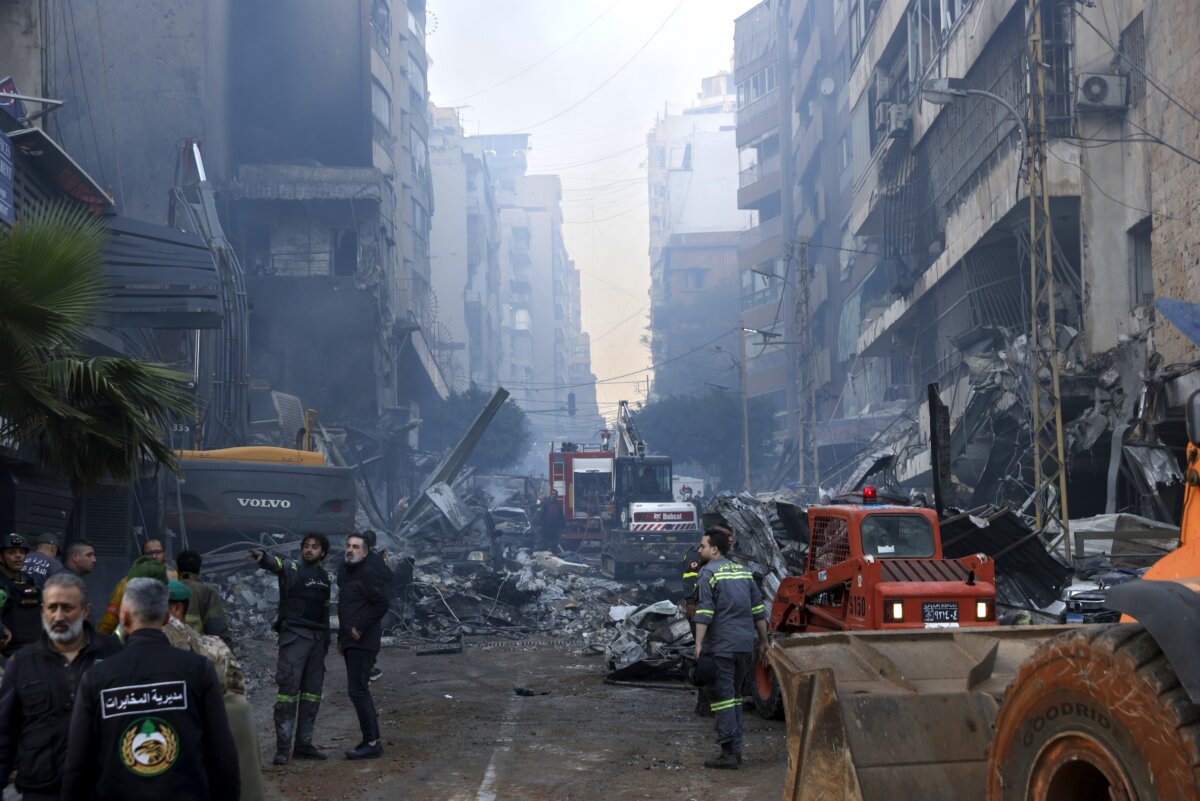
The Israeli officials told Epoch Magazine Israel that it remained unclear whether Washington had shifted its position on Israeli operations in Beirut and what specific targets would be included in any strikes.
According to the same officials, Netanyahu spoke by telephone two days ago with U.S. Secretary of State Marco Rubio and made the case that Hezbollah could not be granted what he described as immunity in Beirut. Netanyahu told Rubio that targeted operations alone were insufficient to deter Hezbollah and that broader military action in the Lebanese capital was necessary.
Israeli security officials said Hezbollah had expanded the geographic scope of its attacks, launching rockets and unmanned aerial vehicles toward northern Israeli cities that had previously escaped major attacks, including Safed and Tiberias. To counter those threats, Israeli officials said, Hezbollah’s command infrastructure in Beirut must now be targeted.
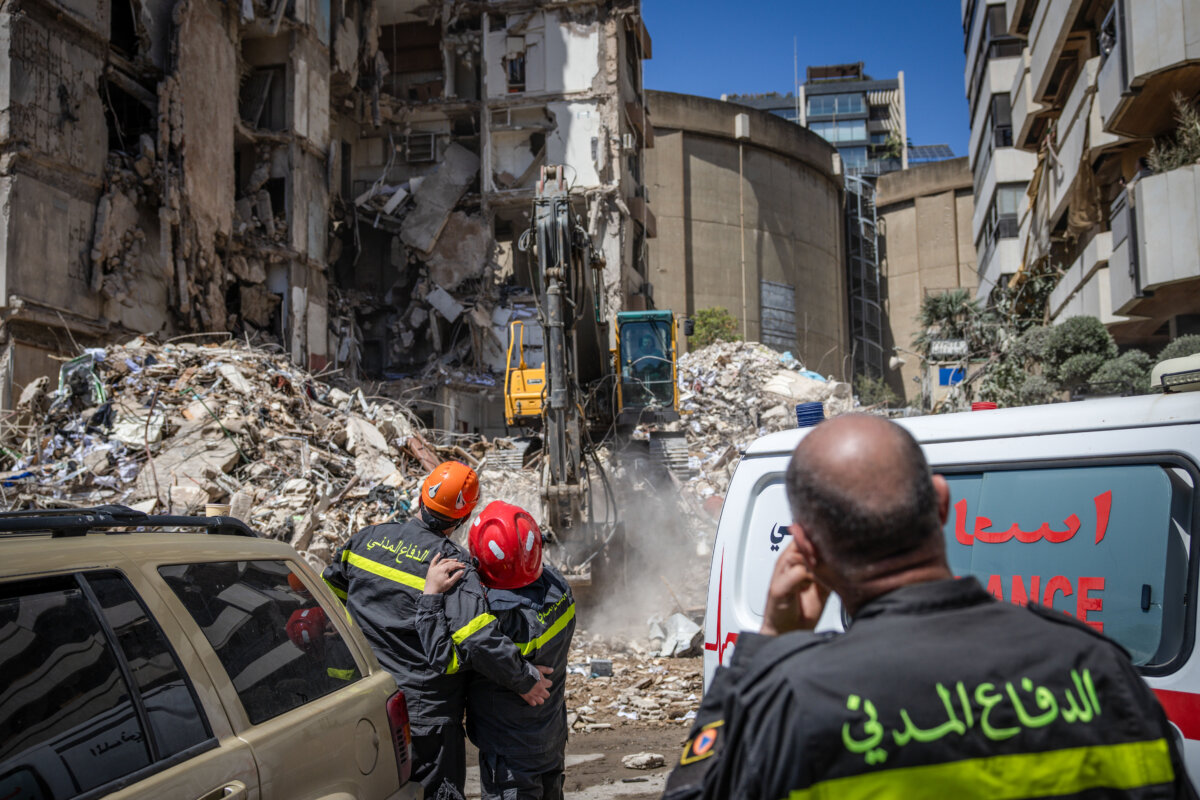
The officials added that Hezbollah had dispersed some command centers beyond Dahiyeh into other Beirut neighborhoods and maintained underground weapons stockpiles and production facilities for rockets, drones, and other military equipment throughout the city.
Israel Expands Operations
The latest move comes one day after Netanyahu ordered Israeli forces to expand ground operations in southern Lebanon and deepen Israel’s control over areas previously held by Hezbollah.
Heavy Israeli strikes hit towns and villages in southern Lebanon overnight on May 27 and into May 28. The Israeli military said at the time that residents should leave any towns south of the Zahrani River, which runs about 25 miles north of Israel’s border with Lebanon.
Together with a border zone occupied by its troops, Israel’s evacuation orders over the past three months span about 770 sq miles of Lebanon, or about a fifth of the entire country.
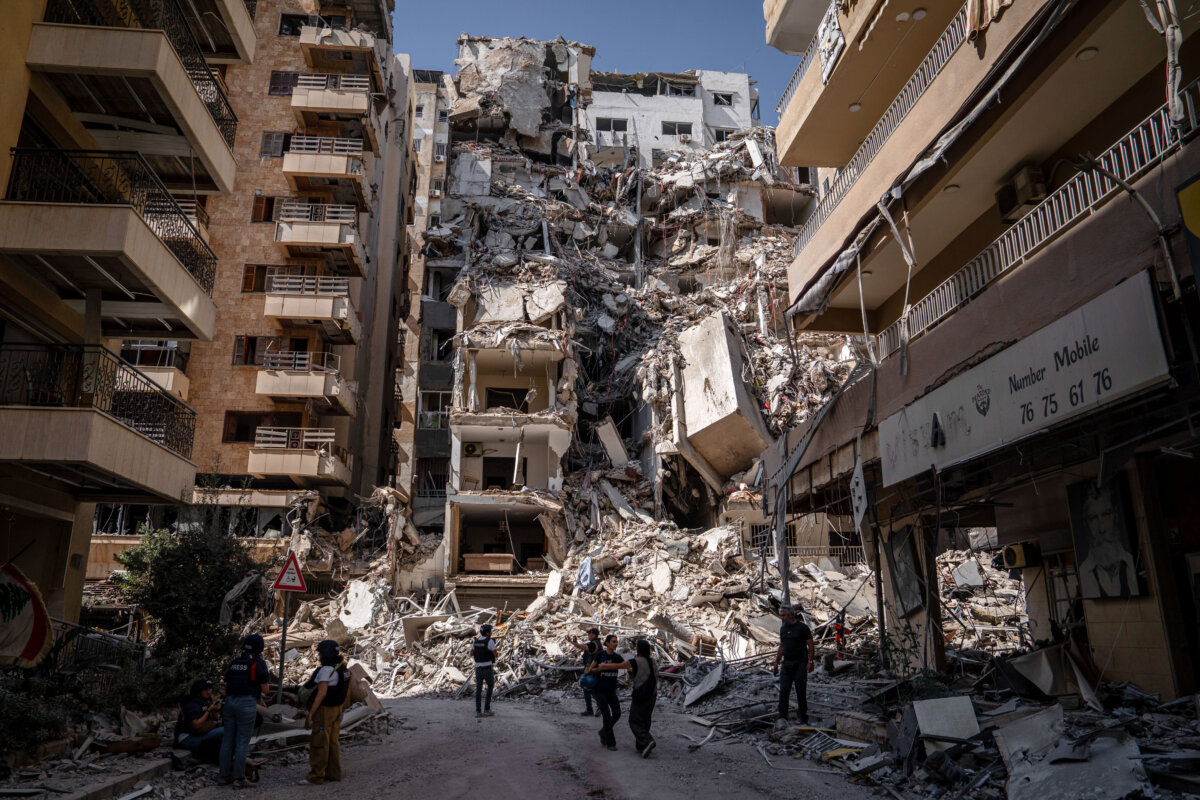
On May 28, an Israeli strike hit a building in the southern suburbs of Beirut. On May 30, eight people were killed when overnight airstrikes hit the southern village of Deir El Zahrani, Lebanon’s state news agency said.
Throughout May 31, the Israeli military conducted more than 40 strikes across southern Lebanon, according to Lebanese state news.
Hezbollah said it carried out rocket and missile attacks on northern Israel on May 31. It said early on June 1 that it attacked Israeli troops in Zawtar al-Sharqieh, just north of the Litani River, and struck what they said was Israeli military infrastructure in Tiberius, a few dozen miles south of the border.
The latest exchange of attacks came despite a nominal ceasefire that has been in place since April 17 and just before Lebanon and Israel hold their next round of direct talks in Washington, starting June 2.
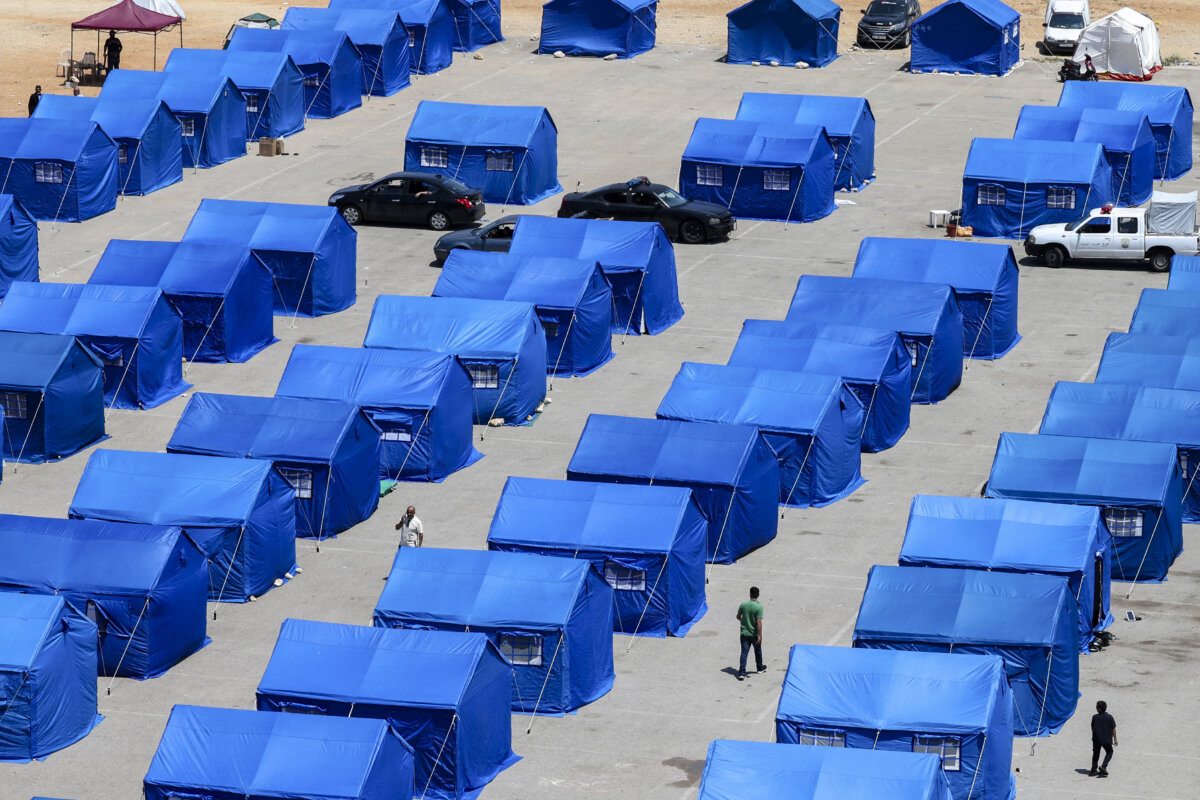
Israeli troops have now pushed beyond the Litani River and are moving north, the military said, adding that the operation is expanding to “additional areas” as it aims to “eliminate terrorists and remove direct threats to Israeli civilians.”
The Israeli military on June 1 issued evacuation warnings to residents of the southern Lebanese towns of Mleikah and Kafr Kila, urging residents to move away to a safe distance and warning that anyone present near Hezbollah sites risks their life.
The expanding Israeli campaign has drawn criticism from some regional governments.
Qatar condemned on May 31 what it described as Israel’s continued aggression against Lebanon and the expansion of its ground incursion, calling it a “dangerous escalation and a flagrant violation” of Lebanese sovereignty and international humanitarian law.
On June 1, Kuwait similarly denounced Israel’s military operations, describing them as a broad escalation that threatened civilian lives and violated Lebanon’s sovereignty, security, and stability.
France has also called for an emergency meeting of the U.N. Security Council to discuss the deteriorating situation in Lebanon.
The speaker of Iran’s parliament, Mohammad Bagher Qalibaf, said that escalation of Israeli military operations in Lebanon, along with the ongoing U.S. naval blockade of Iranian ports, is “clear evidence” that the United States has broken the terms of the ceasefire.
“Every choice has a price, and the bill comes due,” Ghalibaf said in a June 1 post on X. “It will all fall into place.”
 Friends Read Free
Copy
Facebook
Tweet
Friends Read Free
Copy
Facebook
Tweet