
Prime Minister Mark Carney says a new oil pipeline from Alberta to the B.C. coast is “highly likely” as part of the government’s new major projects Bill C-5.
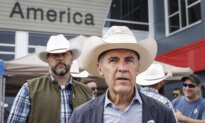
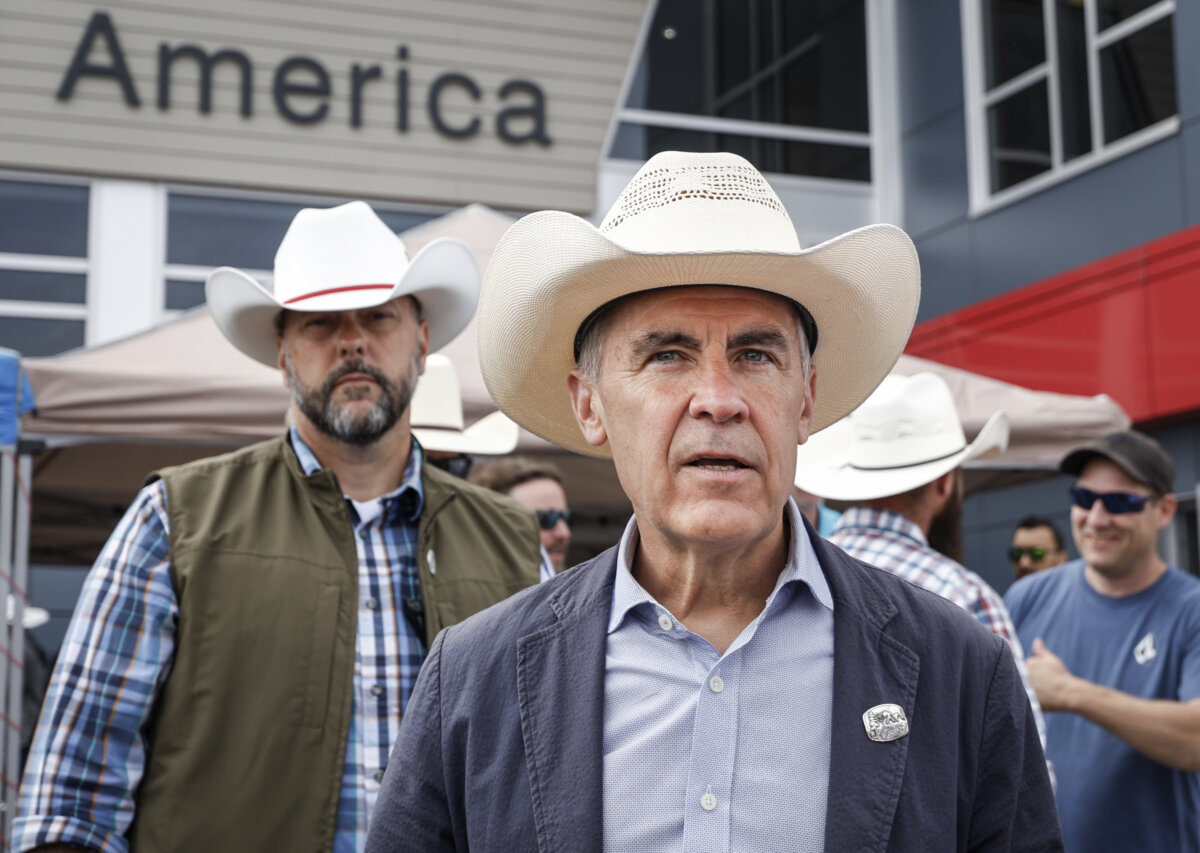
Carney, who was recently in Alberta for the Calgary Stampede, made the comments in an interview with the Calgary Herald on July 6 before attending a Stampede breakfast.
“I am confident that my government will do everything we can so that those projects can be built,” he said.
“The private sector is going to drive it… We’ve got legislation, but we’ve also got the people in place at the federal level who can get things done.”
Bill C-5, also known as the One Canadian Economy Act, received royal assent and became law on June 26, with an aim of fast-tracking the regulatory process and interprovincial collaboration for major projects deemed in Canada’s national interest.
“It’s highly, highly likely that that will be the case,” Carney said, speaking about the potential construction of a new pipeline from Alberta to B.C. “And the only reason why I don’t say it definitively, is this is not a top-down approach from the federal government saying, ‘we want this, we want that.’”
Carney added that “I would think, given the scale of the economic opportunity, the resources we have, the expertise we have, that it is highly, highly likely that we will have an oil pipeline that is a proposal for one of these projects of national interest.”
Ahead of the passage of Bill C-5, the government laid out five criteria that will be used to determine which projects are in the national interest, specifically projects that boost Canada’s security, strength and sovereignty, help the economy, are highly likely to succeed, are a priority for indigenous leaders and have clean energy and sustainability potential.
In addition to his confidence in a new pipeline bringing Alberta crude to Western shores for export, Carney also mentioned a major carbon capture and storage (CSS) project proposed by the Pathways Alliance group to offset carbon emissions. The Pathways Alliance group is a partnership of six major oil sands companies looking to “advance environmental innovation and projects.” The CSS plan from Pathway Alliance calls for constructing an underground carbon storage facility near Cold Lake, Alta., that draws out and captures carbon from oil sands facilities connected along a 400-kilometre carbon extraction pipeline network.
At a meeting with premiers last month, Carney repeated his call for “decarbonized barrels” of oil, saying that pairing a new pipeline with a CSS project would be desirable to Ottawa.
“It is much more attractive if we’re shipping decarbonized barrels, effectively,” he said, adding that this could be “a coming together of Pathways and new oil exports.”
An analysis by the Royal Bank of Canada in May of this year concluded that the existing Trans Mountain Pipeline Expansion (TMX) project bringing Alberta oil to the B.C. coast is already running near capacity.
Alberta Premier Danielle Smith has long advocated for an additional pipeline to get a higher quantity of Alberta oil to overseas markets outside the United States, in addition to calling for Ottawa to scrap the Impact Assessment Act, the greenhouse gas emissions cap, the oil tanker ban on B.C.’s North Coast, and the electric vehicle mandate.
After briefly meeting Carney at the pancake breakfast before the Calgary Stampede, Smith said Carney’s comments about a “likely” new pipeline are well received, adding “that’s what I’ve been hoping to see.” She also said that pairing a new pipeline with a CSS extraction system makes sense to her, and said she’s “hoping we can come to a deal on that.”
Speaking at a press conference Calgary on July 4, Energy Minister Tim Hodgson touched on a number of related subjects, saying “the private sector is going to need to advance these projects of national interest.”
“One of the five key criteria is high probability of execution,” Hodgson said. “That means private sector leadership and private sector capital. What we are doing now is starting the conversations with those private sectors, private sector industry participants and relevant jurisdictions and indigenous people about finding the projects that will meet the five criteria for national projects. We’re very early on in that process.”
Bill C-5 includes a two-year limit from a proposal deemed in the national interest to approval or rejection of the proposal, with Hodgson saying that any process for a new pipeline proposal being considered “will be clear and transparent, and the commitment of the federal government is it will do all of its its work, all of its processes, within a two year time period.”
Speaking ahead of the Stampede breakfast, Carney said that while his government is open to moving swiftly if a pipeline meets the criteria, “there’s not a specific proposal in front of us right now.”
 Friends Read Free
Copy
Facebook
Tweet
Friends Read Free
Copy
Facebook
Tweet