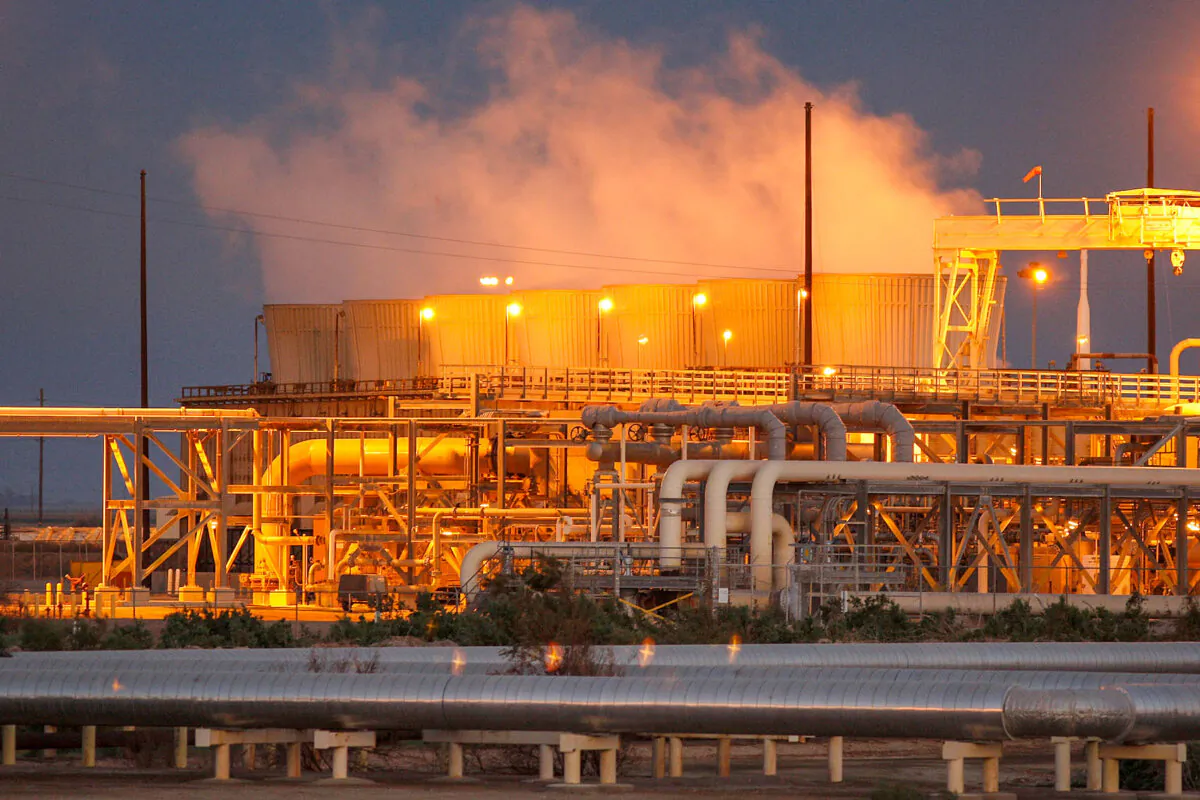

New Zealand is to explore supercritical geothermal resources in a bid to help replace dwindling gas reserves and control energy prices.
Electricity prices, particularly wholesale, in New Zealand are trending upward, driven by low hydro storage, high inflation, and increasing network investment costs.
The price in Auckland spiked to $229.1 per megawatt hour in August 2024, according to the Electricity Authority.
The costs are having a devastating effect on the country’s industrial sector.
Winstone Pulp International shut down its pulp and paper mill sites in August 2024 due to unsustainable electricity prices, which had increased 600 percent since 2021.
Pan Pac Forest Products also suspended pulp production for similar reasons, and the Business Energy Council has warned of more closures to come unless prices fall and supply stabilises.
Supercritical geothermal fluids are found more than 5 kilometres below the earth’s surface, at temperatures of over 400 degrees Celsius, and offer significantly more energy than conventional geothermal fluids found at current depths of around 3.5 kilometres, which have temperatures of less than 350 degrees.
First Exploration Well
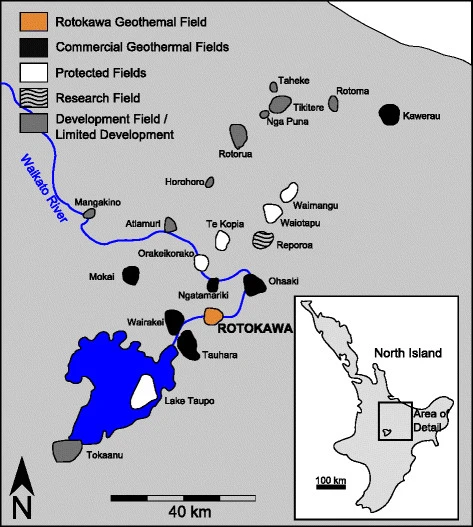
The government has selected land within the Rotokawa Geothermal Reservoir, in the Taupō Volcanic Zone in the middle of the North Island, as a preferred site for the country’s first supercritical geothermal exploration, with design work already underway to develop the first well, Regional Development Minister Shane Jones said.
“This early-stage exploration could help prove the viability of supercritical geothermal energy, which has the potential to deliver several times the power output of conventional geothermal wells. This groundbreaking work could be a game changer for securing New Zealand’s future energy needs,” he said.
The Rotokawa site was selected following an extensive geological and geophysical study by Earth Sciences New Zealand and risk assessments to confirm its suitability.
“[Local Māori] people have used geothermal energy for cooking, bathing, and healing for generations,” Jones said.
As part of the work, a multi-disciplinary design team comprising local and international experts is being assembled to lead work across regulatory approvals, design, risk assessment, geoscientific modelling, engineering, procurement, drilling, and asset management.
The first phases of the project include pre-feasibility work studies, well design, development of a business case, and validation of the preferred site. Drilling is expected to begin in 18 to 24 months.
The government has committed up to $60 million from its Regional Infrastructure Fund to support the development of the first well, with plans for two additional wells as part of a broader programme.
“Three exploratory wells are the minimum needed to understand the energy resource,” Jones said. “New Zealand has pioneered geothermal development in the past with government-led geothermal exploration during 1950s and 1970s.
He said drilling into supercritical zones involved some of the most technically demanding aspects of geothermal technology.
“Safely converting and commercialising supercritical geothermal energy is the next step,” Jones said.
“The government is backing this groundbreaking project, which aims to unlock transformative, clean, renewable energy over the long term to strengthen our energy security and be transformative for the country and internationally.”
Isabelle Chambefort, Energy Futures Theme Leader at Earth Sciences New Zealand, says accessing supercritical geothermal energy “will transform New Zealand’s energy sector.”
“We are building on over sixty years of New Zealand leadership in large-scale geothermal energy utilisation for industrial direct heat and electricity generation,” she said.
An electricity market modelling study by GNS Science, New Zealand’s Crown research institute, forecast that superhot geothermal power plants could contribute additional capacity of up to 2 gigawatts of electricity (15 terawatt-hours a year of generation) to the New Zealand grid by 2050.
The study concluded that this made supercritical geothermal cost-effective to construct between 2037 and 2050, even if the cost to build it was twice the cost of construction of current geothermal facilities.
Geothermal energy from power stations in the Taupō Volcanic Zone and at Ngāwhā currently supplies around 17 percent of New Zealand’s electricity generation.
 Friends Read Free
Copy
Facebook
Tweet
Friends Read Free
Copy
Facebook
Tweet