
Newfoundland and Labrador is the latest province to announce it will not participate in the federal gun buyback program, saying police resources should instead be directed toward addressing violent crime, drug-related activity, and repeat offenders.
The province made the announcement in a Jan. 27 news release, saying the federal program “does not reflect the realities of the province or align with its public safety priorities.” The province also said it has concerns about the program’s practicality, the strain it could place on police resources, and whether it would deliver “meaningful improvements” in public safety.
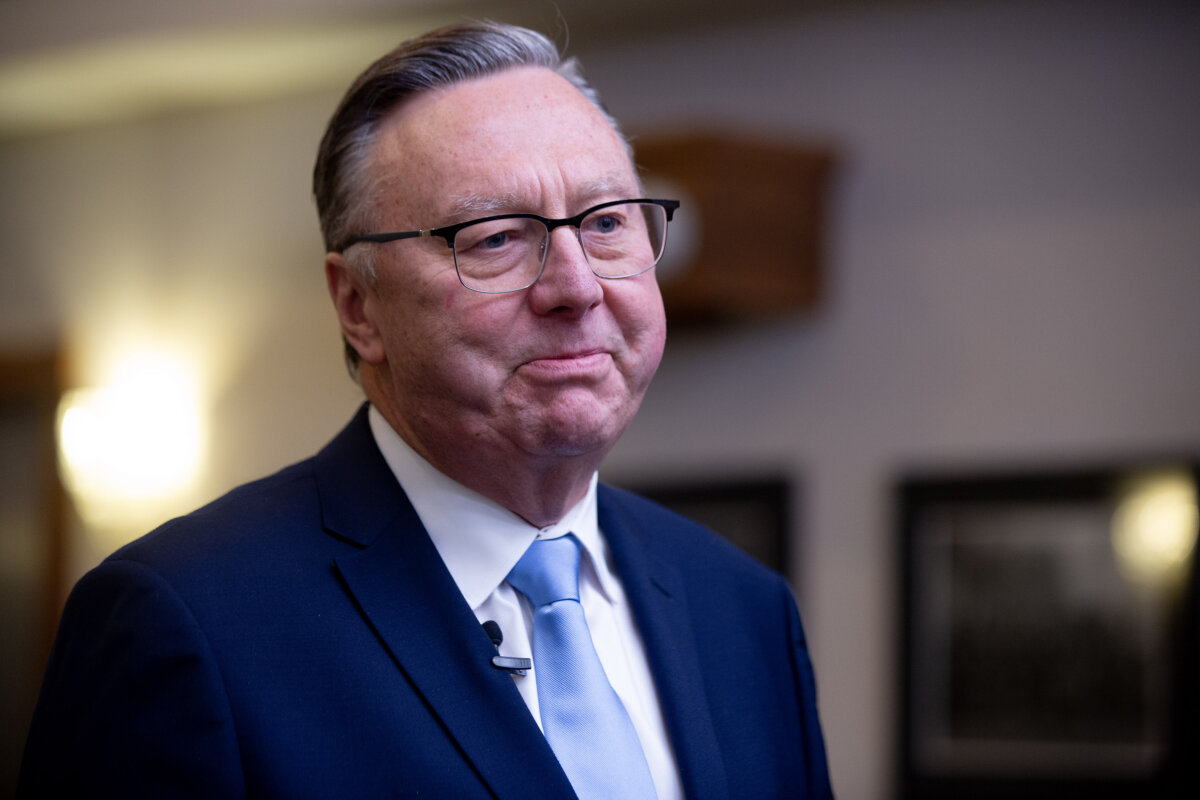
Newfoundland and Labrador Premier Tony Wakeham also called on the federal government to “further engage” provinces and territories on the firearms buyback issue, and to re-allocate the resources allotted for the buyback program “toward reducing crime, drug-related violence, and repeat offenders.”
“Decisions are being made at a federal level that are isolated from legitimate civilian use of firearms. The Federal Government should focus on criminals, not law-abiding hunters and our way of life,” Wakeham said in the statement.
The province’s justice and public safety minister, Helen Conway Ottenheimer, also said she is “not convinced” that the program would enhance public safety and that there are many “legal and legitimate” uses for firearms.
Ottawa launched the federal buyback program on Jan. 19, giving eligible gun owners until March 31 to make an online declaration to receive compensation for a banned firearm. The government has noted that submitting a declaration “does not guarantee” compensation, as declarations will be reviewed on a first-come, first-served basis and “accepted based on availability of program funds.”
Firearm owners who do not make a declaration are expected to dispose of or deactivate their banned firearms before the amnesty period ends on Oct. 30, after which those who still have banned firearms will be considered breaking the law and may face criminal charges. Ottawa has banned approximately 2,500 types of what it calls “assault-style” firearms since 2020, saying the guns were designed for warfare, not sport shooting or hunting.
Other Provinces, Police Forces
Several other provinces and territories have also said they will not participate in the program, including Alberta, Saskatchewan, Manitoba, Ontario, Yukon, and the Northwest Territories.
Multiple police forces have also declined to participate in collecting firearms from owners as well, including the Ontario Provincial Police, and the local police services in Toronto, Durham, Brantford, and Woodstock in Ontario, and the LaSalle Police Service in Quebec, citing the need to focus on responding to emergencies, preventing crime, holding offenders accountable, and supporting victims.
Currently, the only province that has agreed to comply with the program is Quebec, which signed a “financial contribution agreement” with the federal government to support the program’s implementation.
The local police forces in Cape Breton and Winnipeg have also signed agreements with Ottawa to implement the program in their local jurisdictions.
Gun control groups, lobbyists, and policy experts have questioned whether the low participation in the federal government’s recent pilot program for the buyback last fall signals challenges for the broader rollout.
While the government said it had intended to collect 200 guns from licensed owners in Cape Breton, Nova Scotia, during the pilot, Public Safety Canada reported collecting only 25 firearms, which were turned in by 16 participants.
 Friends Read Free
Copy
Facebook
Tweet
Friends Read Free
Copy
Facebook
Tweet