
News Analysis
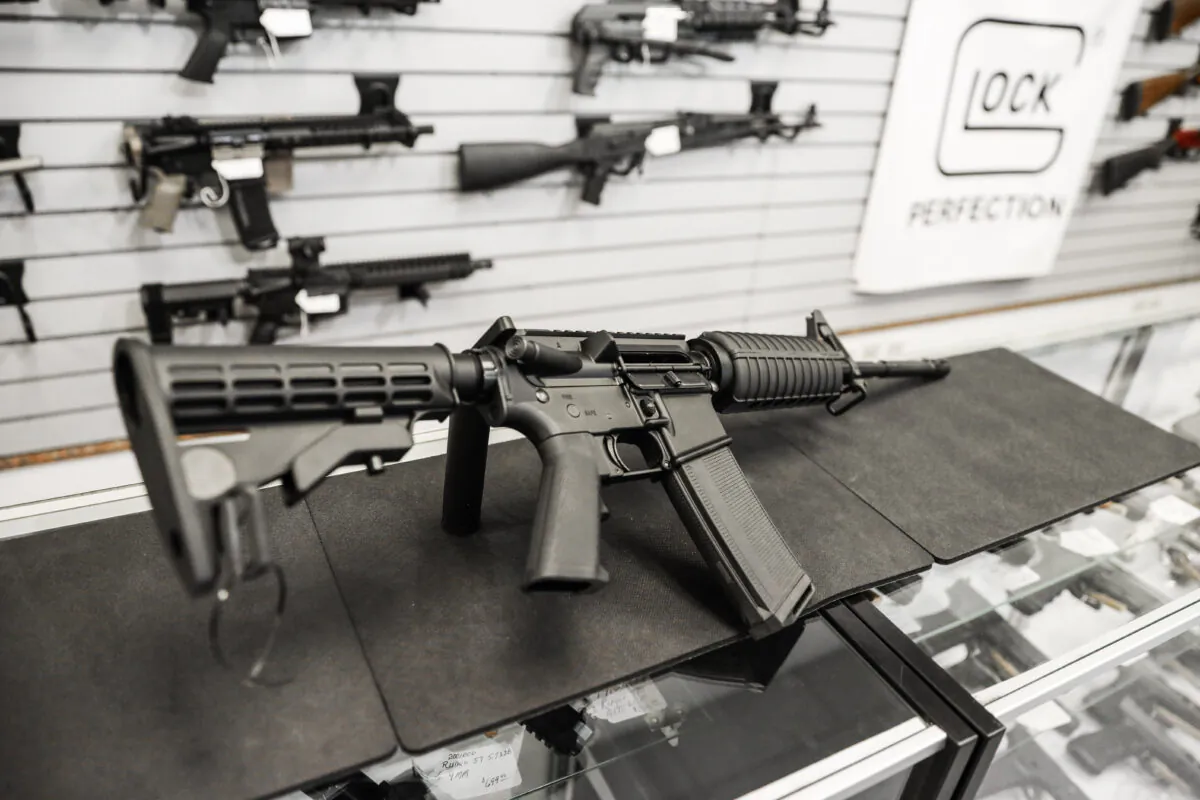
As the federal government prepares to expand its gun buyback program nationwide in the coming weeks, gun control groups, lobbyists, and policy experts are questioning whether the low participation in last fall’s pilot program signals challenges for the broader rollout.
The Liberal government’s gun buyback program is expected to be rolled out across the country for individual firearms owners “in the coming weeks,” Public Safety Canada said on Jan. 7, following the release of its six-week pilot program results.
Ottawa launched the initial pilot for the buyback program in Cape Breton, Nova Scotia, in September 2025, in an effort to “test the program’s processes and systems” before launching it nationwide.
While the government said it had intended to collect 200 guns from licensed owners in Cape Breton, Public Safety Canada reported that a total of just 25 firearms were collected during the pilot. A spokesperson for the public safety department told The Epoch Times that those 25 firearms were turned in by 16 participants, who were paid a total of $26,535 in compensation.
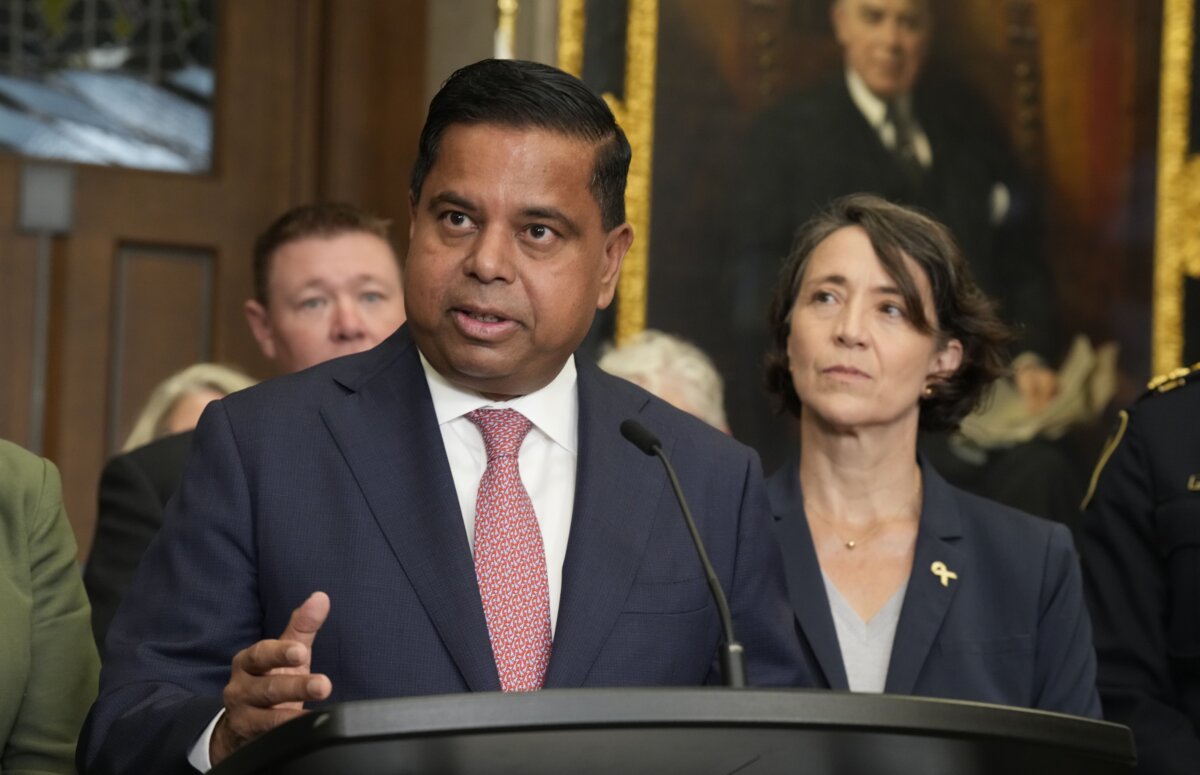
Public Safety Minister Gary Anandasangaree told reporters on Jan. 12 that the pilot was “successful” as it had aimed to test the program’s capabilities and it resulted in “a number of issues” being corrected.
“The pilot was never to test the quantitative aspect of the program,” Anandasangaree said. “It [was] much more to look at the systemic issues that may occur.”
The minister said that despite the low turnout for the pilot program in Cape Breton, he believes Ottawa is “well poised to be able to launch the program in the coming weeks.”
Pushback
Tory Opposition Leader Pierre Poilievre has called the buyback program an attempt to take firearms away from “law-abiding” hunters and sports shooters while failing to address illegal firearms most often used in crimes.
Tory MP Frank Caputo, who serves as his party’s public safety critic, has previously called the buyback program “an incredible boondoggle,” and criticized Anandasangaree over his leaked conversation last September in which he expressed doubts about the program.
The provinces of Alberta and Saskatchewan have said they are opposed to the program, and have instructed their police forces not to enforce it, as has the recently elected government in the Yukon. The Ontario Provincial Police has also said it will not take part in the enforcement of the program.
Meanwhile, the British Columbia Association of Police Chiefs has pledged its support for the program, but has also raised concerns about the current case management system not being ready in time to allow for the necessary training or deployment before the amnesty period ends in October, according to a report by the National Post.
Canadian Police Association president Tom Stamatakis told MPs at a House of Commons justice committee meeting in September 2025 that police forces would have challenges enforcing the buyback program due to a lack of resources, and said funding used to facilitate the program could be “more effective” if put to other uses.
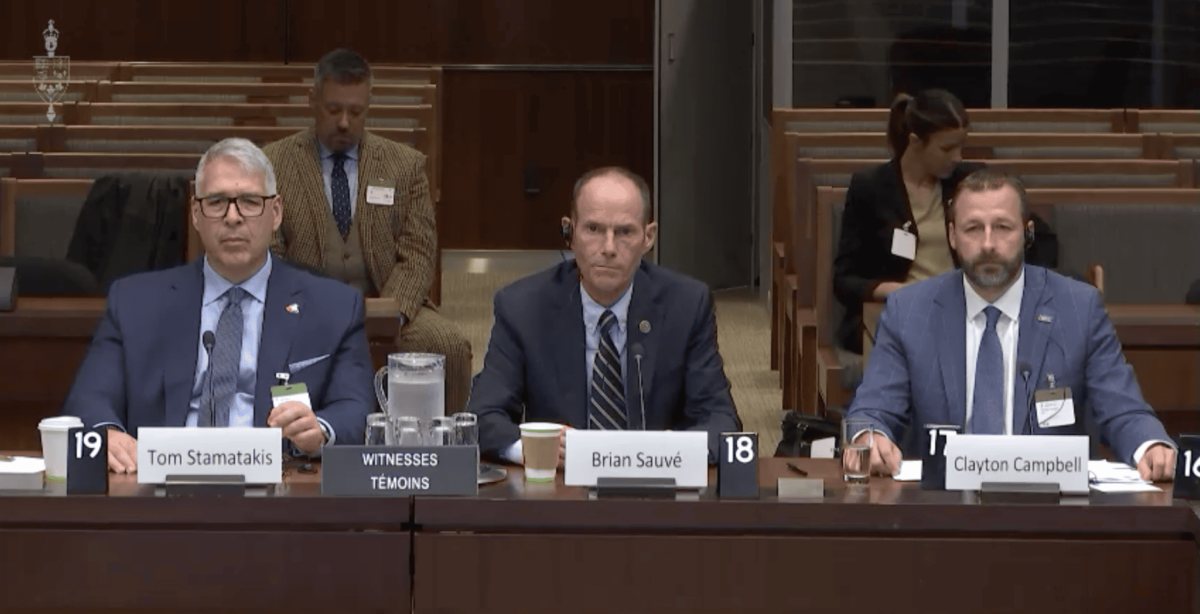
National Police Federation president Brian Sauvé, who also attended the committee meeting, said the government’s focus should be on stopping illegal gun smuggling if the aim is to reduce crime in Canada.
Despite the pushback from certain provinces and police forces, Anandasangaree told reporters on Jan. 12 that the plan is still to launch the program across the country in the coming weeks.
“The province of Quebec signed on to the program with the SQ [Sûreté du Québec] just last week. We have the RCMP who [are] ready to do their work. We have a number of other means by which we could collect the firearms that are prohibited,” he said.
The minister announced on Jan. 7 a “financial contribution agreement” that will support the implementation of the buyback program in Quebec. The province has maintained its own firearms registry.
The Quebec Public Safety Department told The Epoch Times that data contained in the Quebec registry would not be used for the implementation of the federal buyback program. The department, however, said it could use the data to enforce the province’s legislation on firearms registration, including by communicating with firearm owners affected by the prohibition to tell them which firearms they possess are no longer considered non-restricted by Ottawa.
Was the Pilot a Success?
The buyback program has drawn criticism from both sides of the debate, including gun-control advocates and gun-rights supporters.
Heidi Rathjen, coordinator of PolyRemembers—a gun control group formed after the 1989 École Polytechnique shooting—told The Epoch Times that since the pilot program aimed to ensure the system is effective, it can be called a success.
In terms of the turnout for the pilot program, she said she has concerns about gun lobbyists spreading “disinformation” to discourage gun owners from participating in the buyback and provincial governments from endorsing or contributing to the program.
“The prohibitions in the buyback target a very specific type of weapon, and even once completed, there would still be over, or close to, 20,000 models of firearms that would be available on the market that are legitimate for hunting and target practice,” Rathjen said.
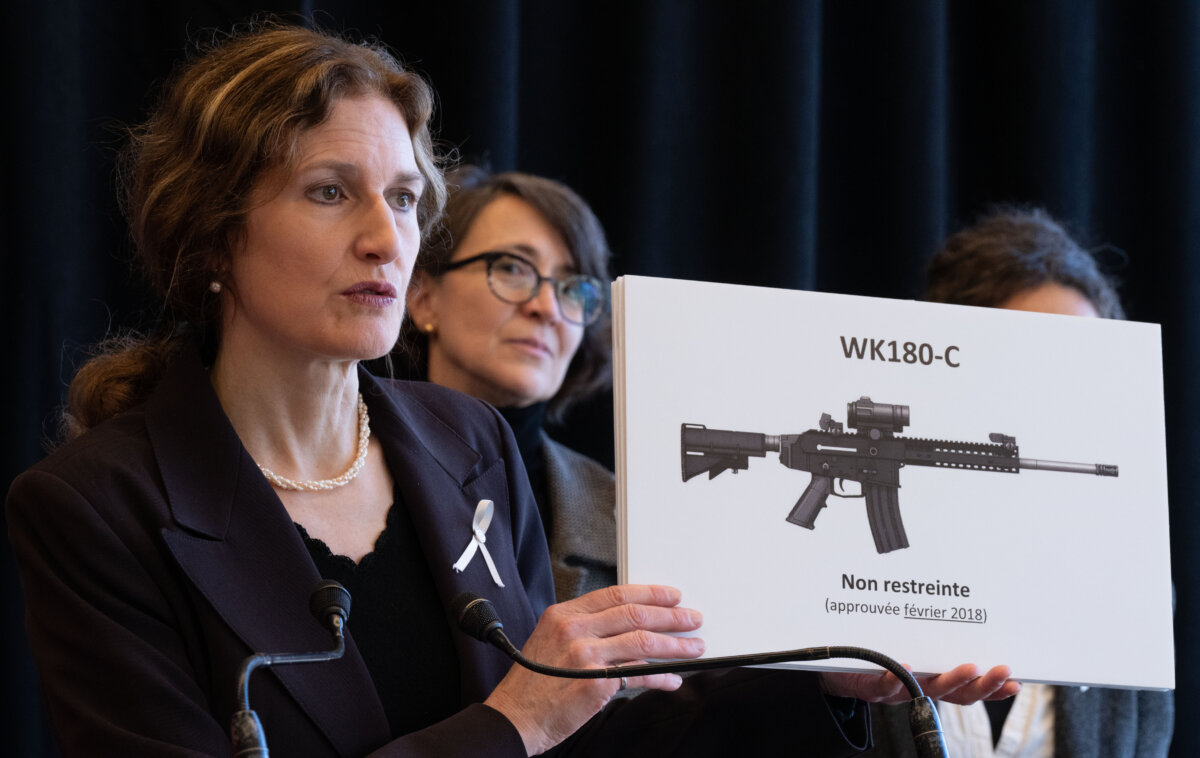
She also noted that gun control groups have been waiting for the launch of the firearms buyback program for nearly six years, as the measures were initially announced under the Trudeau government in 2020. Rathjen said the program was expected to be completed by 2022 at the time, and it was again promised in the last election by Prime Minister Mark Carney.
She also said “one glaring flaw” with the buyback program is that it does not include the SKS firearm. Rathjen also said Canada needs to tighten its limits on magazine size, especially for long guns, to weaken the capability of shooting many people rapidly.
Meanwhile, Tracey Wilson, vice president for public relations at gun advocacy group Canadian Coalition of Firearm Rights, told The Epoch Times that in her view the buyback program is “failing.” She said collecting only 25 firearms in the pilot is “beyond pathetic and clarifies why they took so long to come forward with the numbers.”
She also said she doesn’t expect many Canadians will come forward to turn in their firearms when the program is rolled out nationally, noting that participants are not “guaranteed” compensation.
“Carney needs to listen to law enforcement, take control of the situation now, scrap this gun grab entirely and regain some credibility on the public safety file by refocusing his efforts and resources on crime, violence and gun smuggling,” Wilson said.
Wilson previously told The Epoch Times that Canada’s sports shooting sector is harmed by gun control legislation despite its “long, storied history of marksmanship and Olympic excellence on the world stage.” She said legislation should instead focus on gang violence and illegal gun smuggling by criminal networks.
‘Serious Messaging Errors’
Noah Schwartz, assistant political science professor at the University of the Fraser Valley and firearms policy researcher, told The Epoch Times on Jan. 13 that he suspects the buyback program will have a low turnout like the pilot did, due to resistance from the Western provinces, “messaging failures” by the Liberal government, and “a lack of trust” in the government from Canada’s community of licensed gun owners.
“A low turnout is worse than no ban and buyback at all, as the now valueless firearms could be more likely to end up on the grey or black market,” Schwartz said.
Schwartz said that the government has made “serious messaging errors” regarding the program that have eroded public trust, including when Anandasangaree was caught on tape admitting the program is “politically motivated.”
Additionally, the government has “quietly expanded” the list of banned firearms since 2020, meaning many gun owners may not know they own a prohibited firearm, Schwartz noted.
He said Ottawa’s failure to carry out the program in a “timely manner” has also given time for the program to be exposed to scrutiny. Australia and New Zealand’s buyback programs were carried out within two years from their initial announcement, he added.
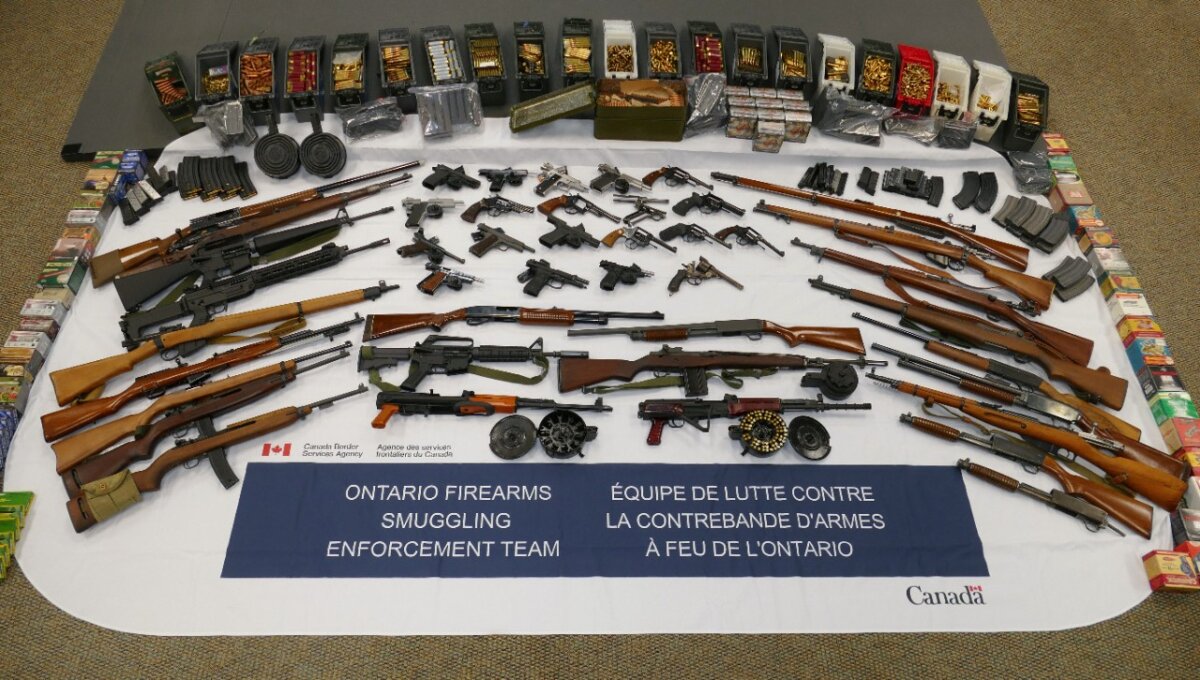
Schwartz said his research has indicated it is unlikely a firearms ban or buyback will “meaningfully improve public safety” as most crime in Canada is carried out with illegally smuggled firearms from the United States.
“Handguns are generally preferred by criminals over long guns for their portability and concealability. Since handguns have been tightly controlled in Canada for decades, criminals prefer to smuggle handguns from over the border,” he said.
He also said literature indicates programs like community policy and violence interruption programs “are more cost-effective and achieve better outcomes than gun bans.” Additionally, Schwartz said he has spoken to community workers in his research who said they need “consistent sustained funding to make these programs work.”
Schwartz also referred to polling from the Canadian Taxpayers Federation earlier this year that indicated 55 percent of Canadians said stopping illegal gun smuggling would be the most effective way to reduce gun crime.
Anandasangaree said on Jan. 12 that the issue of gun violence “doesn’t have a simplistic solution,” and the buyback program is “one of several things” the federal government is doing as part of a multi-pronged response to gun violence.
Matthew Horwood contributed to this report.
Editor’s note: the article was update with a response from the Quebec Public Safety Department.
 Friends Read Free
Copy
Facebook
Tweet
Friends Read Free
Copy
Facebook
Tweet