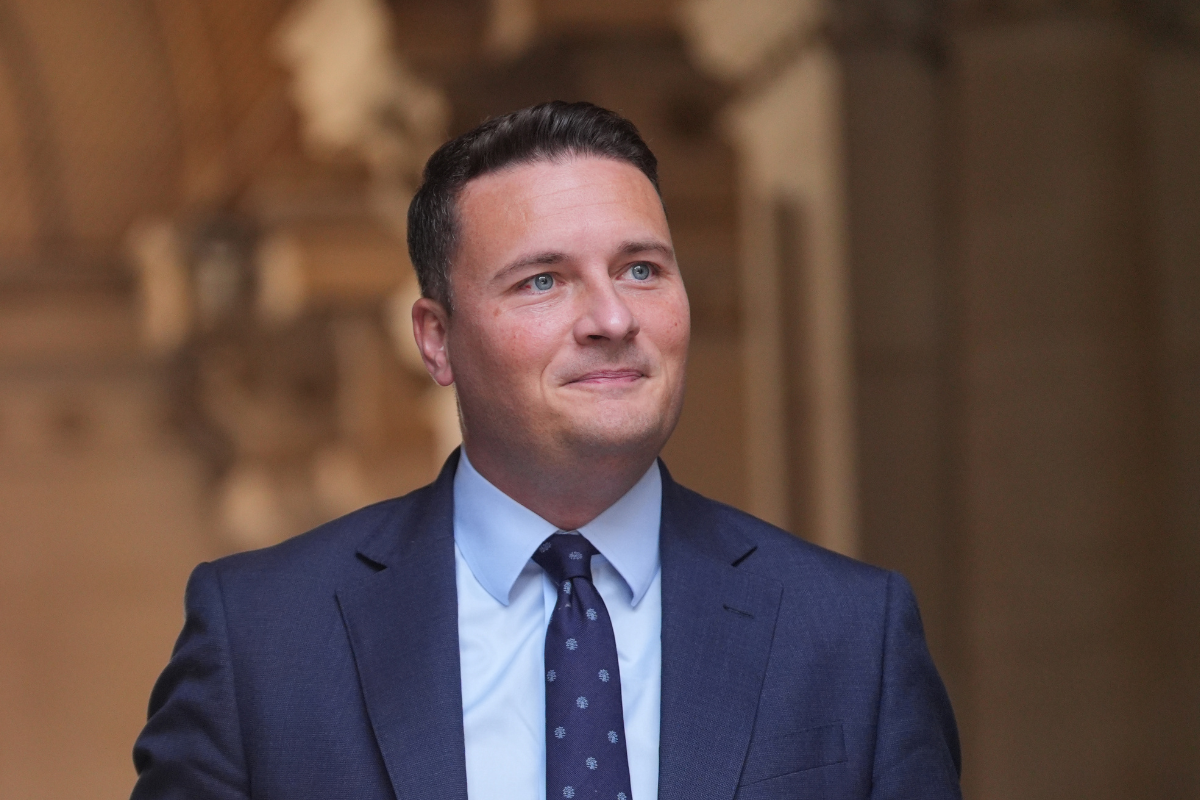

Britain’s national health service does not have the budget to implement an assisted suicide service, Health Secretary Wes Streeting said on Saturday in a social media post.
“Even with the savings that might come from assisted dying if people take up the service – and it feels uncomfortable talking about savings in this context to be honest – setting up this service will also take time and money that is in short supply,” Streeting said in a June 21 Facebook post.
“There isn’t a budget for this. Politics is about prioritising. It is a daily series of choices and trade-offs. I fear we’ve made the wrong one.”
On Friday, MPs voted by a narrow majority of 23 in favour of a bill to legalise assisted suicide in England and Wales.
In the House of Commons, 314 MPs backed the Terminally Ill Adults (End of Life) Bill at its third reading, while 291 MPs—including Streeting—opposed it.
The bill will now proceed to the House of Lords for further scrutiny before it can receive Royal Assent and become law.
The Department for Health and Social Care’s (DHSC) impact assessment for the bill, published last month, suggested that the government could save between £5.84 million to £59.6 million in unused end-of-life care and other health care services by the time assisted suicide has been established and running for ten years.
The government said that reducing expenditure on end-of-life care “is not stated as an objective of the policy.”
Streeting said the government is neutral on the bill, and the DHSC will continue to work with MPs on the technical aspects of the proposed legislation.
With a maximum four-year implementation period, it could take until 2029 for the first people to access medically assisted suicide.
According to the impact assessment, the total number of applicants in the first year could range from 273 to 1,078, rising to between 1,737 and 7,598 in the tenth year.
Streeting was one of the first ministers to voice personal objections to legalising assisted suicide when the bill was introduced to Parliament last year.
Among his concerns was the lack of adequate and universal palliative care treatment, which he said meant those facing terminal illnesses would not have a real choice between assisted suicide and end-of-life care.
He addressed “the risks that come with this Bill” again on Saturday, quoting former British prime minister Gordon Brown, who wrote last week in the Guardian that there is “no effective freedom to choose if the alternative option, the freedom to draw on high-quality end-of-life care, is not available.”
“He is right,” Streeting said.
‘Broken’ NHS
In July 2024, Streeting described the NHS as “broken” and failing patients daily. The government has since embarked on a strategy to reform the NHS through a 10-year health plan.
According to the impact assessment, the total cost for the Voluntary Assisted Dying Commissioner and panel—which would review and approve applications for medic-assisted death—is estimated to be between £10.9 million and £13.6 million every year.
Training costs for those involved in the process are expected to be anywhere between £1.23 million and £11.4 million in the first six months of the service being available.
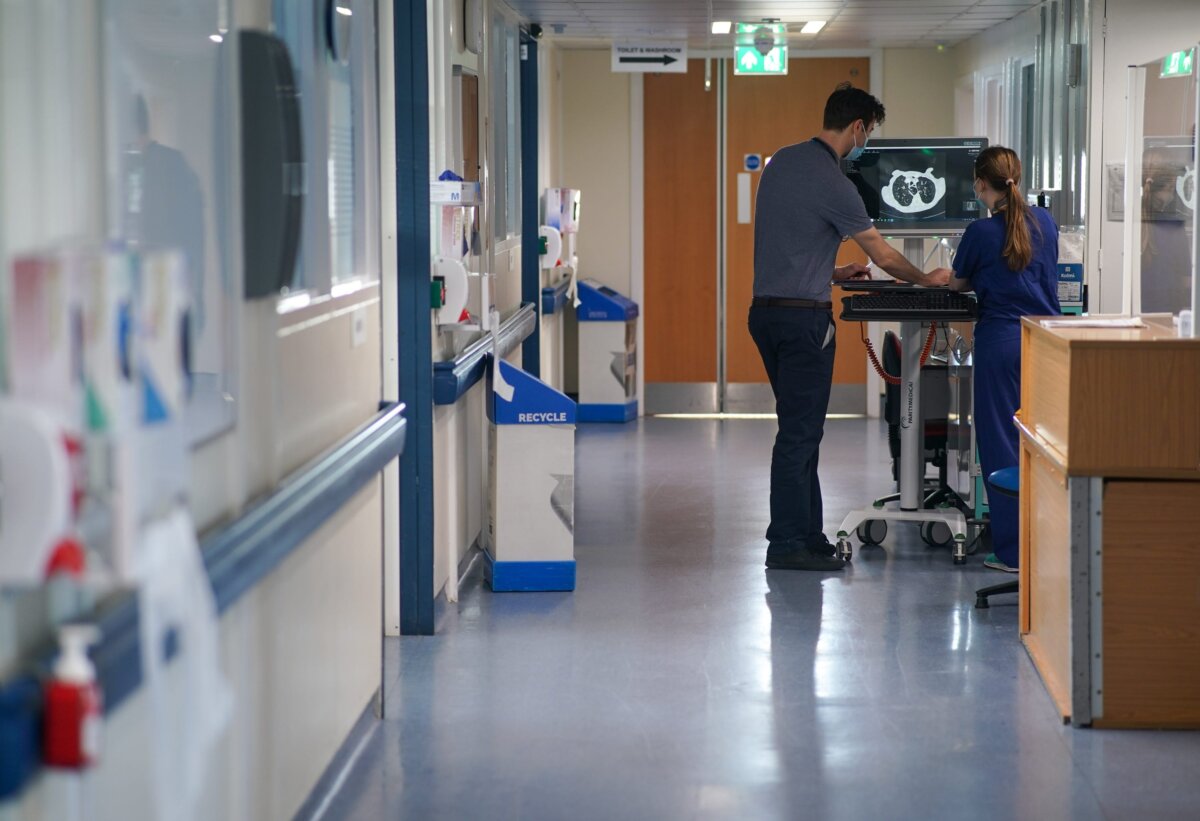
The assessment noted that “it has not been possible” to estimate the full implementation costs because it could also include other unaccounted-for costs such as recruitment, IT, and capital and resource expenditure.
The Royal College of Physicians (RCP) said on May 15 that the impact assessment significantly underestimated medical costs—notably that it calculated costs based on a salary between a junior doctor and a consultant—and said only senior doctors, such as consultants or GPs, should be involved in the service.
The RCP added that there was no analysis of how it would affect the palliative care workforce or funding.
 Friends Read Free
Copy
Facebook
Tweet
Friends Read Free
Copy
Facebook
Tweet