
The number of U.S. troops wounded during the Iran war has risen to about 200, Central Command (CENTCOM) said on March 16.
CENTCOM said 10 of those were serious in nature, but the vast majority had minor wounds, and 180 military service personnel who had been injured have already returned to duty.
Injuries were incurred in Bahrain, Iraq, Israel, Jordan, Kuwait, Saudi Arabia, and the United Arab Emirates, according to CENTCOM.
In total, 13 U.S. troops have been killed since the United States and Israel launched a joint military mission on Feb. 28 against Iran.
The first six U.S. combat fatalities of the conflict occurred on March 1 in an Iranian drone strike on a U.S. Tactical Operations Center in Port Shuaiba, Kuwait.
The six U.S. Army Reserve soldiers were: Maj. Jeffrey R. O’Brien, 45; Chief Warrant Officer 3 Robert M. Marzan, 54; Capt. Cody Khork, 35; Sgt. 1st Class Nicole Amor, 39; Sgt. 1st Class Noah Tietjens, 42; and Sgt. Declan Coady, 20.
All were assigned to the 103rd Sustainment Command based in Des Moines, Iowa. They were deployed to Kuwait in support of Operation Epic Fury.
A seventh fatality occurred on March 8, when Sgt. Benjamin Pennington, 26, died from wounds sustained during an Iranian attack on March 1 at Prince Sultan Air Base in Saudi Arabia. Pennington was assigned to the First Space Battalion, First Space Brigade at Fort Carson, Colorado.
On March 12, six airmen were killed when their KC-135 Stratotanker aerial refueling craft crashed over western Iraq.
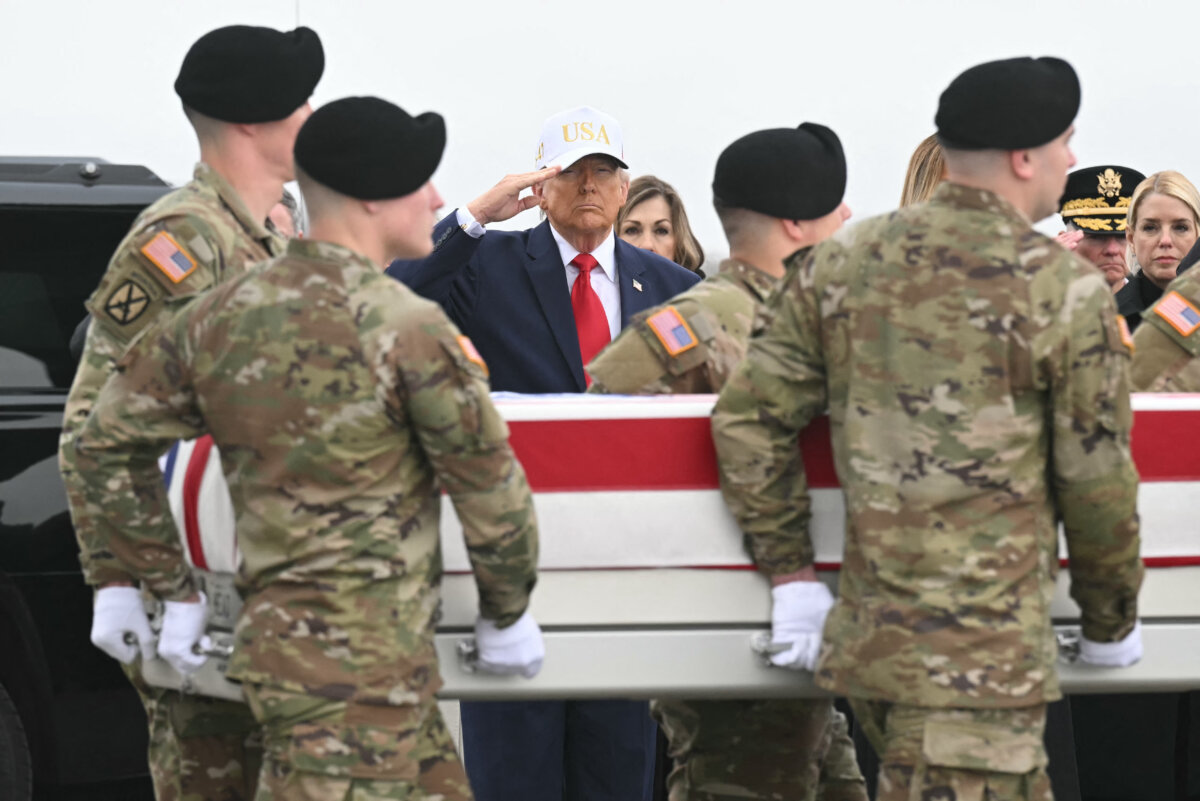
The flight crew consisted of Maj. John A. Klinner, 33; Capt. Ariana G. Savino, 31; Capt. Seth R. Koval, 38; Capt. Curtis J. Angst, 30; Tech. Sgt. Ashley B. Pruitt, 34, and Tech. Sgt. Tyler H. Simmons, 28.
Klinner, Savino, and Pruitt were assigned to the Sixth Air Refueling Wing, based out of MacDill Air Force Base, Florida.
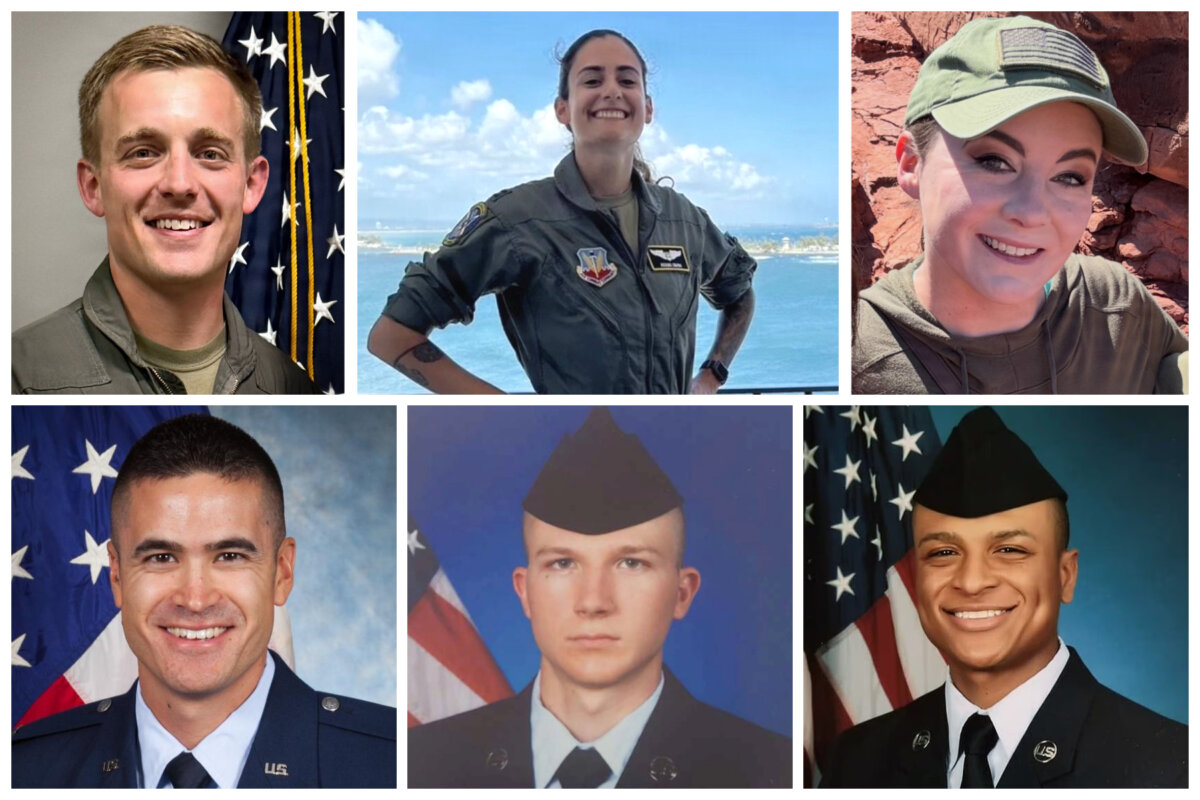
Koval, Angst, and Simmons were assigned to the 121st Air Refueling Wing, an Ohio Air National Guard unit based out of Rickenbacker Air National Guard Base, Ohio.
Their KC-135 aerial refueling aircraft went down during an incident involving a second KC-135. The second aircraft landed safely in Israel.
More Than 7,000 Targets Struck
CENTCOM on March 16 also provided an update on Operation Epic Fury, the United States’ mission, which is operating alongside Israel’s Operation Roaring Lion.
The command said in a post on X that since the beginning of the Iran war, the U.S. military has struck more than 7,000 targets, conducting more than 6,500 combat flights. So far, more than 100 Iranian vessels have been damaged or destroyed, according to CENTOM.
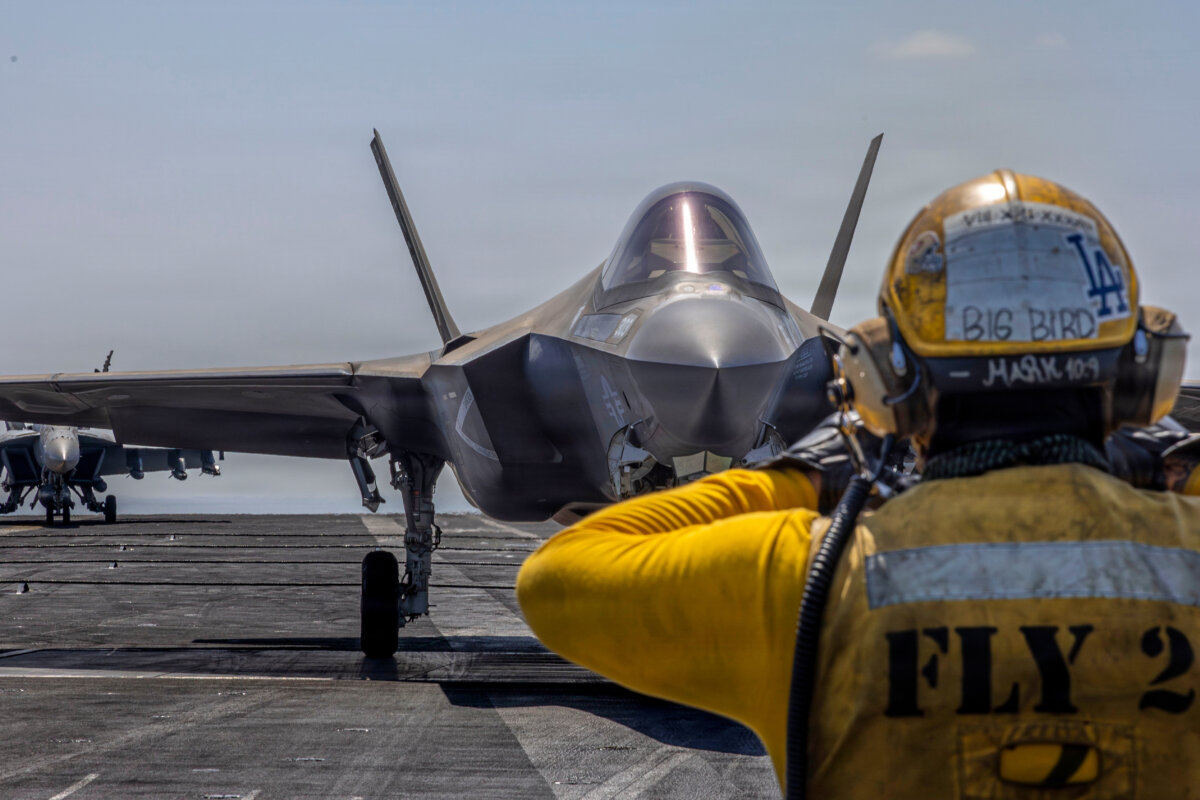
It detailed that air assets used to conduct the operation included B-1 Lancer bombers, B-2 stealth bombers, B-52 bombers, and F-35 stealth fighters, as well as an assortment of other fighters, reconnaissance aircraft, and cargo and refueling craft.
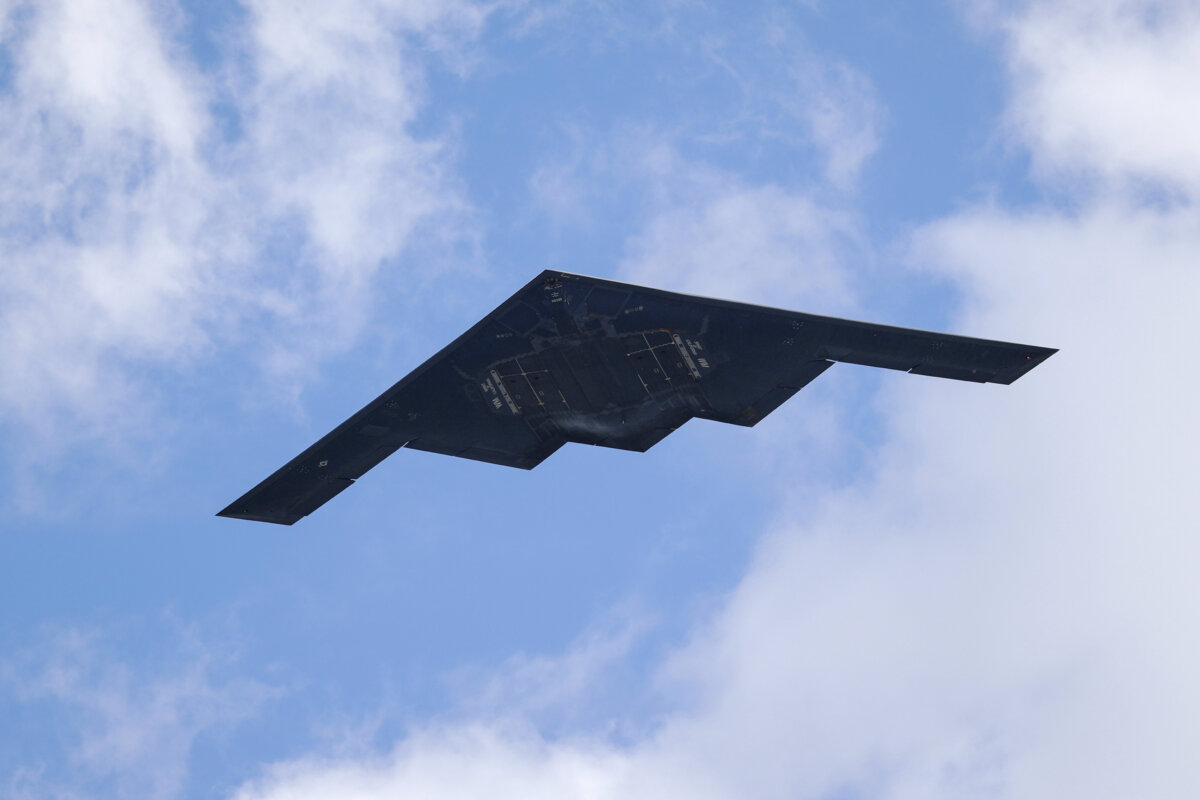
Sea and land craft and systems were also employed, including nuclear-powered aircraft carriers and submarines, and Patriot interceptor missile systems.
Targets included naval ships and submarines, ballistic missile sites, missile and drone manufacturing, and the Islamic Revolutionary Guard Corps headquarters and intelligence locations.
Ryan Morgan and Reuters contributed to this report.
 Friends Read Free
Copy
Facebook
Tweet
Friends Read Free
Copy
Facebook
Tweet