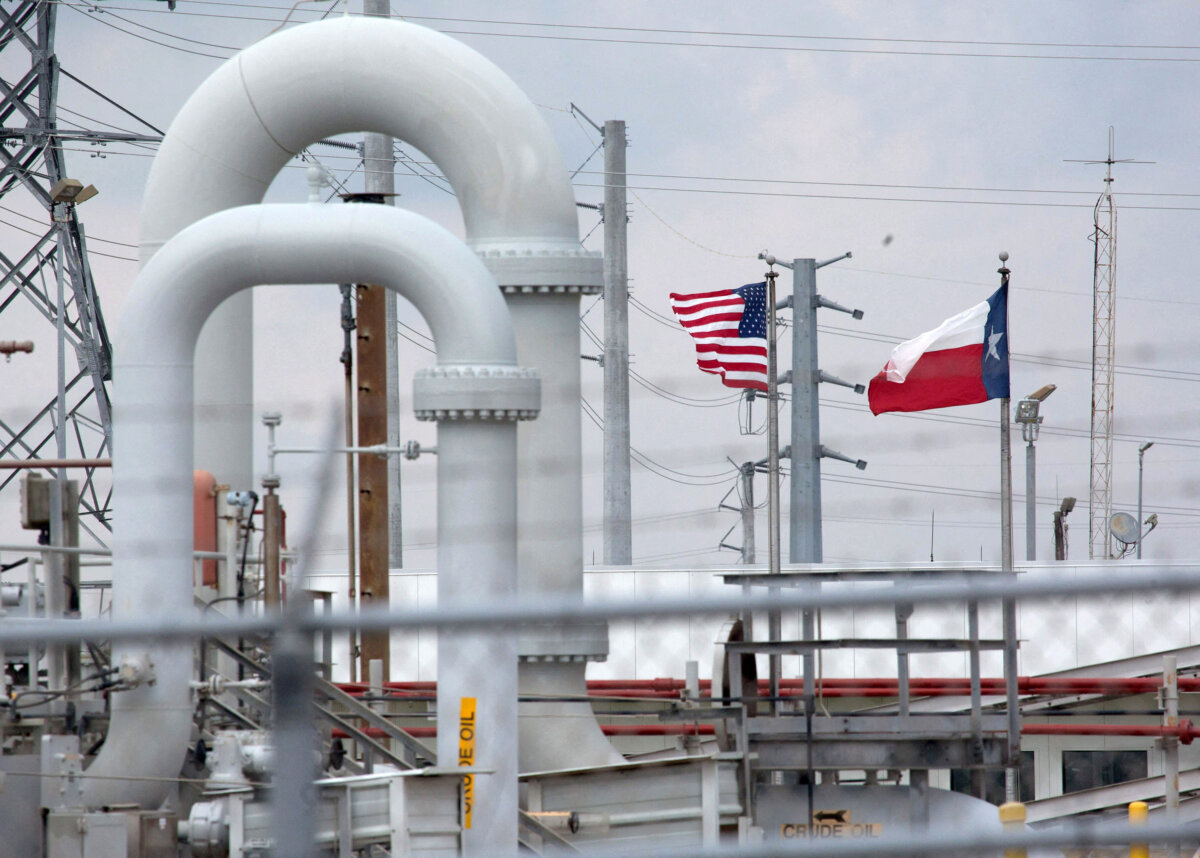

Brent oil prices exceeded $119 per barrel on March 19 after Iran attacked energy facilities in the Persian Gulf states and amid the ongoing blockade of the Strait of Hormuz.
Brent had hit a high of $119.13 but had fallen back down to $112.04, as of 8:17 a.m., according to Business Insider’s markets tracker.
This is close to the 52-week high of $119.50 per barrel from March 9 and almost double the 52-week low of $58.40 on April 9, 2025.
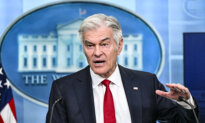
Treasury Secretary Scott Bessent said on Fox Business on March 19 that President Donald Trump was considering another oil release from the Strategic Petroleum Reserve (SPR) in order to decrease prices.
“The largest coordinated SPR release in history—400 million barrels—was approved last week, and some countries are going to do more,” Bessent said. “The U.S. could unilaterally do another SPR release to keep the price down.”
The Treasury secretary said that the administration had plans to deal with rising energy prices, citing the recent unsanctioning of Russian oil stranded in tankers, which he said released about 130 million barrels into the market.
“We created supply that is beyond the [Strait] of Hormuz. So we anticipated this,” Bessent told Fox Business anchor Maria Bartiromo.
“We knew that the there could be a temporary—and I want to emphasize, temporary—choke point there, and there was 130 million barrels of floating storage. In the coming days, we may unsanction the Iranian oil that’s on the water. It’s about 140 million barrels.”
“In essence, we will be using the Iranian barrels against the Iranians to keep the price down for the next 10 or 14 days as we continue this campaign,” he said.
The strait, linking the Persian Gulf to the Gulf of Oman, is one of the world’s most important energy chokepoints and carries approximately 20 percent of the world’s oil shipments.
Recent Attacks on Gulf
On March 18, Israel attacked the South Pars natural gas field in Asaluyeh, Bushehr Province, in southern Iran.
It is the world’s largest natural gas reserve and is shared with Qatar, where the same field is called the North Field. The South Pars field supplies a considerable share of global natural gas reserves and is critical to both Iran’s and Qatar’s economies.
Trump said the strikes on South Pars were done by Israel “out of anger for what has taken place in the Middle East” and were done without his knowledge.
Qatar Energy confirmed via its X account that on March 18, Ras Laffan Industrial City had been struck in a missile attack.
The energy company said that emergency response teams had been dispatched to contain the fires, as “extensive damage” had been caused.
Ras Laffan—the site of Qatar’s core liquefied natural gas (LNG) plants and the world’s largest—hosts several international energy companies, including Shell, the world’s biggest LNG trader.
QatarEnergy said in a post on X on March 19 that in addition to the extensive damage caused the day before, in the early hours of March 19, several LNG facilities “were the subject of missile attacks, causing sizable fires, and extensive further damage.”
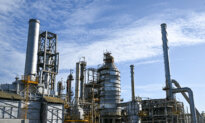
The Saudi Ministry of Defense said on March 19 that a drone had fallen on the SAMREF Aramco-Exxon refinery and that damage was being assessed. It also said it intercepted a ballistic missile that was heading toward Yanbu, the port city where the refinery is located, which is Saudi Arabia’s only outlet for crude exports.
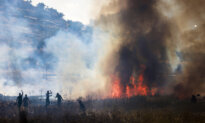
Kuwait Petroleum Corp. said in a post on X that refineries at Mina Abdullah and Mina al-Ahmadi had been attacked by drones, resulting in fires at both sites.
Kimberly Hayek and Reuters contributed to this report.
 Friends Read Free
Copy
Facebook
Tweet
Friends Read Free
Copy
Facebook
Tweet