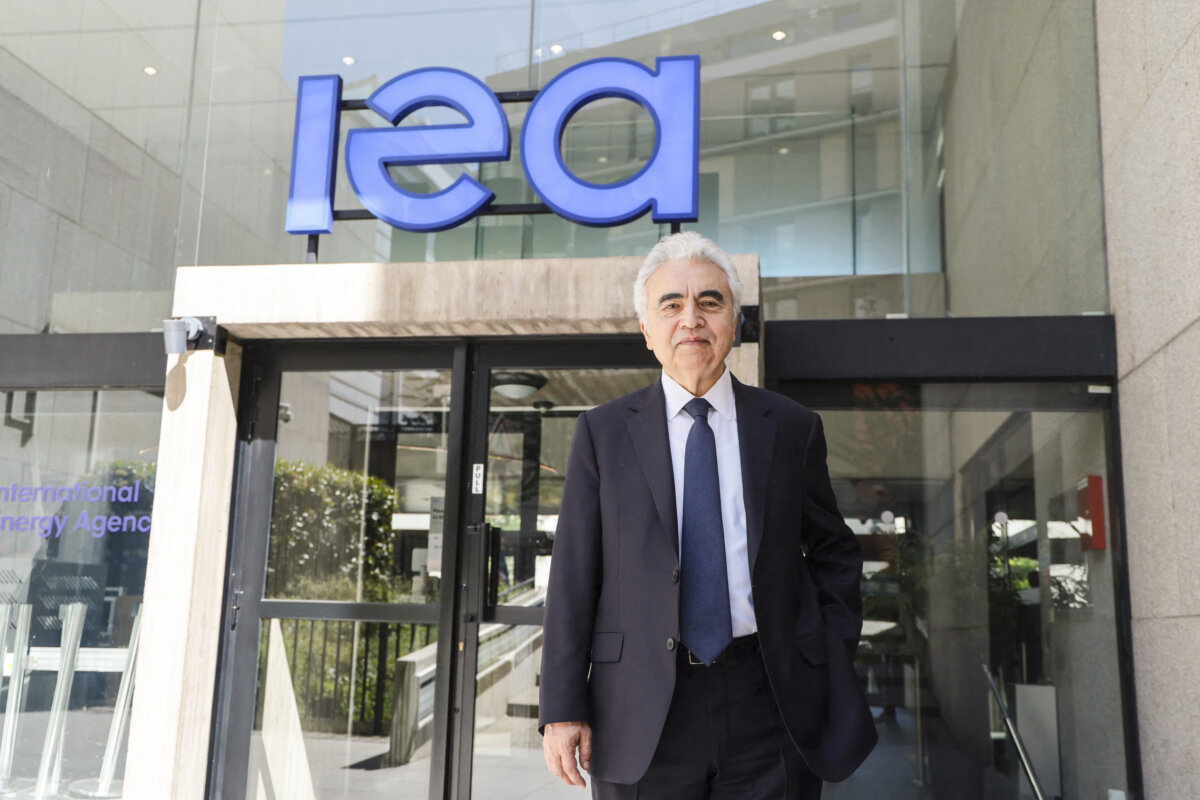

The start of summer travel season this year could trigger a global energy crisis if the Strait of Hormuz remains closed and Middle East oil supplies continue to deplete, the head of the International Energy Agency (IEA) predicted on May 21.
“We may be entering the red zone in July or August if we don’t see that there are some improvements in the situation,” IEA Executive Director Fatih Birol said in a speech at Chatham House in London, in reference to the oil supply crisis resulting from the Iran war.
The destruction of some energy infrastructure and Iran’s closure of the Strait of Hormuz—a vital route for about 20 percent of the world’s petroleum—has removed more than 14 million barrels of oil a day from the Middle East.
The per-day loss of petroleum in the market is larger than all three prior energy crises in history—the 1973 oil embargo by Arab countries against the United States, the 1979 crisis caused by the Iranian revolution, and the 2022 energy crisis caused by the Russia–Ukraine war—Birol said.
The oil market had a substantial surplus, or buffer, of oil supply to “absorb the shock” of the war from the start, but much of that was released to the markets. Industry also had extra stock that is now being used, according to Birol.
But that isn’t the solution, he said.
“The single most important solution to the problem is fully and unconditional opening of the Strait of Hormuz,” Birol said.
The Paris-based IEA, established in response to the first energy crisis in 1974, also released an update to its Energy Crisis Policy Tracker online tool that monitors government actions taken in response to the energy market impacts of the conflict in the Middle East.
The price of West Texas Intermediate (WTI) crude dropped below $100 a barrel by the afternoon of May 21 to $97.58. Brent Crude also dipped to $104.15 a barrel, according to OilPrice.com.
United Arab Emirates Minister of Industry Sultan Ahmed Al Jaber, who is Abu Dhabi National Oil Company’s CEO, also publicly warned May 20 that oil flows from the Persian Gulf will remain severely disrupted until at least mid-2027.
“Even if this conflict ends tomorrow, it will take at least four months to get back to 80 percent of pre-conflict flows, and full flows will not return before the first or even second quarter of 2027,” Al Jaber said during a virtual Atlantic Council conversation about global energy markets on May 20.
Al Jaber said Iran’s continued obstruction of the Strait of Hormuz was a security issue that needed to be resolved immediately.

“This is not just an economic problem. In fact, this sets a dangerous precedent,” Al Jaber said. “Once you accept that a single country can hold the world’s most important waterway hostage, freedom of navigation as we know it is just finished.
“If we don’t defend this principal today, we will spend the next decade defending against the consequences.”
President Donald Trump said on May 20 the United States was prepared to resume attacks on Iran within days if negotiations didn’t move ahead in a positive direction.
“Believe me, if we don’t get the right answers, it goes very quickly,” Trump told the press at Joint Base Andrews in Maryland. “We’re all ready to go.”
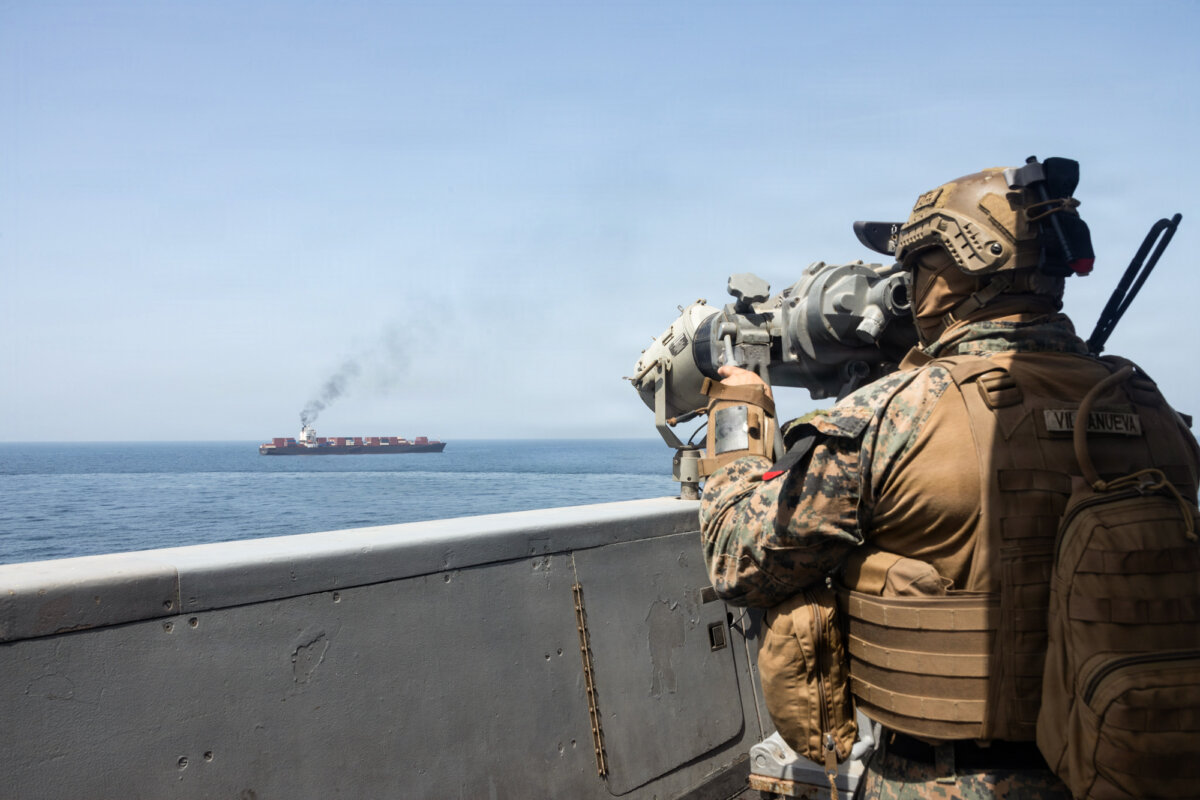
The situation remains unstable six weeks after the United States paused Operation Epic Fury after a ceasefire agreement.
The United States is actively releasing 172 million barrels of crude oil from the Strategic Petroleum Reserve in a coordinated effort with the IEA to calm the markets, but prices at the gas pump were hitting consumers in the pocketbook ahead of the Memorial Day weekend.
The average price for a gallon of regular gas in the United States reached $4.56 on May 21, with every state’s average gallon cost climbing over the $4 a gallon mark, according to the American Automobile Association.
 Friends Read Free
Copy
Facebook
Tweet
Friends Read Free
Copy
Facebook
Tweet