Oil prices jumped back toward the $100-per-barrel mark on March 12 despite a coordinated release of strategic reserves by the United States and its allies, as Iranian attacks on oil and transport infrastructure across the Middle East intensified fears of supply disruptions through the Strait of Hormuz and a prolonged regional conflict.
Brent futures climbed $5.95, or 6.47 percent, to $97.93 a barrel at 5:15 a.m. ET, having hit $100 per barrel in earlier trading, while U.S. West Texas Intermediate crude was up $5.25, or 6 percent, to $92.50.
Earlier in the week, Brent surged to $119.50 a barrel on March 9—its highest level since mid-2022—before retreating after U.S. President Donald Trump said the war with Iran could end soon.
In an effort to cap prices, the International Energy Agency (IEA) on March 11 agreed to release a record 400 million barrels of oil from strategic reserves, with the United States contributing 172 million barrels.
Strait of Hormuz Disruptions
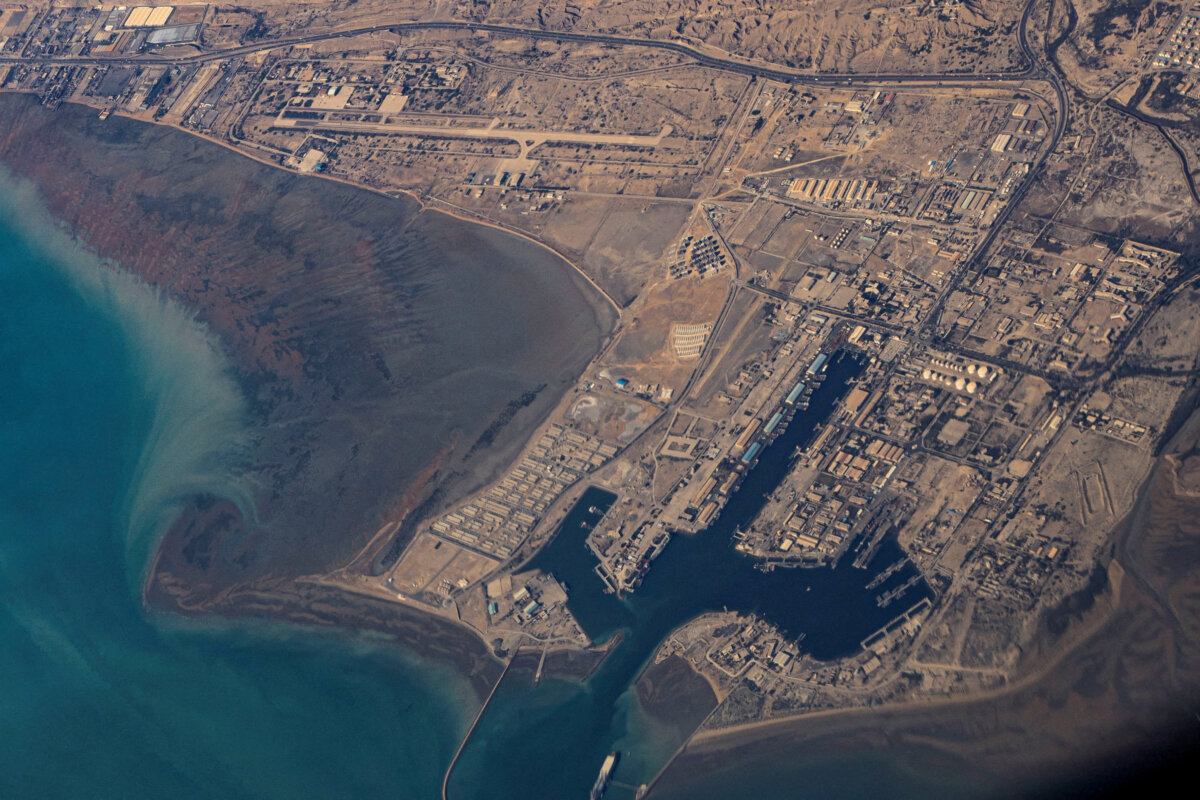
Roughly one-fifth of global oil flows through the Strait of Hormuz along Iran’s coast, one of the world’s most critical maritime chokepoints. Analysts say an effective blockade by Iran has created the most severe disruption to global energy supplies since the oil shocks of the 1970s.
Iranian military officials on March 9 vowed to block oil shipments through Hormuz until U.S. and Israeli attacks end. Expanding on that threat, a spokesperson for Iran’s military command predicted on March 11 that crude prices would surge as a result of Tehran’s actions while Iranian forces continued targeting merchant vessels.
“Get ready for oil to be $200 a barrel, because the oil price depends on regional security, which you have destabilized,” Ebrahim Zolfaqari, spokesperson for Iran’s military command, said in comments addressed to the United States.
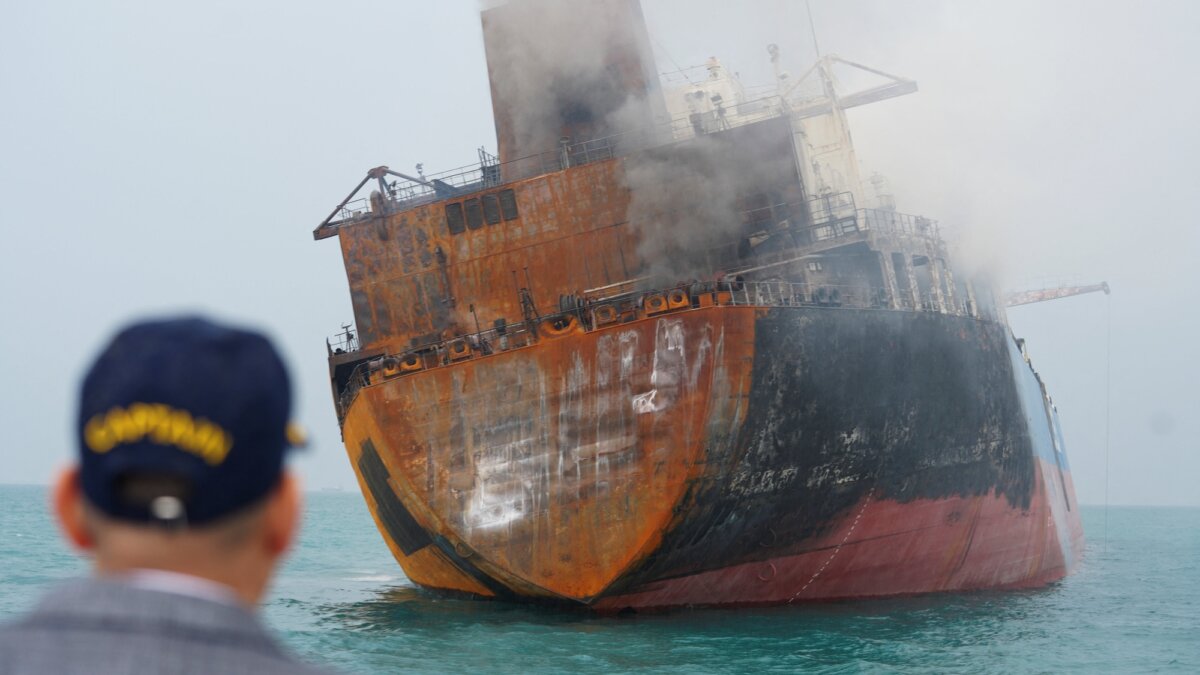
Following Zolfaqari’s remarks, three more merchant ships were struck in the Gulf by unknown projectiles, raising the number of ships hit since the war began to at least 13, according to maritime security officials. Later, explosive-laden Iranian boats attacked two fuel tankers in Iraqi waters, setting them ablaze and killing one crew member.
ING analysts said in a March 12 note that the lack of de-escalation in the Gulf suggests disruptions to oil flows through Hormuz could persist.
“The only way to see oil prices trade lower on a sustained basis is by getting oil flowing through the Strait of Hormuz,” ING said. “Failing to do so means that the market highs are still ahead of us.”
ING also warned that while the IEA release may provide temporary relief, questions remain about how quickly the oil will reach markets and whether it will be sufficient to stabilize supply until shipping resumes.
Other economists and market analysts have warned that prolonged disruption to oil shipments through the Strait of Hormuz could ripple through the global economy if the situation is not resolved quickly.
International Monetary Fund (IMF) Managing Director Kristalina Georgieva said in a keynote speech on March 9 that the conflict in the Middle East is testing the global economy’s resilience and urged policymakers to “think of the unthinkable and prepare for it.”
Georgieva noted that every sustained 10 percent increase in oil prices reduces global economic output by 0.1–0.2 percent and pushes inflation higher by about 40 basis points.
Fertilizer, Food Supply Risks
The disruption in the Strait of Hormuz is also reverberating beyond crude markets, with fertilizer shipments and fuel-linked supply chains increasingly affected.
Shipping analytics company Kpler said in a March 11 report that the conflict has effectively frozen fertilizer trade in the Gulf, citing port suspensions, production halts, and dozens of vessels loaded with cargo unable to leave the region. The firm observed 23 ships carrying or loading fertilizer in the Middle East Gulf, noting that only one vessel successfully transited the strait on March 7.
The United Nations has warned that the blockage could spill into global food markets. A spokesperson for U.N. Secretary-General António Guterres said on March 9 that disruptions to fertilizer supplies would likely drive up costs for farmers, ultimately increasing the price of food production worldwide.
 Friends Read Free
Copy
Facebook
Tweet
Friends Read Free
Copy
Facebook
Tweet