
Prime Minister Anthony Albanese has come under scrutiny from the opposition after missing an anticipated opportunity to meet U.S. President Donald Trump at the G7 summit.
A potential face-to-face meeting between the two leaders did not eventuate with President Trump cutting short his trip due to tensions in the Middle East.
The cancellation has prompted concerns from the federal opposition.
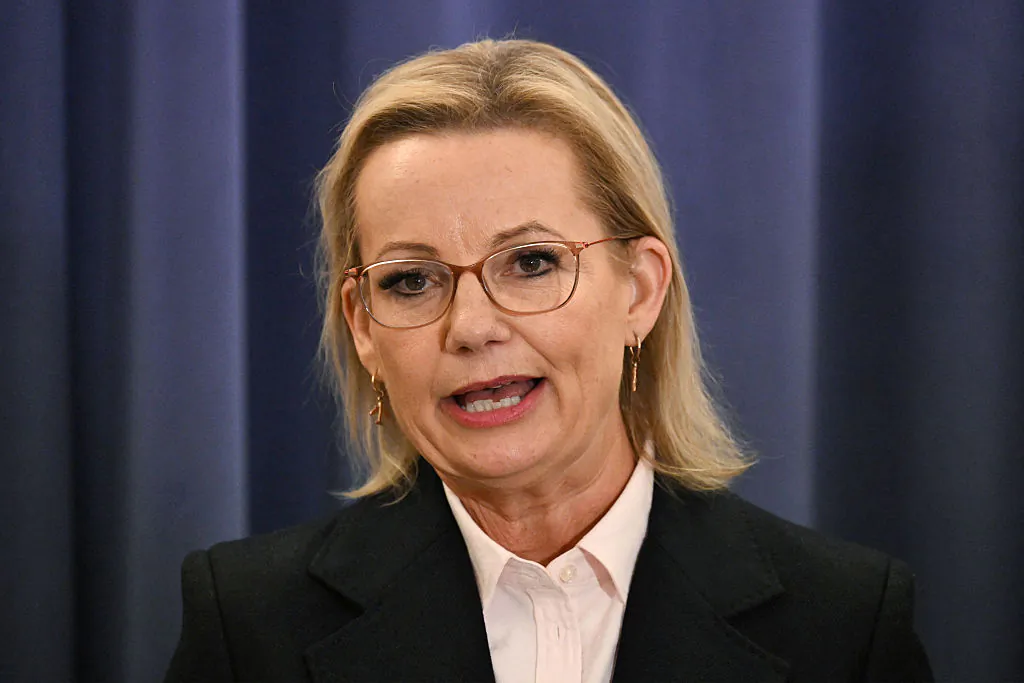
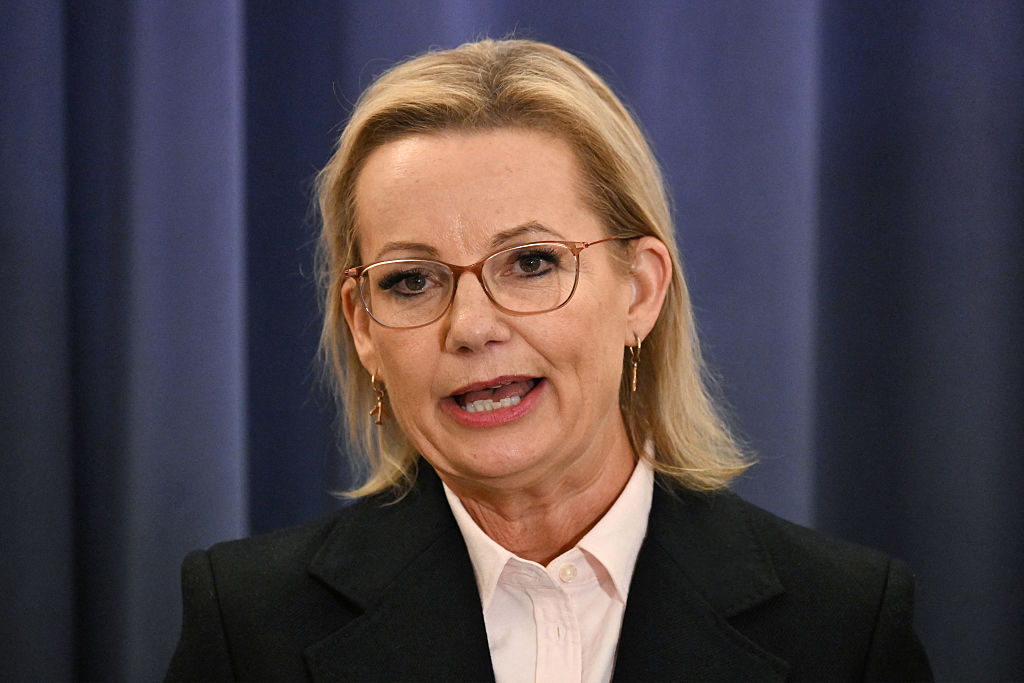
“Given global volatility and the growing list of issues in our relationship with the United States, this underscores that the Albanese government should not have merely relied on meeting with the president on the sidelines of international summits,” said Opposition Leader Sussan Ley, who suggested Albanese needed to be more proactive.
She described the cancelled meeting as a missed diplomatic opportunity.
“This was an important opportunity for the prime minister to seek assurances on AUKUS and protect Australia from tariffs,” she said in a statement.
Nonetheless, she reiterated the opposition’s willingness to cooperate with the government. “We want them to succeed.”
Trump Departs G7 Over Middle East Crisis
Hours earlier, the president’s press secretary, Karoline Leavitt, took to X to confirm Trump’s early departure from the G7.
“President Trump had a great day at the G7, even signing a major trade deal with the United Kingdom and Prime Minister Keir Starmer,” Leavitt wrote.
“Much was accomplished, but because of what’s going on in the Middle East, President Trump will be leaving tonight after dinner with Heads of State.”
An Albanese-Trump meeting was expected to cover several pressing matters, including the AUKUS security pact, which is currently under review in Washington.
Other issues include the recently imposed 10 percent “Liberation Day” tariff impacting Australia’s beef exports to the U.S., a 50 percent levy on steel and aluminium, and the potential threat of a 100 percent tariff on Hollywood productions made overseas, including in Australia.
There is also growing U.S. pressure on Australia to increase its defence spending to 3.5 percent of GDP, which Albanese has yet to commit to.
Israel has become a growing point of tension, with the United States reaffirming its support while the Labor government appears to be distancing itself from the relationship.
 Friends Read Free
Copy
Facebook
Tweet
Friends Read Free
Copy
Facebook
Tweet