
The federal government is directing the Canadian Radio-television and Telecommunications Commission (CRTC) to review its decision to triple the tax on major television streaming platforms.
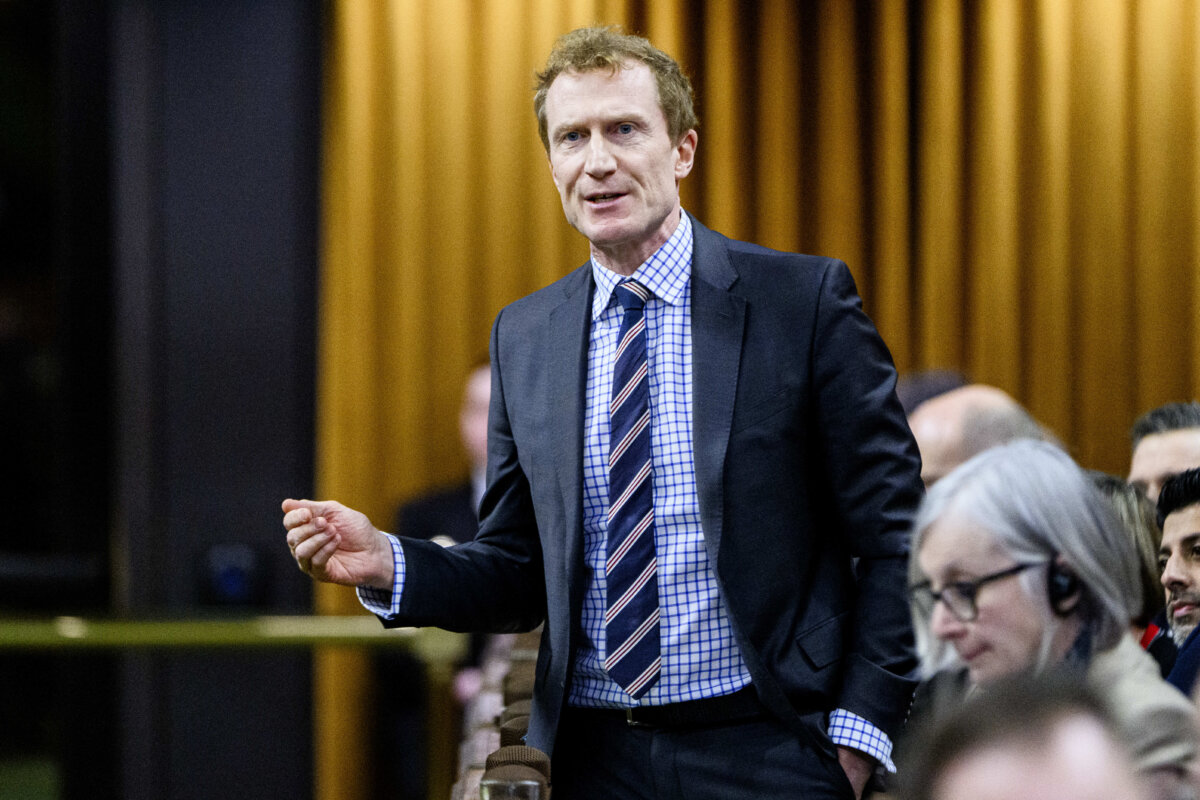
The heritage department announced on June 3 that Culture Minister Marc Miller will direct the commission to “review its recent decision to regulate online streamers and Canadian broadcasters.”
The CRTC’s implementation of the Online Streaming Act in 2024 required streaming platforms to contribute 5 percent of revenue to support Canadian and indigenous content. On May 21, the commission announced new regulations to raise the contributions to 15 percent for online broadcasters earning more than $25 million annually in Canada.
The heritage department said the new requirements would impose costs on companies that “could ultimately fall on Canadian consumers through higher prices.” The department said this was “not the time to make culture and entertainment more expensive,” given that Canadians face cost-of-living pressures.
The CRTC will be directed to focus on keeping streaming and broadcast services affordable for Canadians, protecting consumer choice, ensuring flexibility for streamers and broadcasters, and “leveraging new government investments” to maintain support for Canadian, French-language, Indigenous, and “equity-deserving” content.
Miller also announced that Ottawa will provide $600 million in investments to “provide stability and immediate support to Canada’s audio and audiovisual sectors and to keep our culture accessible and affordable for all Canadians.”
Kevin Lamoureux, parliamentary secretary to the government House leader, said last week that the Liberal government lacked the authority to direct the CRTC to use its powers under the Broadcasting Act to reject the tax increase.
He said the act only allows the federal cabinet to set aside CRTC decisions if they involve broadcast licences. While the decision on financial contributions doesn’t fall under that provision, Miller’s office had said the government was “reviewing” the decision.
The federal government’s announcement came a day after Canada-U.S. Trade Minister Dominic LeBlanc met with U.S. Trade Representative Jamieson Greer in Washington D.C., ahead of a review of the Canada-United States-Mexico Agreement (CUSMA).
U.S. Ambassador to Canada Pete Hoekstra said on June 3 that the announcement to review the CRTC’s Online Streaming tax was a “welcome” decision. He added that U.S. firms want to “invest in Canada’s creative sector, and a fair, nonburdensome framework makes that possible.”
On May 28, Hoekstra had called for Canada to repeal its law taxing major television streaming platforms, saying he met with U.S. streaming companies that warned the tax would “drive away investment and job creation in Canada’s creative sector.”
Hoekstra also said on May 22 that the CRTC was targeting and taxing U.S. companies and “worsening the investment climate for American businesses.”
The United States has flagged Canada’s Online Streaming Act as a trade irritant in advance of CUSMA discussions, while Ottawa maintains that the legislation is covered by the cultural exemption in the trade agreement.
The CRTC policy is also being challenged before the Federal Court of Appeal by several major streaming and entertainment companies, such as Apple, Amazon, Spotify, and the Motion Picture Association-Canada. Until a ruling is released, the payments have been put on hold.
Conservative Leader Pierre Poilievre sent a letter to Prime Minister Mark Carney on May 25 asking him to reverse the CRTC’s decision, which he called the “Netflix tax hike.” Poilievre said that the tax would make Canada a more expensive and less predictable place for investors and trading partners to do business, while raising costs for Canadians.
 Friends Read Free
Copy
Facebook
Tweet
Friends Read Free
Copy
Facebook
Tweet