
A leader of an extremist Muslim group that planned to bomb landmarks in downtown Toronto in the 2006 Toronto 18 terror plot has been granted full parole.
A two-member panel of the Parole Board of Canada released the decision on Oct. 16, saying Zakaria Amara, 41, no longer showed “any signs of holding onto extremist beliefs or radical ideologies.”
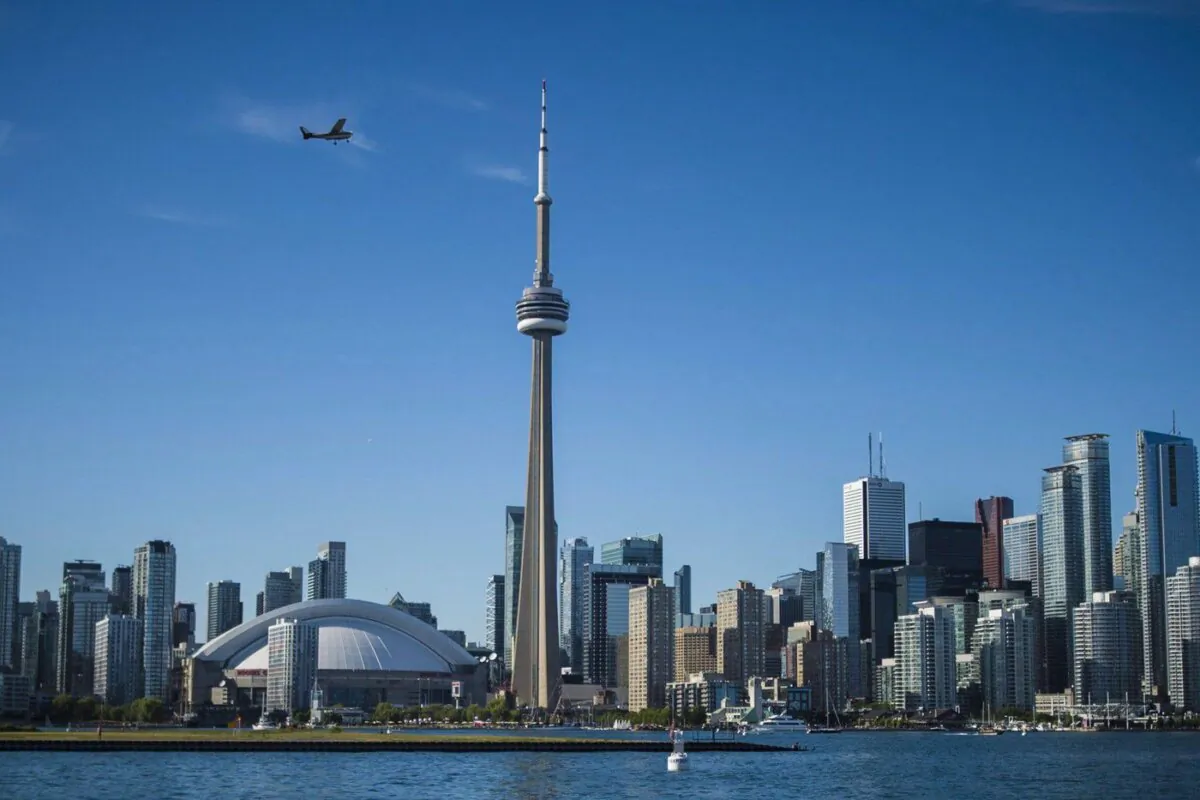
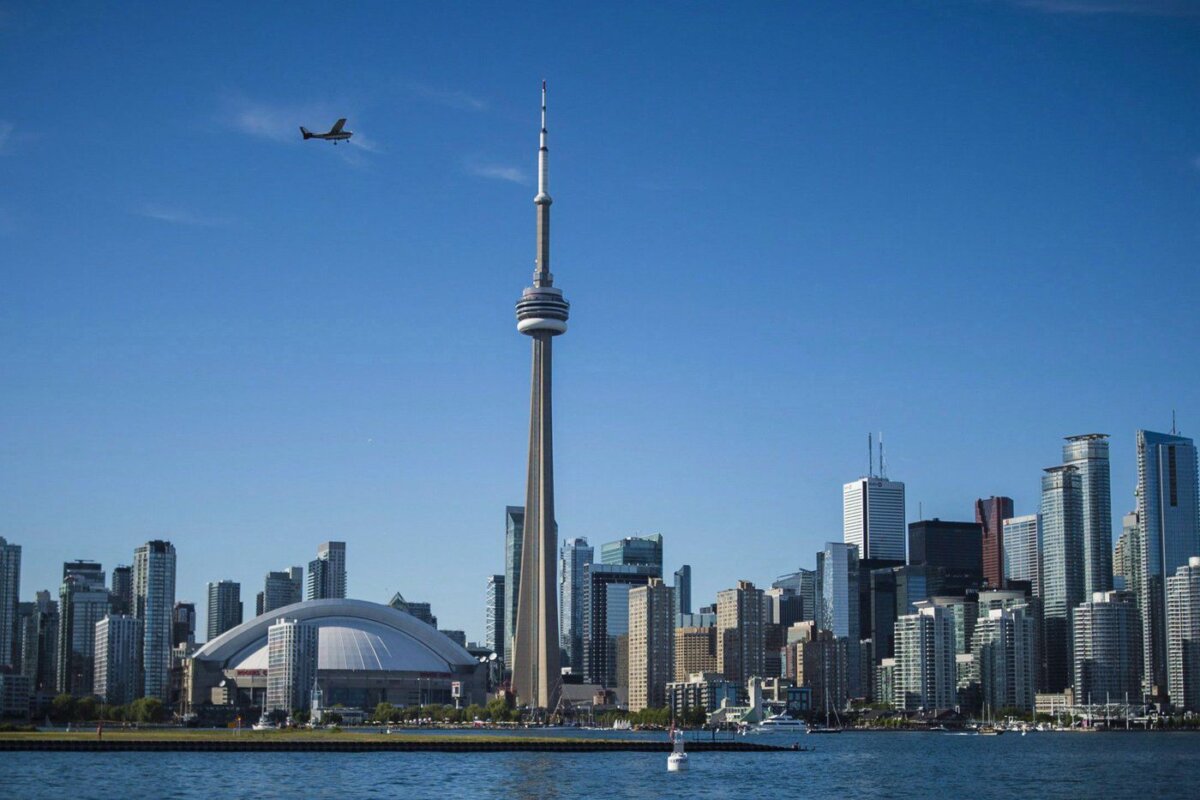
Amara recruited members for a group that planned to storm Parliament Hill, behead then-Prime Minister Stephen Harper, and bomb several locations throughout Toronto, such as the CN Tower and the Toronto Stock Exchange.
The group made headlines in June 2006 after they were arrested attempting to buy three tonnes of ammonium nitrate from undercover police officers—the same chemical used in the Oklahoma City bombings.
Police had been monitoring the group for months with the help of two paid undercover informants. One informant initially asked the RCMP for $15 million to work for them but settled for $3.99 million. Much of the money went toward relocating him and his family as part of witness protection.
Amara received a life sentence in 2010, and he had been on day parole with multiple restrictions since 2016.
In its written decision, the parole board said Amara pursued deradicalization efforts while incarcerated and used his day parole “for its intended rehabilitative purpose,” demonstrating “positive change, both in attitude and in behaviour.”
The board said he was closely supervised while on parole, while his internet activities, friendships, and relationships were monitored, with officials reporting no safety concerns or breaches.
The decision said Amara planned to live in his own home and continue to structure his time around his full-time job, attending a mosque, seeing his family, and “appropriate leisure activities.”
The parole board barred him from communicating with anyone involved in criminal activity, including those arrested during the June 2006 anti-terrorist raids, or coming into contact with anyone with extremist ideologies, except in his work as a consultant with a specialized program.
Amara must also continue participating in counselling, face financial monitoring, and comply with restrictions on his phone and internet use.
The board’s decision comes two decades after the dismantling of the homegrown plot that shifted public discourse around terrorism.
Amara and an accomplice recruited people for a group based on jihadist ideologies that planned to carry out terrorist acts to demand Canada’s withdrawal from Afghanistan.
The group splintered into two, with Amara taking the helm of a plot focused on building truck bombs that targeted the Canadian Security Intelligence Service headquarters, the Toronto Stock Exchange building, and a military base.
Police arrested him and the others on the day bomb-making materials were delivered to a warehouse in 2006.
Amara pleaded guilty to participating in a terror group with the intention of causing an explosion or explosions that were likely to cause serious bodily harm or death, and was sentenced to life in prison with no chance of parole for 10 years. He challenged the sentence, but it was upheld on appeal.
The parole board document said his “problematic and extremist ideologies and attitudes” remained during his initial years behind bars, which included several incidents of misconduct.
The board added that his ideology “began to shift” in 2014, and he was transferred to a medium-security institution in 2019, where correctional officers reported he was “respectful, polite and quiet.”
Amara was granted day parole for three months in 2022, which was extended several times.
“During the latter part of your federal custody and for the past four years in the community, you have undertaken a process to distance yourself from extremist ideologies and others who share the same views,” the board added.
In 2020, the parole board granted closed day parole to Shareef Abdelhaleem, who was considered one of the key architects of the foiled terrorist attacks.
Offenders on day parole may participate in community-based activities during the day and return nightly to a designated residential venue or halfway house. The Parole Board of Canada may also impose special conditions on top of standard restrictions during offenders’ release.
Conservative Sen. Leo Housakos criticized the Parole Board’s decison.
“Don’t worry, Canadians! The terrorist who plotted to storm Parliament Hill and bomb Toronto has been miraculously cured of extremism. The Parole Board says Canadians can sleep soundly,” he said on social media.
The Canadian Press contributed to this report.
 Friends Read Free
Copy
Facebook
Tweet
Friends Read Free
Copy
Facebook
Tweet