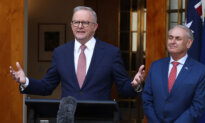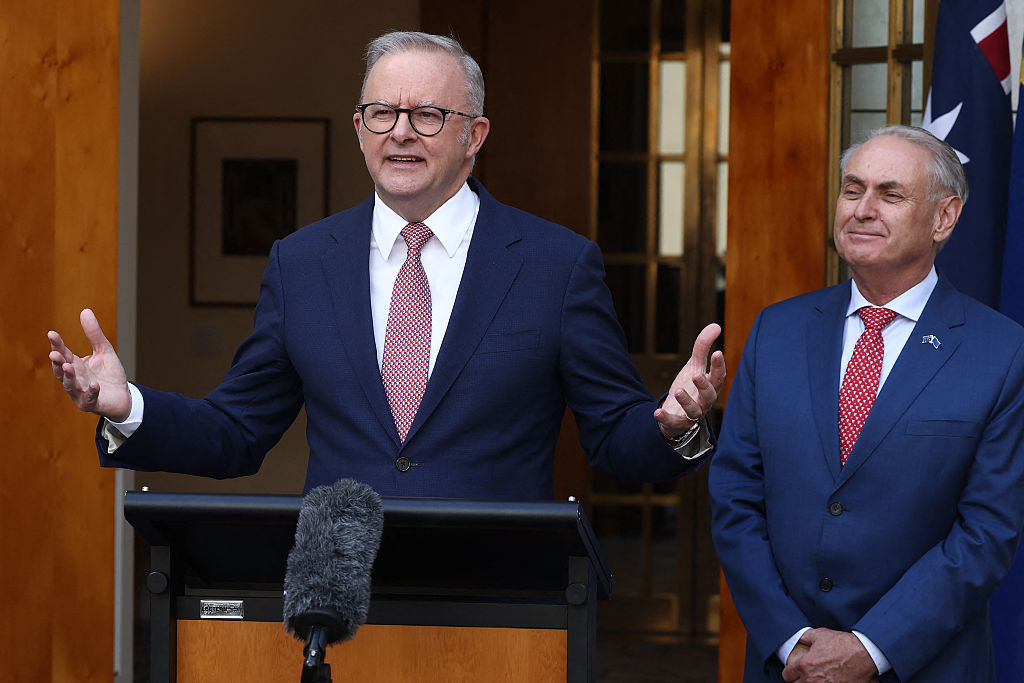

Following a brief national address, Prime Minister Anthony Albanese has moved to flesh out his response, unveiling loans, fuel relief, and policy changes amid Australia’s petrol crisis.
Speaking at the National Press Club on April 2, outlined a new $1 billion interest-free loan program for manufacturers, freight operators, truck drivers, and fuel and fertiliser producers struggling with higher costs.
“They are essential to Australia getting through this crisis as well. So our government will extend their credit to help them and the farmers and producers who rely on these supply chains to weather the storm,” he said.
Albanese acknowledged the limits of government intervention amid global instability.
“But we can be a buffer against the worst of it, a shock absorber in a time of global shocks, and we will do everything we can to protect the Australian people from what the world throws at us,” he added.
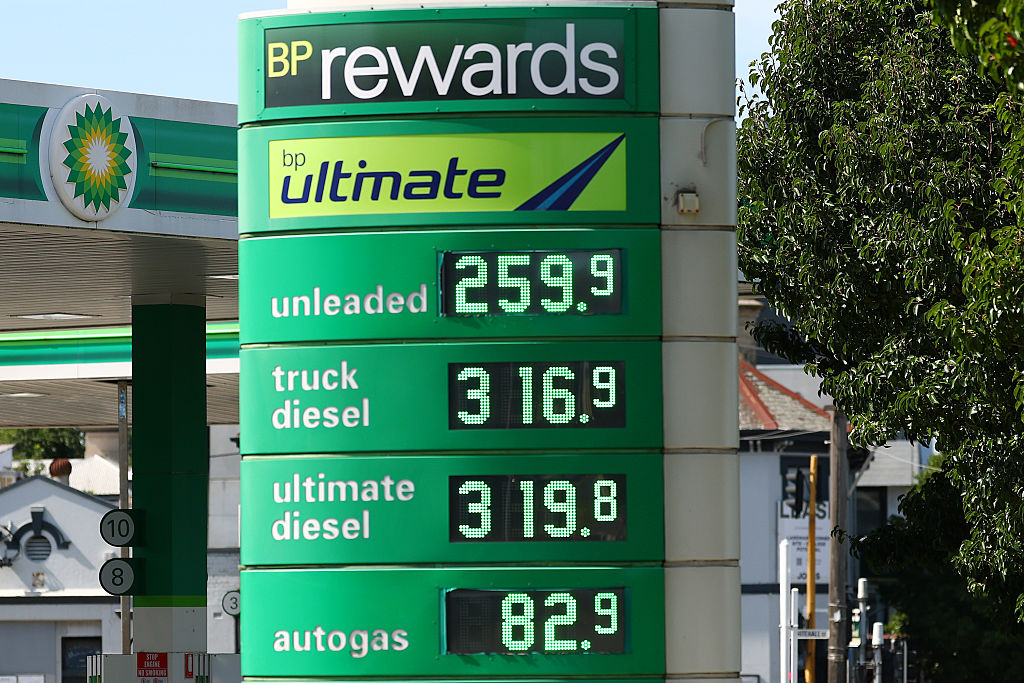
GST to be Returned Via Further Fuel Excise Cut
The prime minister also confirmed an agreement with states and territories to return the extra GST revenue from higher fuel prices.
“This will mean a combined saving of 32 cents on every litre … The treasurer, Jim Chalmers, has already signed that change into law,” he said.
The measure includes an additional 10.9 percent cut to fuel excise for three months, equating to a further 5.7 cents per litre reduction. The government said the changes would provide about $400 million in additional relief.
New South Wales Labor Premier Chris Minns welcomed the move.
“It’s some relief to drivers and helps take the edge off higher fuel costs,” he said.
Meanwhile, the LNP governed Queensland, which favoured targeted cost of living measures, support the move.
“From the beginning it has been Queensland’s position to forego windfalls from higher fuel prices and how this can be calculated, collected and distributed has been facilitated following today’s meeting,” Janetzki said in a statement, obtained by AAP.
Limits on Gambling Ads Announced
After three years of debate, Albanese also confirmed the government would move ahead with restrictions on gambling advertising, an issue that has lingered since recommendations were handed down in June 2023.
“Between 6 a.m. and 8:30 p.m., we will cap the number of TV ads for agencies at a maximum of three per hour, we will ban all gambling ads on radio during school pickup and drop-off,” Albanese said.
The measures fall short of a full ban proposed in a review led by late MP Peta Murphy.
Greens Senator Sarah Hanson-Young said the government had failed to go far enough.
“Going soft on banning digital and online advertising hands the advantage to gambling companies and leaves families paying the price,” she said.
When questioned, Albanese defended the approach.
“Government can be informed by committees, but the government determines positions,” he said.
PM Says Iran War Objectives Achieved, But Expects Impact on Global Markets
Albanese used the address to outline the broader economic risks posed by the Iran War, saying it could have a greater impact on global markets.
“This is a testing time for our nation. The war in the Middle East has caused the biggest increase in petrol prices …” he said.
He also reiterated an earlier point that the Iran War has no real basis to continue.
“Now those objectives have been realised, it’s not clear what more needs to be achieved. Or what the end point looks like,” he added.
“What is clear is that the longer the war goes on, the more significant the impact on the global economy will be.”
U.S. President Donald Trump said in his national address that the Strait of Hormuz would likely “open up naturally.”
“It will resume the flowing, and the gas prices will rapidly come back down,” he told Americans.
He also blamed Iran for the spike in fuel costs.
“This short-term increase has been entirely the result of the Iranian regime launching deranged terror attacks against commercial oil tankers in neighboring countries that have nothing to do with the conflict,” Trump said.
 Friends Read Free
Copy
Facebook
Tweet
Friends Read Free
Copy
Facebook
Tweet