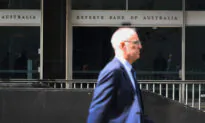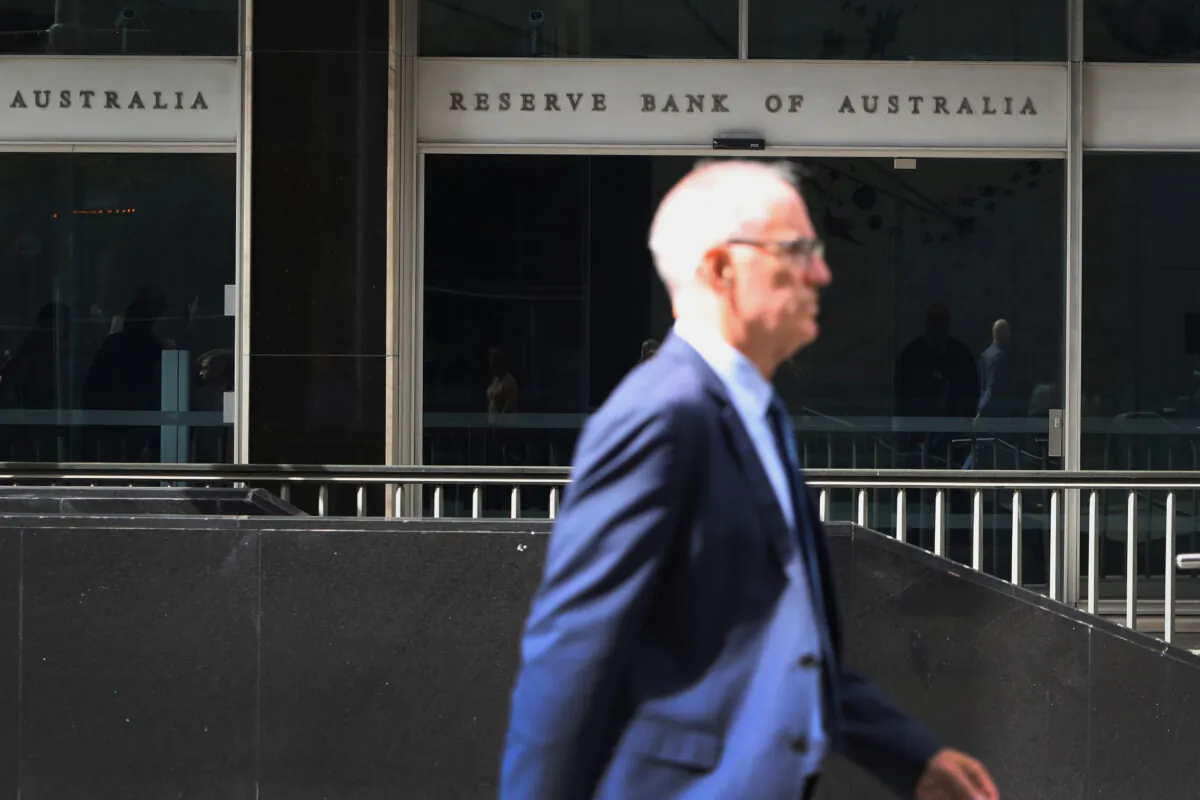

The Reserve Bank of Australia (RBA) has increased the official cash rate by 25 basis points to 4.35 percent following its board meeting on May 5.
This marks the third rate rise in 2026, following increases in February and March, and the first time it’s reached 4.35 percent since 2024.
In its latest statement, the RBA highlighted the conflict in the Middle East as a significant driver of renewed inflation pressures, with higher fuel prices already feeding into broader costs across the economy.
“Developments in the Middle East are having an impact on inflation. Higher fuel prices are adding to inflation and there are indications that this is likely to have second-round effects on prices for goods and services more broadly,” the bank said.
“This inflation impulse is in addition to the high inflation recorded around the start of 2026, reflecting capacity pressures in the economy.”
The RBA expected inflation to remain above its two to three percent target band for some time, with elevated risks demanding timely action by the board.
“It was therefore judged appropriate to increase the cash rate target,” it said.
RBA Updates Its Forecasts
At the same time, the bank updated its forecasts to account for the situation in the Middle East.
“With the conflict in the Middle East continuing, there are plausible scenarios where inflation is higher and activity lower than envisaged under the baseline forecast,” it said.
“A longer or more severe conflict could put further upward pressure on global energy prices; this would push up near-term inflation and could also increase inflation further out as these costs are passed through and if price rises get built into longer term inflation expectations.
“But higher prices and prolonged uncertainty may cause growth to be lower in Australia’s major trading partners and also in Australia.”
The central bank also stressed that it remains focused on its objective to deliver price stability and full employment and will do “what it considers necessary to achieve that outcome.”
Treasurer’s Response
Treasurer Jim Chalmers said the RBA’s decision would make life tougher for Australians who were “already paying a hefty price for the war in the Middle East.”
“It will add to the pressure that families and businesses are under at a time of ongoing global instability,” he said.
“While this decision was widely expected and widely anticipated, that doesn’t make it any easier.”
Chalmers also warned that uncertainty and volatility in the global economy would make the government’s fiscal management more challenging.
“While we already had an inflation challenge in our economy, the war in the Middle East is making this challenge worse, and we expect the impact of this to continue for some time,” he said.
Meanwhile, Shadow Treasurer Tim Wilson blamed the Labor government for failing to curb inflation.
“The RBA has had its hand forced again by Jim Chalmers’ active inflation agenda, and increased interest rates,” he said on social media.
“Until the treasurer stops pouring debt petrol on the inflation fire, Australians will feel financial pain. Rates are now as high as any point since Labor was elected.”
 Friends Read Free
Copy
Facebook
Tweet
Friends Read Free
Copy
Facebook
Tweet