
Reform UK presented plans on Monday to offer wealthy individuals, often foreign nationals, a chance to avoid paying some taxes in exchange for a one-off fee, with proceeds going to those on low incomes.
The “Britannia Card” would give non-domiciles, or non-doms, a 10-year renewable residency visa and exemption from UK taxes on overseas income and inheritance, in exchange for a one-off £250,000 payment. Non-doms live in the UK but are considered to have their permanent home in another country for tax reasons.
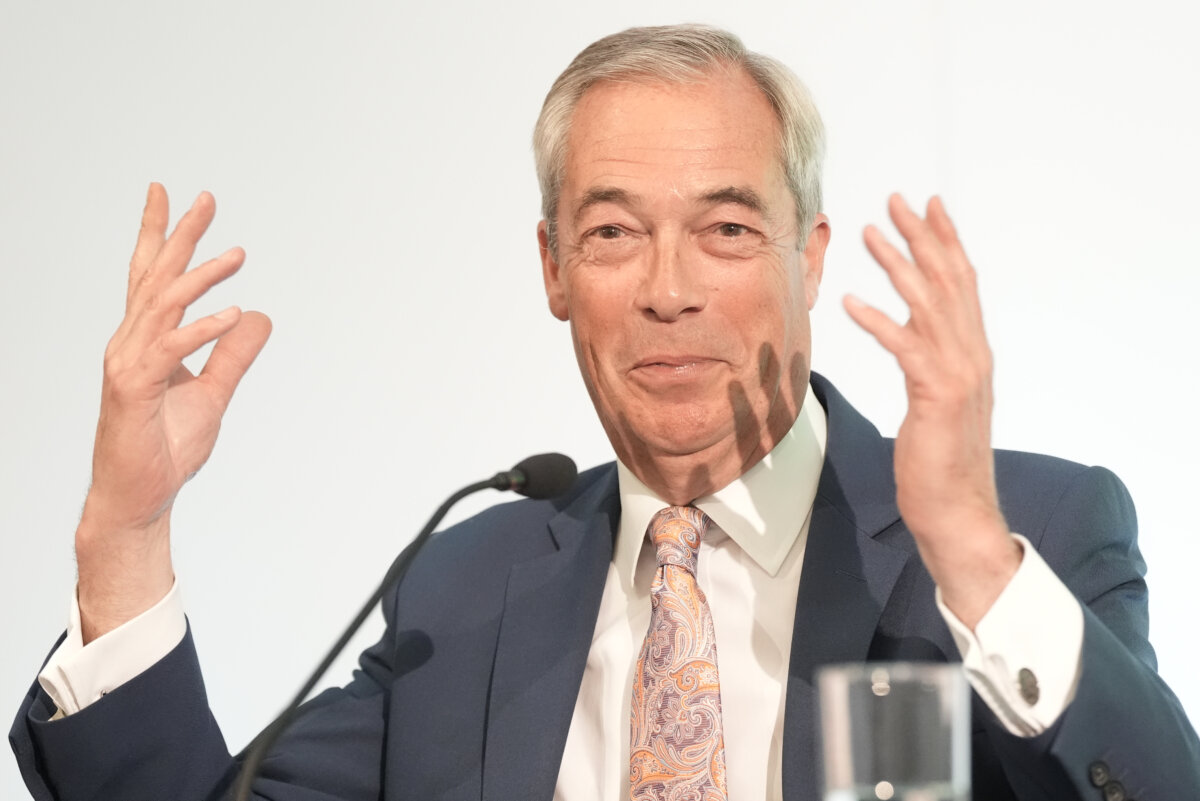
Reform leader Nigel Farage described the plan as a “win-win” that would bring back investors, entrepreneurs and job creators driven away by recent tax reforms.
“Many talented people are leaving, and we want as a party as many entrepreneurs, as many risk-takers, as many job creators, as many people paying lots of tax, as many people investing huge sums of money, we want as many of them as possible to be in our country,” he told a press conference on Monday.
Under the proposed scheme, the £250,000 fee would be distributed annually, tax-free, to Britain’s lowest-earning full-time workers.
Reform estimates the policy could raise between £1.5 billion and £2.5 billion per year, equating to between £600 and £1,000 per low-paid worker.
Farage rejected claims that the policy was unworkable or unfair, calling the fee “just the tip of the iceberg” of what high-net-worth individuals would contribute through other taxes, such as VAT and stamp duty.
Reversing Labour’s Tax Reforms
The proposal comes in response to sweeping changes made by the Labour government, which abolished the non-domicile (non-dom) tax status in April 2025.
Until then, UK residents who claimed their permanent home was abroad could legally avoid paying UK tax on foreign income and capital gains.
Labour replaced that system with a residence-based tax model, meaning that after four years of UK residency, foreign income becomes taxable.
Inheritance tax is also being expanded to include long-term residents, although assets placed in offshore trusts before April 2025 remain exempt.
Chancellor Rachel Reeves has defended the reforms. She said last year the reforms would raise £2.6 billion over the current Parliament, with £1 billion expected in the first year.
The plan faces opposition from both the Labour Party and the Conservative Party.
On Monday, Reeves described Reform’s proposal as “a tax cut for foreign billionaires,” warning that it would mean either higher taxes for working families or cuts to public services.
Labour Party Chair Ellie Reeves said the policy would be “a golden ticket for the super-rich, paid for by working families.” She said that “reckless, unfunded policies would blow a hole” in the UK economy.
Shadow chancellor Mel Stride dismissed the idea, describing it as “fantasy economics.”
Divided Economic Forecast
Experts remain split on whether the plan would generate a net benefit or a costly shortfall.
Tax Policy Associates estimated the proposal could cost the UK £34 billion in lost revenue over five years. The non-profit said it would largely benefit wealthy individuals already in the UK and deter skilled professionals who might not be able to afford the £250,000 entry fee.
The organisation also questioned whether, after recent legislative shifts, the policy could credibly guarantee long-term tax exemptions.
A report by the Centre for Economics and Business Research suggested Labour’s new tax regime may also have hidden costs.
If just 25 percent of current non-doms leave the UK, the report found, the Treasury could see no net gain from the reforms.
The Office for Budget Responsibility (OBR) projected that Labour’s residence-based tax model could raise £4.5 billion annually by 2030, mostly from taxing foreign income and gains.
The OBR warned the outcome is highly uncertain, as many high-net-worth individuals may restructure their finances or relocate.
Shrinking Billionaire Class
Reform UK says the policy is necessary to stop the economic damage caused by a growing exodus of wealth.
Party chairman Zia Yusuf said Reform would correct a negative perception of non-doms, who he said “have been made to feel persona non grata.”
The Sunday Times Rich List recently revealed the sharpest decline in UK-based billionaires since records began. The number dropped from 165 in 2024 to 156 in 2025.
A separate Bloomberg analysis found more than 4,400 senior business figures disclosed overseas moves in the past year alone.
Economic forecasts suggest that if this trend continues, the UK could lose as much as £12.2 billion and thousands of jobs over the next four years.
 Friends Read Free
Copy
Facebook
Tweet
Friends Read Free
Copy
Facebook
Tweet