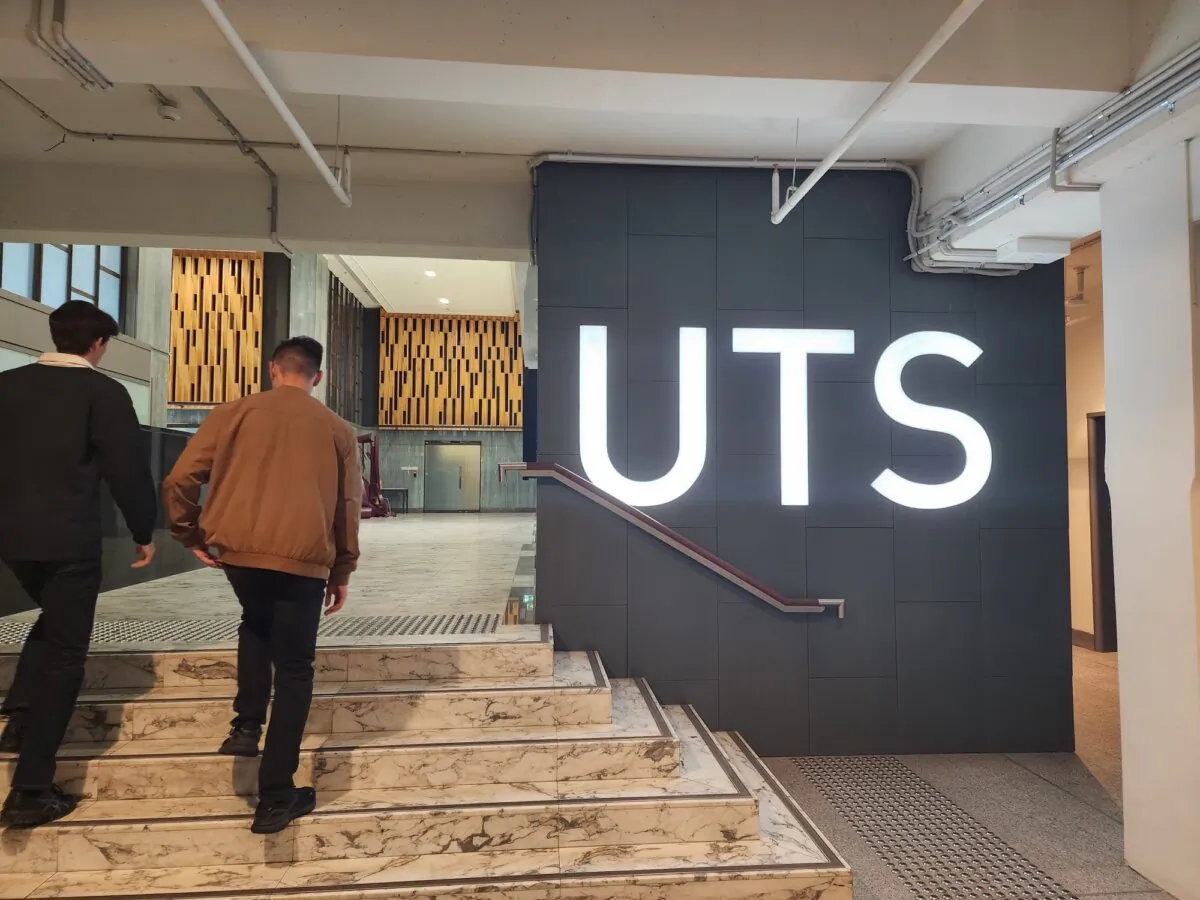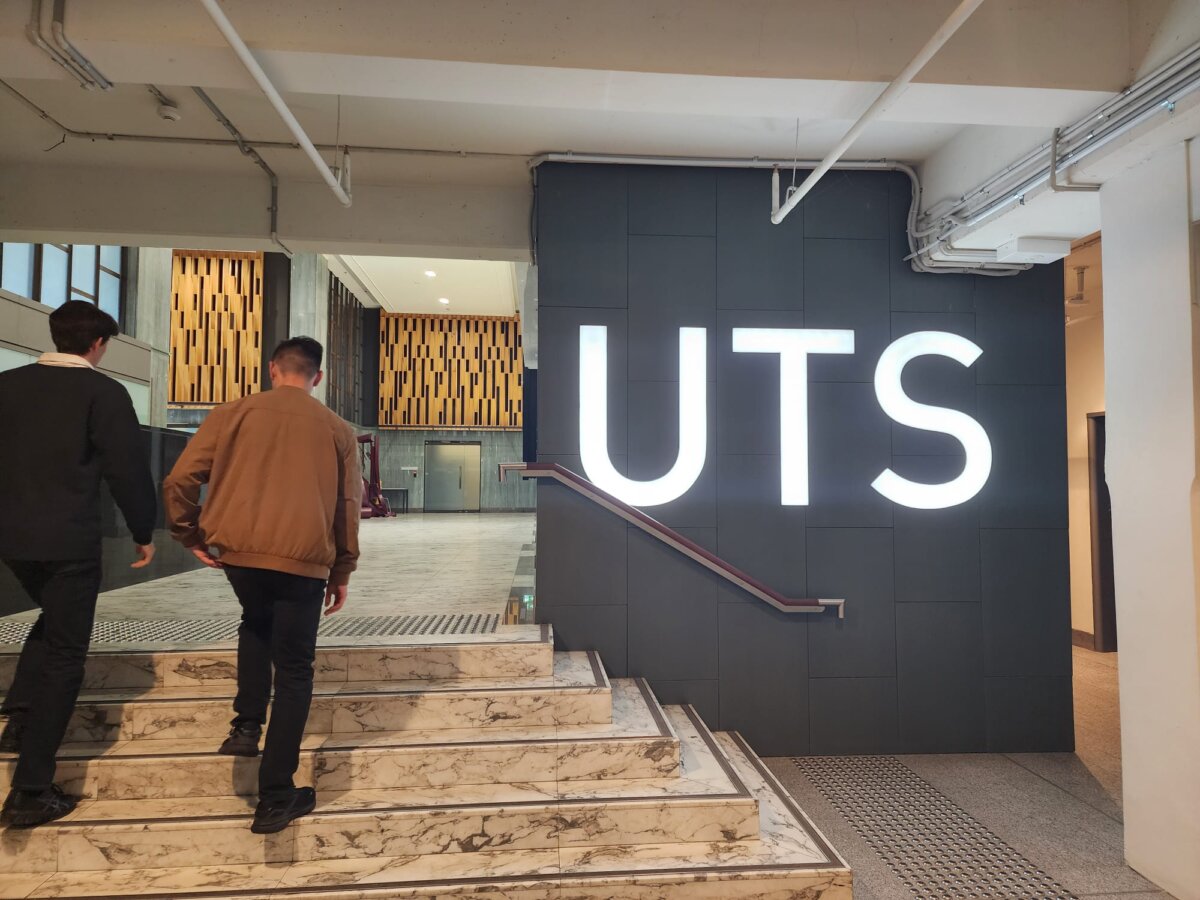

SafeWork NSW has intervened to halt the University of Technology Sydney’s (UTS) plan to axe 400 jobs, warning the cuts could cause “serious and imminent risk of psychological harm” to staff.
The regulator on Sept. 3 issued a prohibition notice that froze the university’s cost-cutting program, which is designed to save $100 million a year.
UTS Vice-Chancellor Andrew Parfitt told a parliamentary inquiry that the order was lifted late on Sept. 5 after further discussions about how staff should be informed of the changes.
He admitted the process was distressing but said the university had little choice.
“We recognise this is a stressful time,” he said on Sept. 8.
“We’re devastated to be in a position to have to do this due to financial constraints. It is a very hard time for our community, and there’s no easy way to have this discussion.”
Parfitt said workers could face redundancy, line-management changes, or other adjustments under the restructure, with full proposals expected in the coming fortnight.
‘Self-Care’ Advice Sparks Outcry
The restructure drew criticism after staff discovered a wellbeing hub advising them on how to cope with stress was being axed amid the redundancies.
The hub contained 50 “self-care tips” for employees potentially facing redundancy. Among the suggestions: washing delicates, organising tax receipts, cleaning a bathroom, brushing and flossing daily, or putting on an energetic song to motivate cleaning a room.
During the inquiry, Greens Senator Mehreen Faruqi challenged whether such tips could seriously be described as “mitigation strategies” for exhaustion and job loss.
“Do you accept that telling staff to do these ridiculous things, to manage their exhaustion while cutting jobs and piling on work, is not a wellbeing strategy?” the senator said.
Parfitt admitted the advice was inappropriate.
“Senator, I’m not a psychologist, but I would say that the document to which you refer was a suite of documents that were provided through the wellbeing providers to the university for use generally,” he responded.
Parfitt said he was “disappointed” the material had been included on the UTS site.
Executives To Skip Bonus
The Senate inquiry also examined executive accountability. Faruqi questioned why ordinary staff should bear the brunt of savings while Parfitt earned nearly $935,000 last year.
Parfitt confirmed that senior executives and senior staff would forgo performance bonuses, saving $2.5 million across the university.
He also acknowledged that UTS spent $44 million on consultants last year.
Responding to claims of “fear and mistrust” among staff—some of whom are reportedly resorting to encrypted chat groups to discuss the cuts—Parfitt said open consultation was essential.
“Genuine and open consultation around challenging issues needs to occur,” he said.
Courses Suspended, Students Affected
In addition to staff cuts, UTS has paused enrolments for 146 courses across six faculties as part of its Operational Sustainability Implementation program.
While current students will not be affected, prospective students in low-demand courses will have to look elsewhere.
Professor Kylie Readman told senators that some suspended courses, such as International Studies, had been replicated across multiple codes, but the overall enrolments remained too low to justify continuation.
“The decisions were based on clear criteria,” she said. “It was about representing ourselves accurately to future students and ensuring we gave timely and transparent information.”
A Sector Under Strain
In his opening remarks, Parfitt said that in three decades of academic leadership, he had never witnessed such pressure on universities. He cited falling international enrolment numbers, revenue constraints, wage underpayment scandals, campus safety concerns, foreign interference, and the rapid impact of new technologies.
“This inquiry is timely and necessary,” he said. “It provides an opportunity to re-establish public trust in our universities and assure that governance arrangements are fit for purpose.”
UTS is not alone in wielding the axe. The Australian National University (ANU), Charles Sturt University, Macquarie University, and the University of Tasmania have all announced significant job cuts in recent months. Collectively, more than 100 roles are expected to go.
At ANU, 59 positions are set to be removed by July 2026 as part of a $250 million savings drive. Charles Sturt has blamed a $35 million shortfall on collapsing international enrolments, which have fallen from 8,460 in 2019 to just 10 percent of that in 2024.
Macquarie University has flagged the possible loss of 75 academic positions, mainly in the arts, science, and engineering faculties, while internal documents reveal further curriculum cuts are likely in 2026 and 2027.
The National Tertiary Education Union has criticised the job cuts across the sector and renewed calls for governance reform. The union says universities’ reliance on international students makes them financially fragile and leaves staff vulnerable to sudden restructuring.
 Friends Read Free
Copy
Facebook
Tweet
Friends Read Free
Copy
Facebook
Tweet