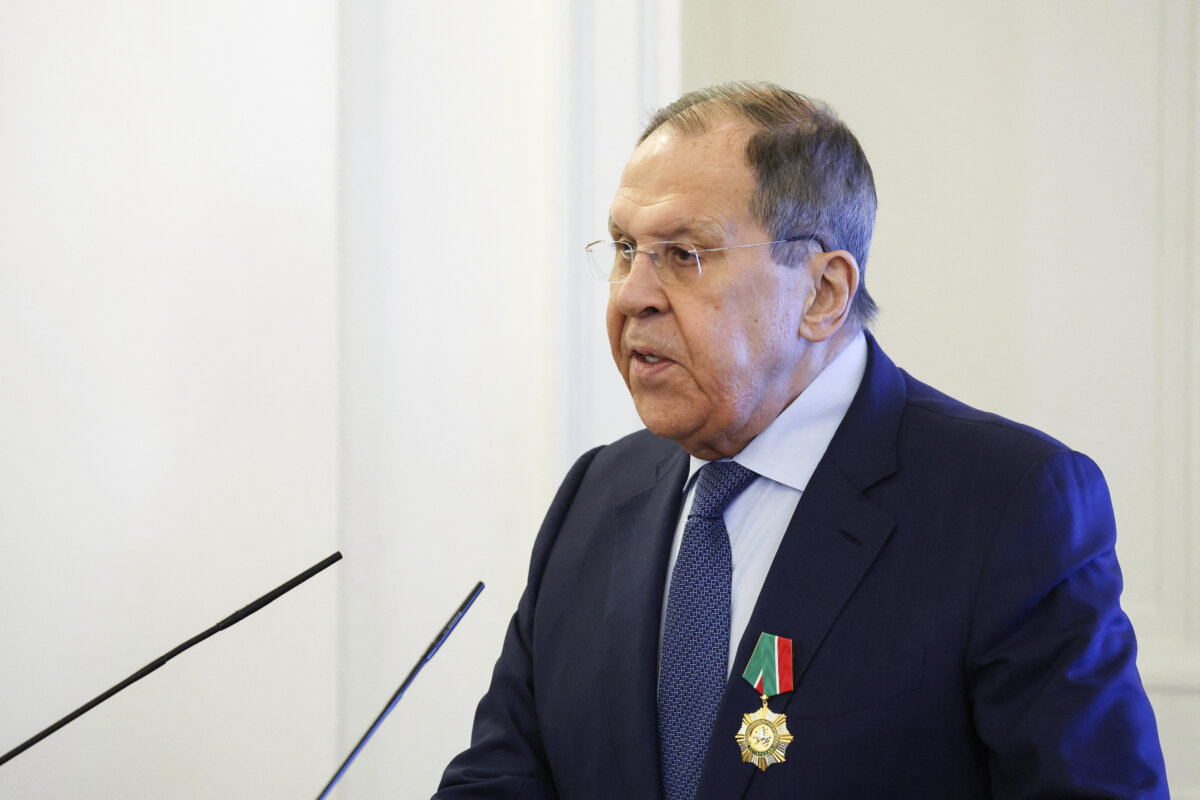
Russian Foreign Minister Sergei Lavrov said on March 3 that the stated aim of the Iran War could have the opposite effect and spur a nuclear arms race in the Middle East and elsewhere.
“This event, this war, which was launched against Iran can prompt not only Iran but also its Arab neighbouring countries to seek to acquire nuclear weapons,” Lavrov said. “That is why it is paradoxical: the declared noble goal of starting a war to prevent the proliferation of nuclear weapons could stimulate exactly the opposite trend.”
The United States launched Operation Epic Fury on Feb. 28, along with Israel, after months of negotiations with Iran failed. Later that day, the Kremlin criticized the United States and Israel for what it said was “a preplanned and unprovoked act of armed aggression against a sovereign and independent U.N. member state.”
Lavrov said Tuesday that there is now a growing risk that the “nuclear proliferation problem will begin to spiral out of control. In Europe, this is being discussed openly and loudly.”
He added that Russia will “continue to defend the principles of non-proliferation of nuclear weapons and will categorically oppose actions that could undermine these principles and provoke a nuclear arms race.”
Polish Prime Minister Donald Tusk said in a March 2 post on X that his country is in talks with France and a “group of closest European allies on the programme of advanced nuclear deterrence.”
That same day, French President Emmanuel Macron said that France will expand its nuclear arsenal and strengthen its deterrence strategy.
France currently possesses about 290 nuclear warheads, according to a 2025 report by the Stockholm International Peace Research Institute.
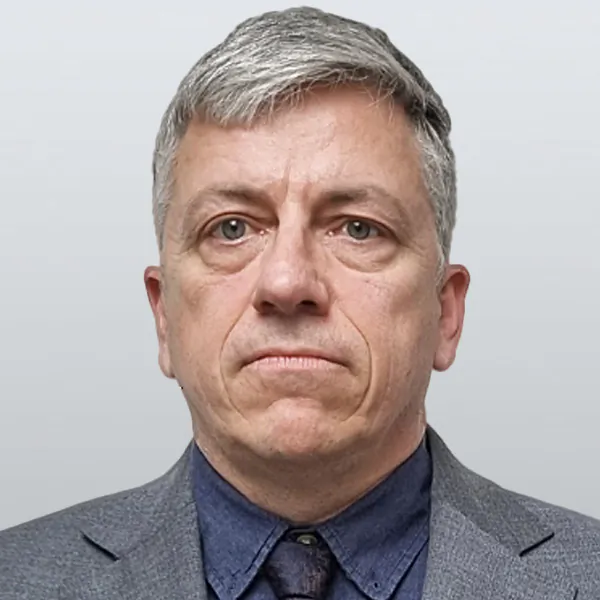
German Chancellor Friedrich Merz said in a post on X that he’d established a nuclear steering group with Macron.
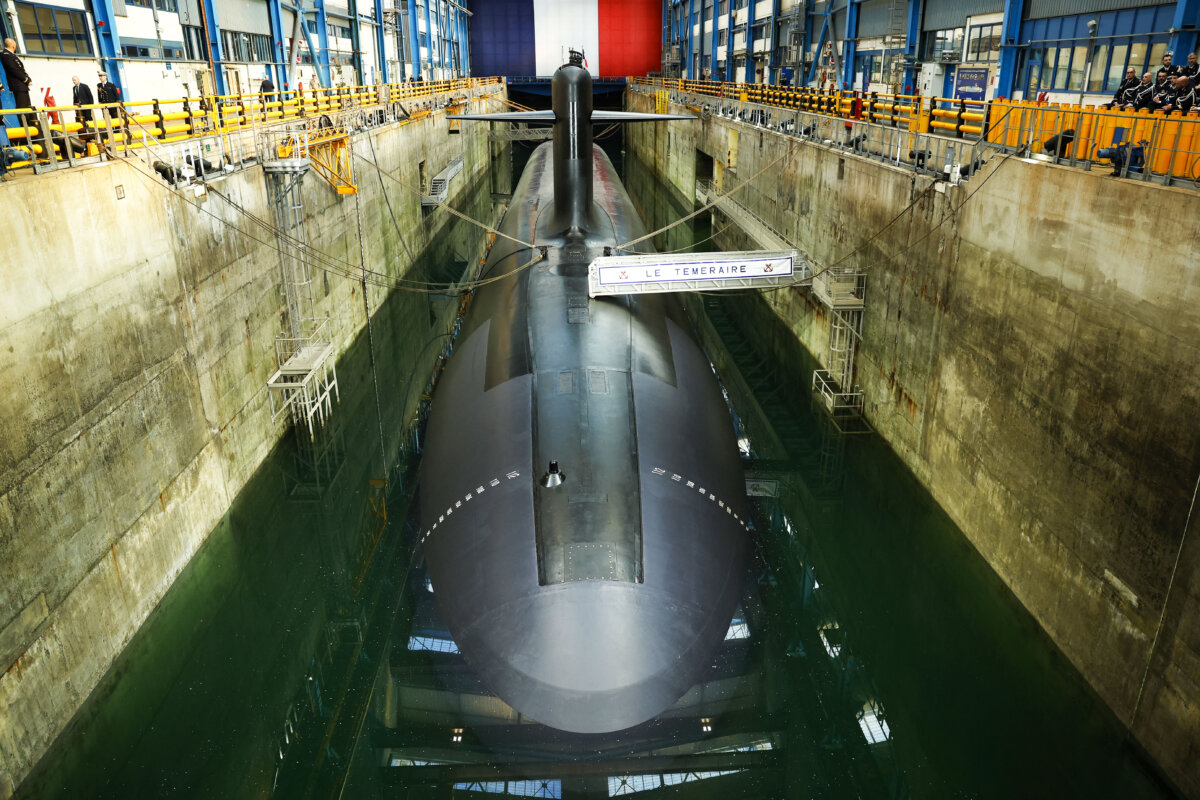
“We intend to take concrete steps this year, including conventional German participation in French nuclear exercises,” he added.
European members of NATO have effectively been protected by the United States’ nuclear umbrella since the alliance was founded in 1949.
Poland joined NATO in 1999, and the Baltic states, all former republics of the Soviet Union, joined in 2004, along with Bulgaria and Romania.
When President Donald Trump entered the White House for the second time in January 2025, he demanded that NATO countries increase military spending and distanced himself from Kyiv while supporting efforts to end the conflict with Russia.
In September 2025, Russia and China were among four countries on the U.N. Security Council that voted to lift sanctions on Iran, which had been imposed over its nuclear program. The resolution was defeated 9–4, leading to the imposition of the snapback mechanism.
Putin Offers to Convey Arab Concerns to Iran
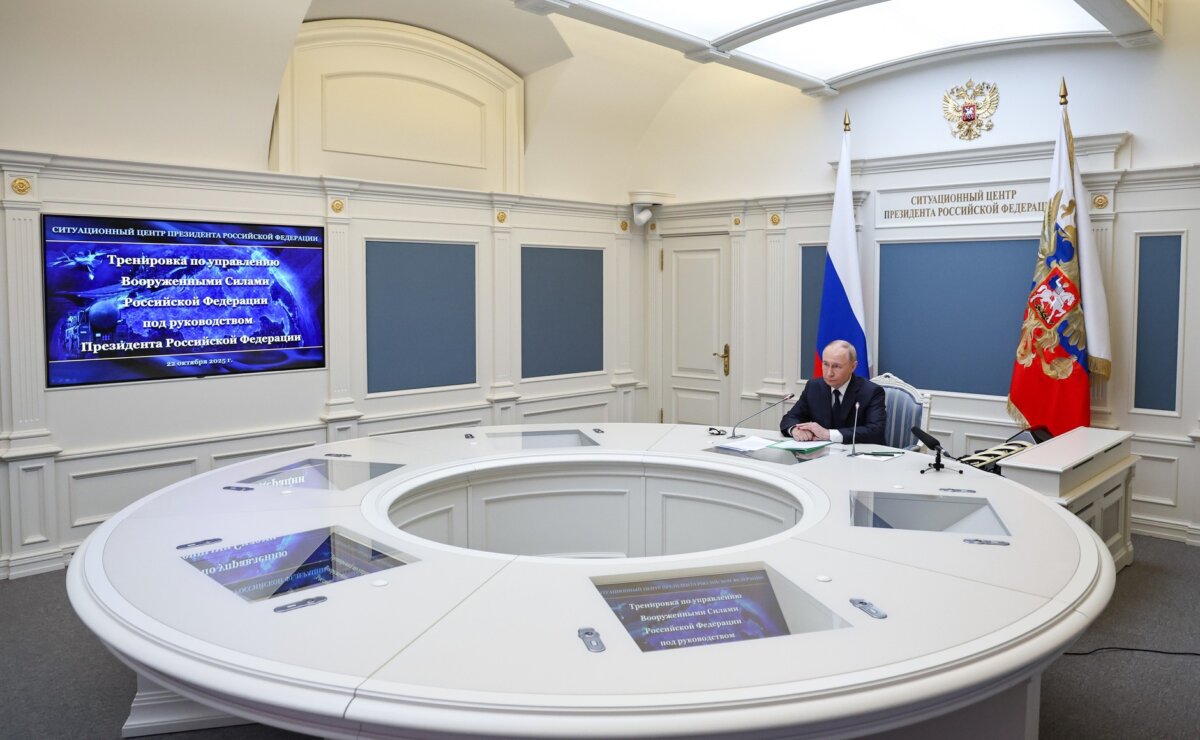
Kremlin spokesman Dmitry Peskov said on Tuesday that Russian President Vladimir Putin will convey the concerns of several Arab states in the Persian Gulf about their oil infrastructure to Iran, an ally of Moscow.
Peskov said Putin spoke by phone with the leaders of four Arab states in the Gulf, offering to use Moscow’s influence with Tehran.
“Putin will certainly make every effort to contribute to at least a slight easing of tensions,” Peskov told reporters.
Oil prices rose for a third day on Tuesday as ships stopped using the Strait of Hormuz amid fears of missile or drone attacks by Iran.
Bahrain’s state-controlled news agency said on Monday that the Bahrain Defence Force had intercepted 70 Iranian missiles and 59 drones.
There have also been drone and missile attacks on oil facilities at the port of Duqm in Oman.
Peskov also said Putin passed a note to Iranian President Masoud Pezeshkian offering his condolences to the family of Iranian leader Ayatollah Ali Khamenei, who was killed in Saturday’s joint U.S.–Israeli attack on Iran.
The Kremlin spokesman said Putin had not spoken to Trump since Operation Epic Fury began, and had no plans for any phone calls with the White House.
The Associated Press and Reuters contributed to this report.
 Friends Read Free
Copy
Facebook
Tweet
Friends Read Free
Copy
Facebook
Tweet