
Russia warned on Tuesday that any United Kingdom or NATO attempt to blockade or strike its Kaliningrad exclave could trigger nuclear retaliation.
In a Sept. 29 Telegram post, the embassy referenced Sky TV’s recent four-part documentary-drama series “The Wargame,” in which a fictional British Cabinet considers strikes on Russian territory, including Kaliningrad, after a simulated attack by Moscow on the UK.
Moscow also mentioned a recent article in the British newspaper, the iPaper, which said on Sept. 26 that the territory “once seen as a threat to NATO could now be a weakness for Vladimir Putin that is waiting to be exposed.”
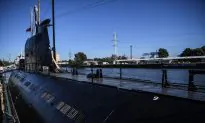
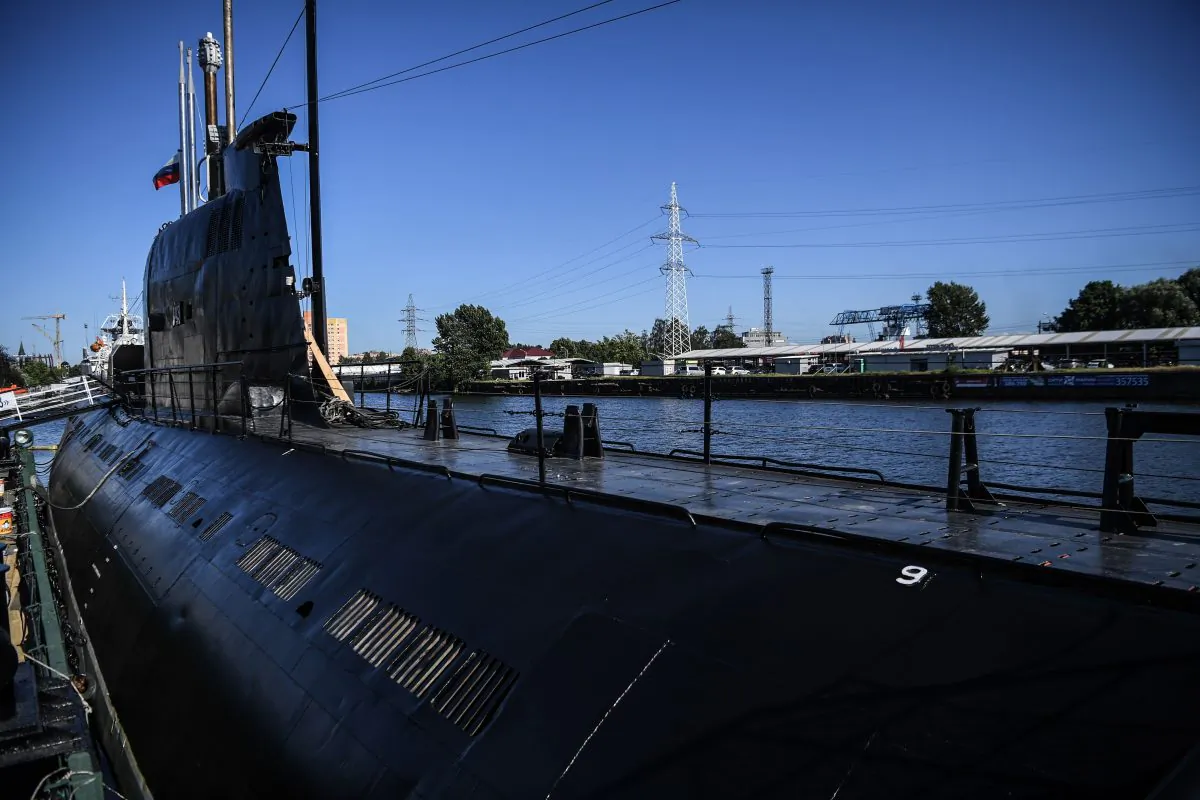
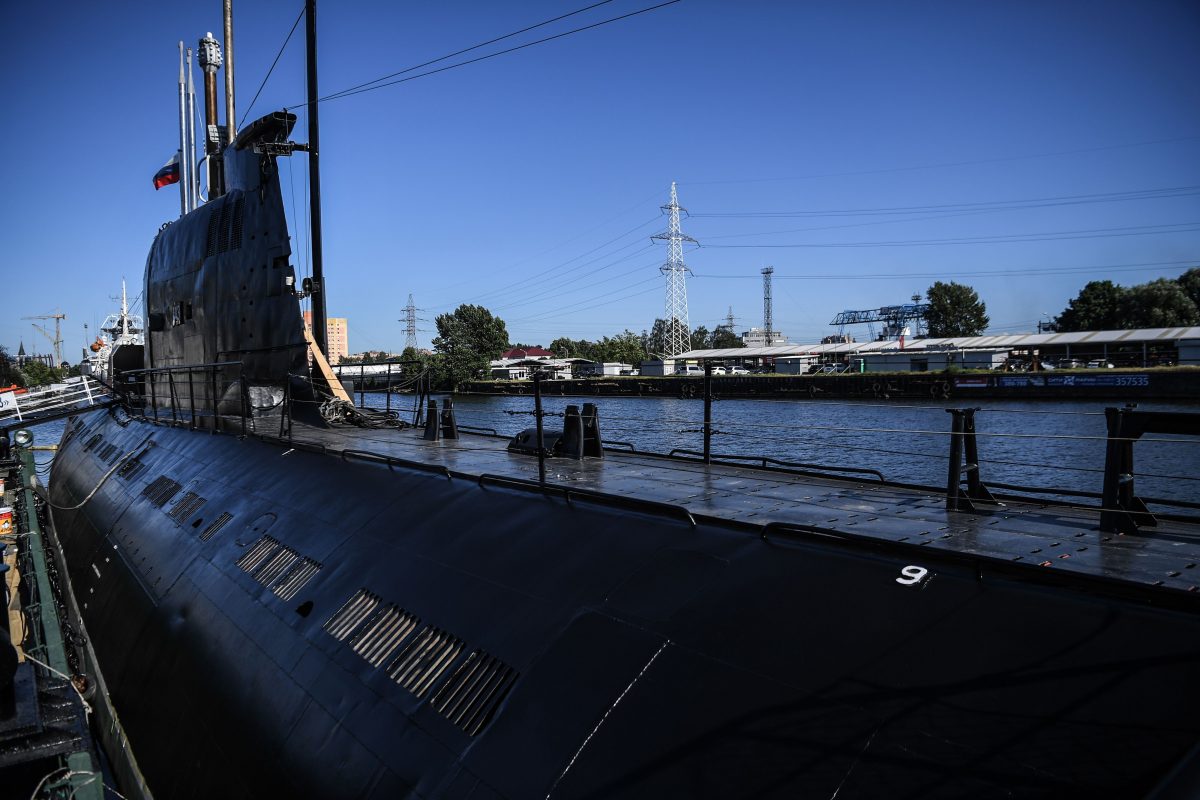
Kaliningrad is a heavily militarized enclave sandwiched between NATO members Lithuania and Poland, serving as the headquarters of Russia’s Baltic Fleet. It is Russia’s only year-round, ice-free port.
The iPaper report said a lot of Kaliningrad’s military personnel and firepower have been reassigned to Ukraine, leaving the exclave more vulnerable to attack.
The Russian embassy said: “Any British or NATO military action against Russian territory would be met with a response using all means at Russia’s disposal, including nuclear weapons.”
“Russia has repeatedly made clear that it neither seeks confrontation with NATO and Europe nor intends to attack them. But should anyone choose to unleash such a conflict, they must be under no illusion that Russia will respond accordingly,” it added.
Separately, the Russian embassy in Belgium said in a Sept. 28 Facebook post that it is seeing a “sharp escalation in the rhetoric of Western military-political circles, especially on NATO’s eastern flank.”
The nuclear warning follows Paris agreeing to talks with Latvia over the Baltic nation joining France’s nuclear defense umbrella. Finland recently joined Denmark, Norway, and Sweden in the deterrence program.
The Russian embassy claimed that the West was “deliberately increasing the degree of confrontation” and making “statements about the possession of NATO capabilities to strike military targets in the Kaliningrad region” and calling for “organizing new ‘aggressive’ exercises at Russian borders.”
In response, NATO official representative Allison Hart told German state-funded television network DW on Sept. 29: “We strongly condemn the threat of the use of force, including any irresponsible nuclear rhetoric.”
“We call on Russia to stop its unprovoked war in Ukraine.”
Russia has more than 5,500 nuclear warheads, according to the International Campaign to Abolish Nuclear Weapons (ICAN).
European leaders are considering new collective ways to respond to Russian hybrid warfare, after warnings that Moscow could intensify non-conventional attacks against the West.
During a meeting of the Foreign Affairs Council in Brussels on Sept. 28, European Union defense ministers will discuss creating a new emergency security protocol that any member of the bloc could trigger if it has been subject to a hybrid attack.
Hybrid warfare falls short of an act of war and can include sabotage, drone incursions, and other non-overt tactics.
The European Union believes that Moscow is coordinating hybrid attacks against members to undermine European unity and weaken support for Ukraine.
Russia has denied that it is involved in committing any covert attacks against Europe and has instead accused NATO countries of falsely blaming Moscow to increase tensions.
The European Commission’s proposals follow an increase in drone incursions into Europe, notably the attempted drone attack at Leipzig/Halle Airport in August, which Germany said was orchestrated by Russia but which Moscow denied.
Victoria Friedman contributed to this report.
 Friends Read Free
Copy
Facebook
Tweet
Friends Read Free
Copy
Facebook
Tweet