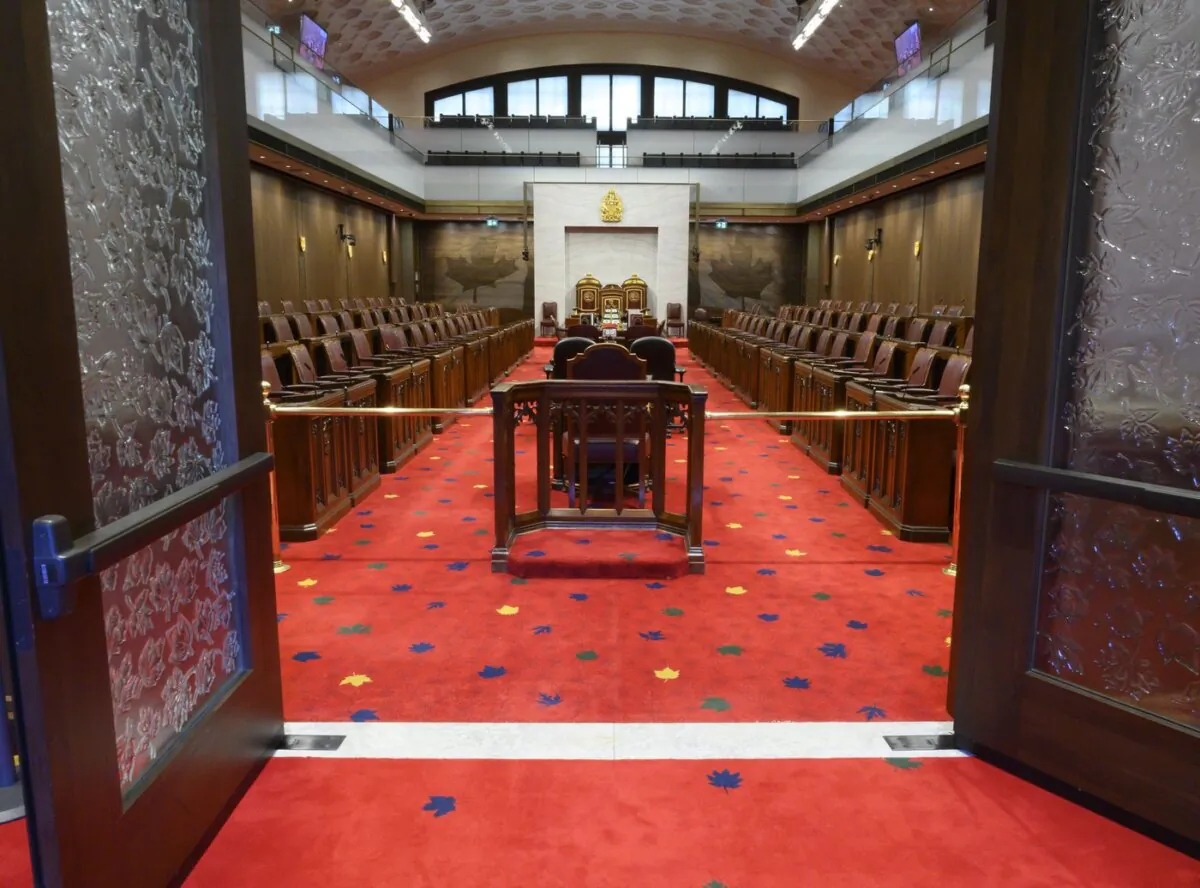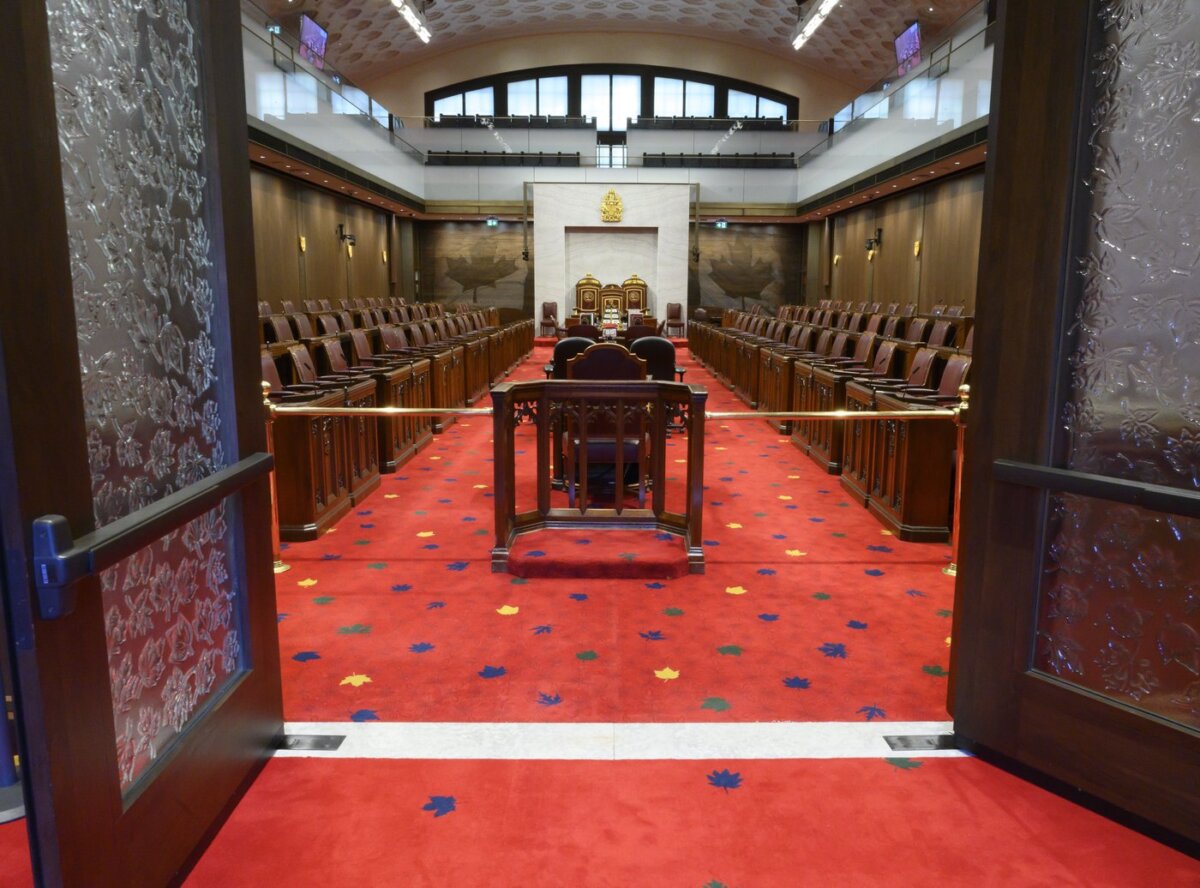

The Senate has amended the government’s hate crime bill to include the noose as a prohibited symbol during its review of the legislation.
The Combatting Hate Act, Bill C-9, completed third reading in the Senate on June 4, typically the last step in Parliament before a piece of legislation receives royal assent and becomes law.
With senators making an amendment to the bill, it must now be sent back to the House of Commons, where the Liberal majority government will be able to make a final decision.
The amendment was brought forward by Sen. Wanda Thomas Bernard, who said she was once told to “go back to Africa” by young men passing by in a pick-up truck with a noose hanging from the back.
“The noose is a current, relevant symbol of White supremacy that is used to intimidate and invoke fear in Black people,” she told the Senate.
Sen. Kristopher Wells expressed support for Thomas Bernard’s motion and said he was told by the government’s representative in the Senate that the government agrees with the amendment.
The amendment modifies Bill C-9’s section on the wilful promotion of hatred related to terrorism and hate symbols.
The bill says an offence is committed when someone wilfully promotes hatred against any identifiable group by displaying the symbols associated with listed terrorist entities in a public space.
Other listed symbols include the Nazi swastika and the Nazi double Sig-Rune, also known as the SS bolts. Bernard’s amendment adds a “noose” to that section.
Following the adoption of the amendment, Bill C-9 passed in third reading with 45 votes for, 13 against, and two abstentions. Those who opposed included Conservative Senators Denise Batters and Leo Housakos.
Before the bill passed in the upper chamber, senators on the human rights committee had proposed an amendment to criminalize residential school denialism. Some senators sought to make it an indictable offence punishable by up to two years in jail to wilfully promote “hatred against Indigenous peoples by condoning, denying, downplaying or justifying the Indian residential school system.”
Senators voted down the amendment 41 to 32, with the government representative in the chamber, Sen. Pierre Moreau, voting against it.
Along with creating an offence related to certain symbols, Bill C-9 creates a new hate crime offence and aims to criminalize obstructing access to certain places associated with an identifiable group, such as places of worship.
The bill, tabled by the Liberals when they had a minority government, initially lacked opposition support. The Bloc Québécois proposed to support the bill in exchange for the inclusion of an amendment to remove the religious defence to hate speech.
Conservatives have opposed the amendment, saying it would lead to the criminalization of religious scriptures, and have voted against the bill in the House of Commons, along with the NDP and the Green Party.
The Senate was flooded with mail from Canadians protesting the removal of the religious defence to hate speech proposed by Bill C-9. Over 200,000 postcards, however, were not delivered to senators and stayed in a Gatineau warehouse until June 3. They were moved to a Senate room on June 4 but were not immediately delivered.
Tory MP Andrew Lawton, who has spoken out against Bill C-9, said the volume of postcards shows the extent of Canadians’ disapproval of the bill, which he says will have “fundamental implications” for freedom of religion and expression.
The Liberals say Bill C-9 is a key element of their strategy to combat hate, including the rise of anti-Semitism.
Prime Minister Mark Carney, during his speech on anti-Semitism in Toronto on June 1, mentioned this bill as “foremost” among several pieces of legislation aimed at improving public safety.
Carney said the bill “addresses directly the rise in anti-Semitism, hate-motivated violence, and the targeting of communities.”
 Friends Read Free
Copy
Facebook
Tweet
Friends Read Free
Copy
Facebook
Tweet