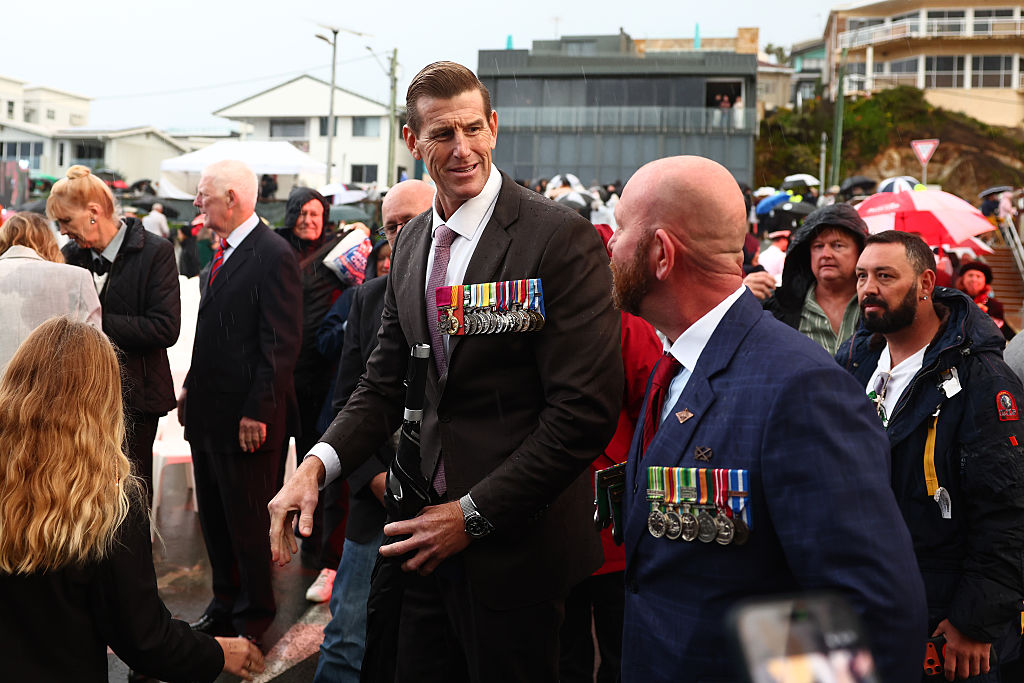

The Attorney-General’s Department has faced questioning on how much they knew leading into the highly publicised arrest of war veteran Ben Roberts-Smith.
During the Senate Legal and Constitutional Affairs Committee hearing on May 25, Liberal Senator Michaelia Cash pressed officials on what they knew about the circumstances surrounding the arrest, and whether they were briefed on it.
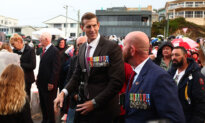
Roberts-Smith, a former SAS soldier and Victoria Cross recipient, was arrested by the Australian Federal Police (AFP) at Sydney Airport on April 7 on allegations relating to the deaths of five Afghan nationals during his service in Afghanistan.
He has since been granted bail and continues to deny the allegations, which were central to his unsuccessful 2023 defamation case against Nine Entertainment, the publisher that first reported them.
The attorney-general’s secretary, Katherine Jones, explained she did not have detailed knowledge of the procedure.
“I was made aware by the director general that the investigation was progressing, but in terms of the nature of the arrest, I don’t believe I had any detail on that,” Jones said.
Cash continued: “If you could take it on notice, was the Attorney-General or the department aware that Mr. Ben Roberts-Smith, through his attorney, offered to present himself at a police station for arrest if required?”
Jones said it was not information she was aware of, and the question was ultimately taken on notice, meaning a formal response would be supplied later.
Cash also asked whether Prime Minister Anthony Albanese or Attorney-General Mark Dreyfus was aware of the decision to prosecute Roberts-Smith, with officials again taking the question on notice.
The department said operational decisions around the arrest were “entirely a matter for the AFP.”
Questions on Immunity for Soldiers Testifying Against BRS
Cash’s questioning extended beyond the arrest to the legal framework around war crime prosecution, specifically section 268.121 of the Criminal Code, which requires the attorney-general’s approval before a prosecution can go ahead—a mechanism designed to ensure political accountability.
She also queried whether the attorney-general had been briefed on immunity arrangements granted to four former SAS soldiers who agreed to give evidence against Roberts-Smith, and whether those decisions aligned with the intent of the law.
“Is the attorney-general satisfied that the grant of immunity to persons who admitted involvement in the killing of Afghan detainees is consistent with the spirit and intent of the Section 268.121 consent framework that Parliament designed to ensure political accountability for war crimes prosecutions?” Cash asked.
Sarah Chidley, deputy secretary to the attorney-general, said she could not comment due to the matter being before the courts. It was also taken on notice.
Proponents of Roberts-Smith have been highly critical of how the AFP handled his arrest, due to the presence of Nine Entertainment media and because it was in the presence of his children.
After being granted bail in April, Roberts-Smith called his arrest an “unnecessary spectacle.”
“I understand this is an unprecedented case and the public interest is huge, and the media has a job to do, which they should be allowed to do,” he said.
“But I would ask that the media please allow my family their privacy at this time, particularly my children, who have already unfortunately suffered through a deliberate, sensational arrest.”
 Friends Read Free
Copy
Facebook
Tweet
Friends Read Free
Copy
Facebook
Tweet