
A public health unit in southeastern Ontario is investigating a gastrointestinal illness in the Kingston region after more than 100 people have fallen ill.
An investigation was launched early last month following multiple reports of gastrointestinal ailments in the Kingston region, the Southeast Public Health Unit said in a June 4 advisory.
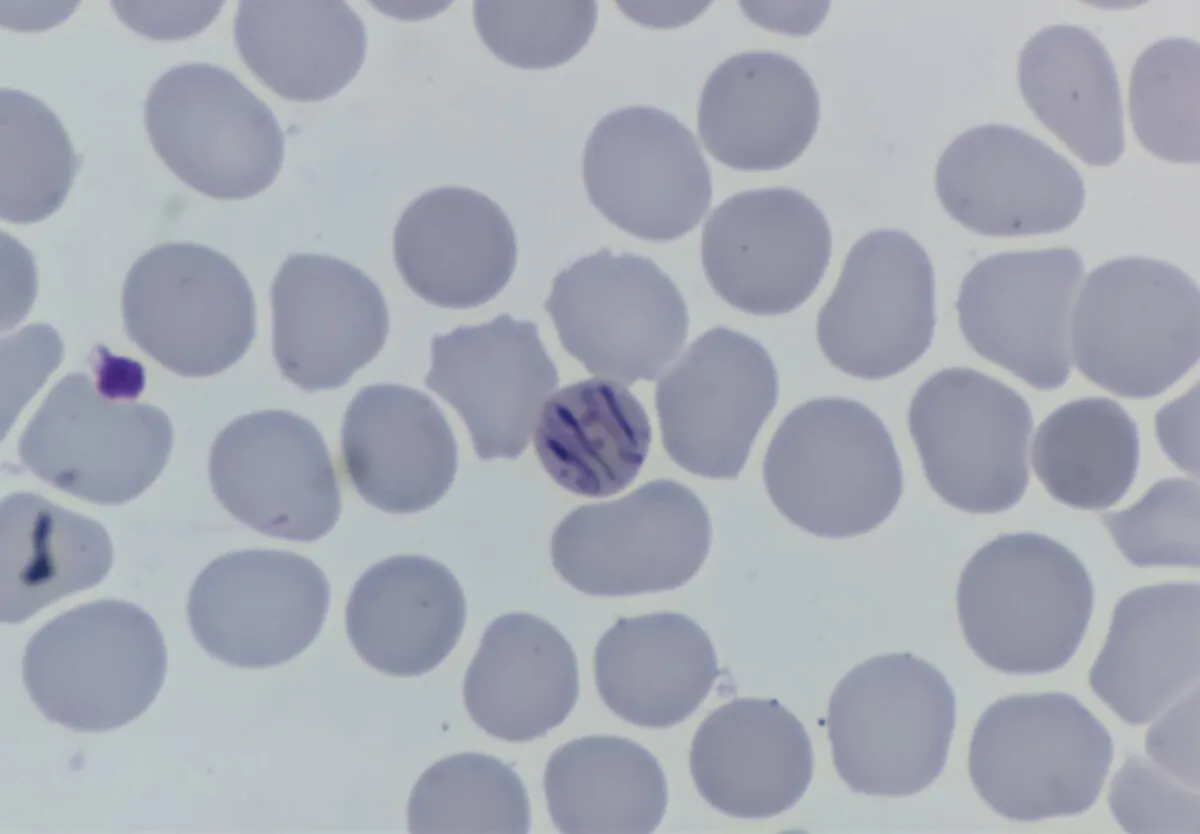
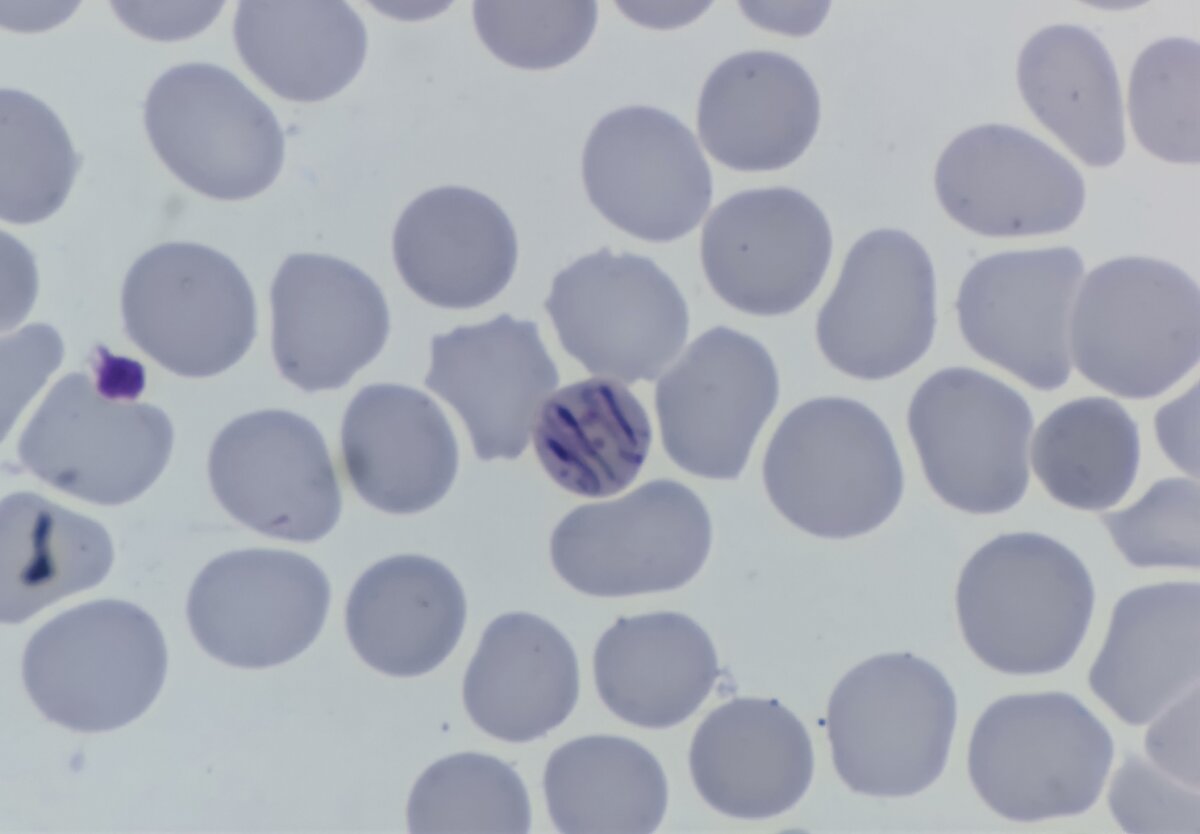
Authorities confirmed this week that the illness is cryptosporidiosis, a stomach illness caused by a microscopic parasite known as Cryptosporidium.
The Southeast Public Health was investigating 114 cases of the intestinal illness as of June 2 and the source remains under investigation.
One of the most common causes of cryptosporidiosis is swallowing contaminated recreational water from a pool, hot tub, splash pad, or lake, or by drinking untreated water.
Water samples were collected from several locations throughout Kingston and at the city’s water treatment plant, but all tested negative for the parasite, the health unit said.
The illness can also come after consuming food tainted by the parasite or through exposure to infected feces from humans or animals.
Symptoms and Treatment
The symptoms of cryptosporidiosis generally begin two to 10 days after a person contracts the parasite and last an average of one to two weeks, the health unit said.
Some individuals may experience a temporary improvement in their condition for a few days, only to feel unwell again before achieving full recovery, while others remain asymptomatic throughout the course of the infection.
The ailment can produce symptoms such as diarrhea, nausea, vomiting, stomach pain or cramps, fever, and a general feeling of fatigue or weakness. The health unit suggests consulting a health-care provider in cases of severe symptoms or if diarrhea lasts longer than 48 hours.
The majority of individuals affected by cryptosporidiosis recover without the need for treatment, the health unit said. Those with compromised immune systems caused by medications or health conditions, including those undergoing cancer treatment, might encounter more severe symptoms and require medication.
“Cryptosporidiosis can spread from person to person, but there are steps that can be taken to help minimize the spread of illness in our community,” the health unit said.
To reduce the transmission of illness, the health unit strongly advises people to stay home when they are sick as well as for at least 48 hours after diarrhea has ended. It is also recommended that individuals do not use pools, hot tubs, and splash pads for 14 days after their diarrhea has subsided.
Frequent hand-washing with soap and water, particularly before meals, during food preparation, when feeding children, and after using the restroom or changing diapers is also key, the health unit said.
Hand sanitizer is not effective against cryptosporidium, the health authority said. The outer shell of the parasite is tough, making it highly resistant to alcohol and standard chlorine disinfectants.
Anyone who is ill or wants to learn more about cryptosporidium can visit the Southeast Public Health Unit’s website.
 Friends Read Free
Copy
Facebook
Tweet
Friends Read Free
Copy
Facebook
Tweet