
Content warning: This article contains descriptions of animal cruelty that some readers may find distressing.
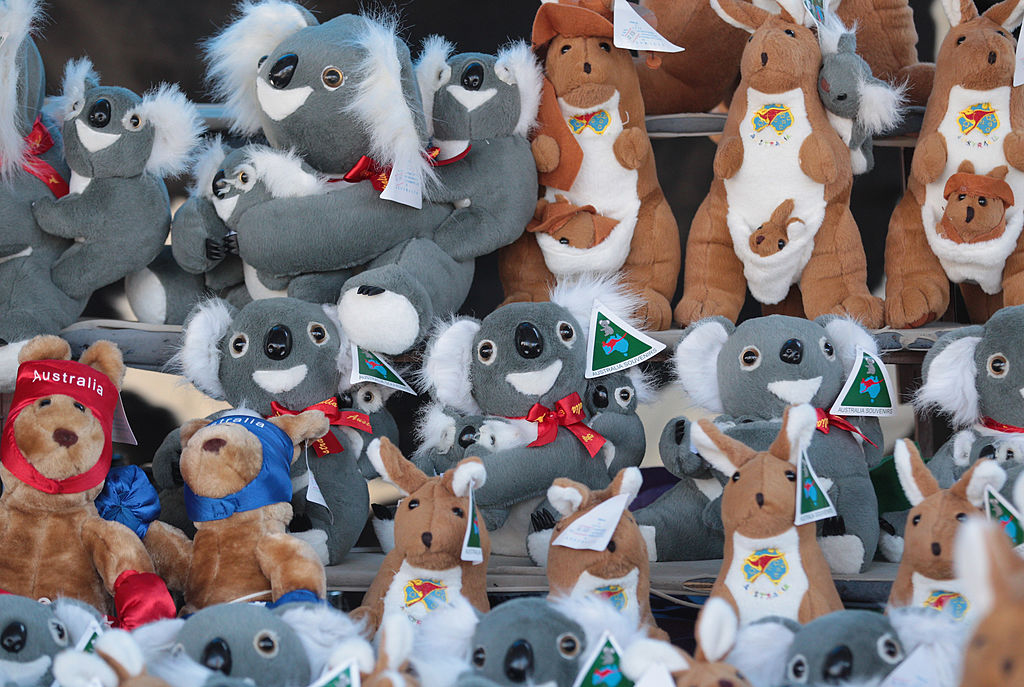
Australia loves to advertise itself with animals. Kangaroos are our coat of arms. Koalas run the global marketing department. Brumbies are immortalised in Banjo Paterson’s verse. We use them as mascots, export them as plush toys, and stitch them onto tracksuit pants.
And yet, in the paddocks and national parks where they actually live, these same creatures are being shot in their millions. Officials call it “culling.”
The argument is that it prevents starvation in drought, protects fragile habitats, and saves farmers’ crops. But critics, scientists, carers, and conservationists say it’s cruel, secretive, and often unnecessary.
There are many opinions on this issue, yet the way we form these matters, especially for the animals who pay the price.
Kangaroos: National Icon, Convenient Scapegoat
Over the last two decades, some 90 million kangaroos and wallabies have been shot. That’s three million adults a year, more than the population of Brisbane, with most killed for meat and skins.
Government figures from commercial harvest zones put kangaroo numbers at about 31-35 million in 2023, up from around 27 million in 2009. The true national total is likely higher, but isn’t directly measured.
Farmers like Stuart Dawson at Murdoch University say culling prevents overgrazing and starvation, and even argue Australians should eat more kangaroo, low-fat, free range, and, he insists, “environmentally sustainable.”
But the story of kangaroos stealing feed from cattle and sheep doesn’t quite hold up under the microscope. Yes, kangaroos eat grass, but they eat different parts of it. Decades of science show they only compete seriously with livestock during extreme droughts.
The other justification, that shooting them saves them from starving, is the sort of logic that would make Orwell nod grimly. Commercial shooters don’t target the weak or the frail; they go for the big, healthy animals. Which means the mobs left behind are the fragile ones, least able to cope with drought.
As Mick McIntyre, co-founder of Kangaroos Alive, puts it, “the idea that commercial shooters are doing kangaroos a favour is fanciful at best, and grotesque at worst.”
McIntyre bristles at the word “cull.” “It’s killing,” he says flatly. “And it’s done by a commercial industry with a profit incentive to kill more, not fewer kangaroos.”
He points out that kangaroos are slow-breeding animals, intelligent and social, and yet they are treated as pests to be disposed of like mice in a grain silo.
Hygiene hasn’t helped the image either. Kangaroo meat samples have shown high bacterial levels, and a past outbreak of toxoplasmosis traced to undercooked roo meat gave the industry a headache that no amount of parsley garnish could fix.
Alternatives, like fertility control trials in the Australian Capital Territory, show promise. Public sentiment is also shifting: a 2023 survey by Kangaroos Alive found a growing preference for coexistence over killing.
The suffering is not theoretical. A parliamentary inquiry in New South Wales heard evidence that up to 40 percent of kangaroos are not shot cleanly in the head as required, but left to stagger and die slowly.
And the joeys? Advocates estimate that about 1.1 million of them are killed as “collateral damage” each year.
Industry guidelines recommend one of two methods: decapitation with a sharp blade, or a single forceful blow to the skull, often delivered by the end of a rifle or the tow bar of a ute.
For an animal that appears on our coat of arms, it’s a jarring fate.
Brumbies: Romance Meets Reality
Brumbies carry a different weight, less commercial and more cultural. They are Australia’s wild horses, linked with Snowy River legends and wartime service. To their defenders, they’re living heritage.
To park managers in Kosciuszko, they’re a problem. The National Parks and Wildlife Service says brumbies trample fragile alpine ecosystems and degrade waterholes. Its chosen solution is aerial shooting, endorsed by the RSPCA as the most “humane” method.
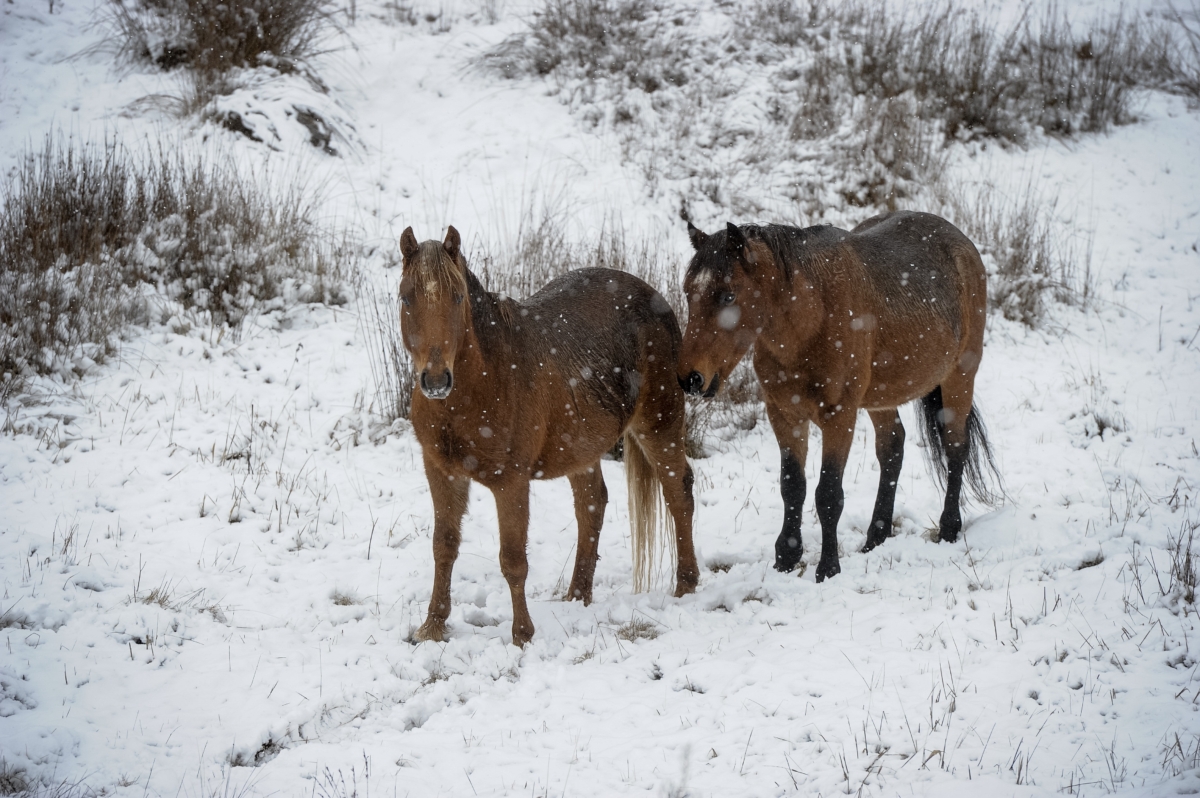
But Jan Carter, who founded Save The Brumbies, has a different description. “Humane? It’s a joke,” she says. She’s seen mares left alive but gut-shot, foals starving beside them, carcasses fouling local water supplies. “Plants don’t bleed. Horses do.”
Her group has trialled fertility control with a 95 percent success rate and has successfully rehomed hundreds of brumbies across the country. The alternative exists, she says, but it’s ignored. “The drug is cheaper than a bullet, but it’s always the same. If we don’t want it, just shoot it.”
Supporters of shooting argue that the fragile alpine ecosystem can’t withstand large numbers of horses, and that fertility control can’t reach the scale required.
Koalas: Compassion or Convenience?
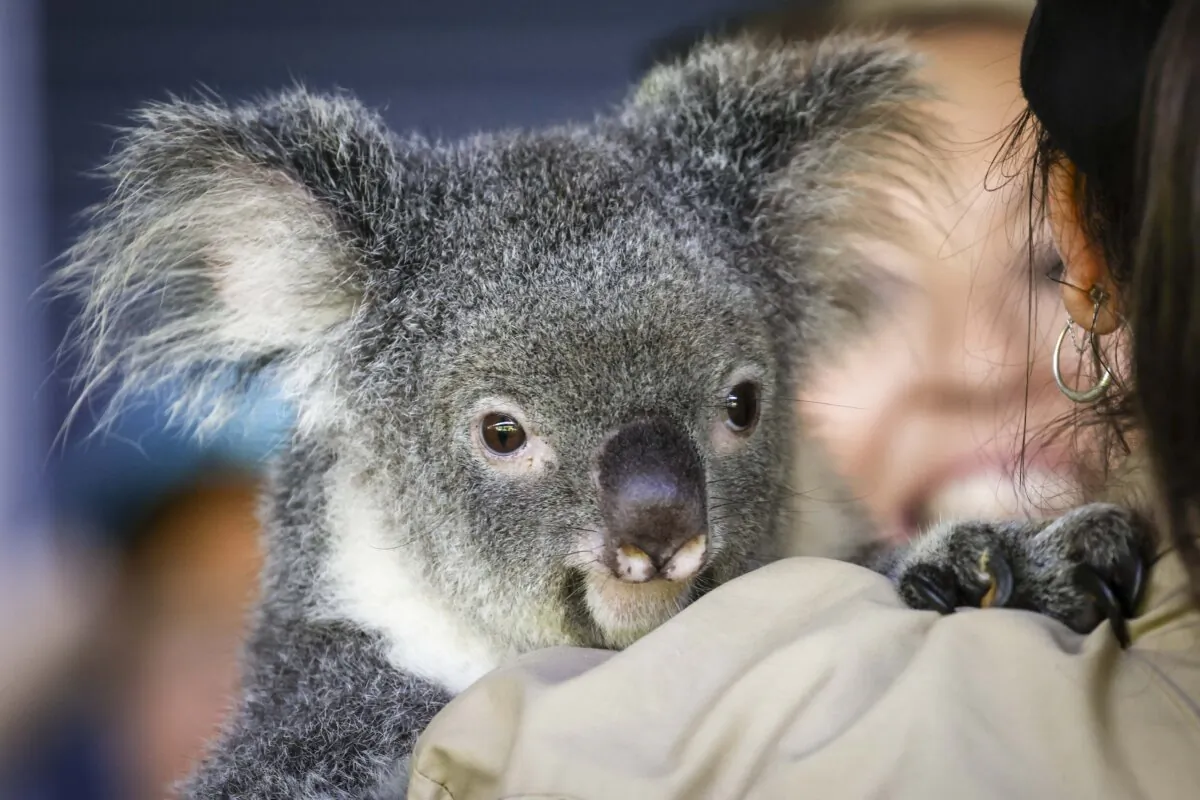
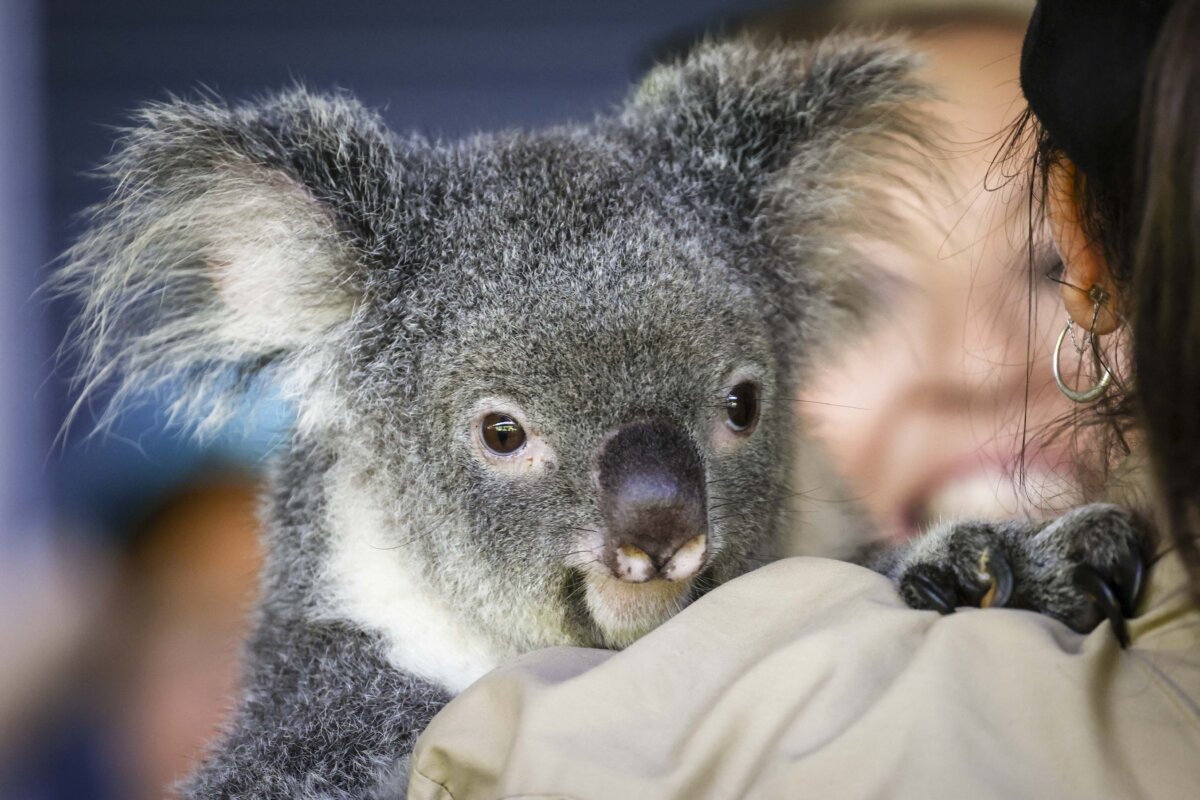
Koalas should be immune from all this. They’re the ones we hug in tourist centres; the ones we build sanctuaries for. But even koalas are not safe if they’re in the wrong place at the wrong time.
In 2020, more than 1,000 were shot from helicopters in Victoria’s Budj Bim National Park, after a fire reduced food supplies. The Department of Energy, Environment and Climate Action (DEECA) described it as compassionate euthanasia.
Sue Arnold, founder of Australians for Animals, calls it what it looked like: a cull. “There was no ground truthing to see if animals were wounded, orphaned, or even dead,” she says. “Shooting terrified koalas from helicopters has never been done before. We don’t want this precedent set.”
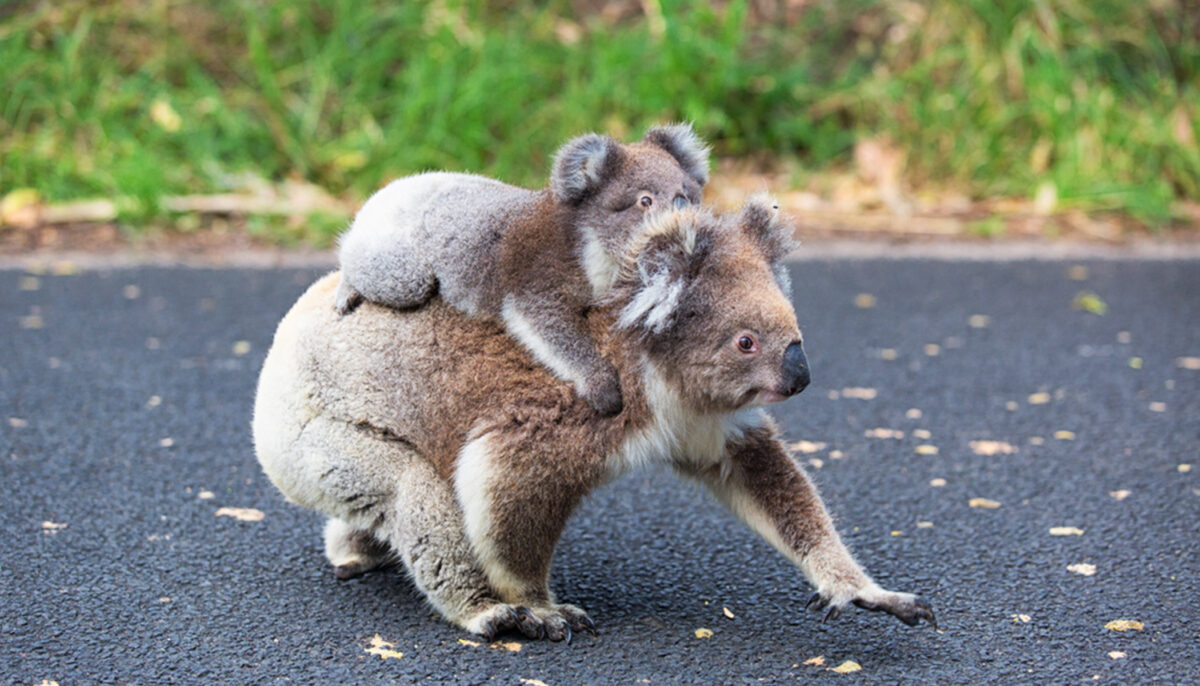
Her group has launched legal action, with a Supreme Court hearing in September. She wants helicopter shooting permanently banned.
Critics say the whole operation was shrouded in secrecy. Shooters firing from 30 metres up into shaking trees were expected to dispatch small, camouflaged animals instantly. No vets were on the ground to confirm deaths or check pouches.
“Healthy koalas could have been netted and rehabilitated,” says Michael Fox, an American vet consulted on the operation. Instead, silence fell as shots rang out, and carcasses dropped from the canopy.
Where To From Here?
Authorities argue that without culling, kangaroos will starve in droughts, brumbies will ruin alpine ecosystems, and koalas will overwhelm degraded plantations.
Perhaps there is truth in some of this. Populations can exceed what landscapes can support. But the evidence also shows that numbers are often exaggerated, and that the methods of killing are riddled with cruelty, secrecy, and lack of oversight.
What unites all three debates is the uncomfortable collision between affection and management. Australians love these animals, totemic, cultural, cuddly, but living alongside them is complicated.
Critics argue kangaroo populations are overestimated, brumby impacts overstated, and koala culls under-scrutinised.
Supporters of culling say the alternatives are unworkable at scale. Non-lethal options such as fertility control, rehoming, rehabilitation, and better habitat management exist. They may cost more, and they take more patience, but they don’t involve joeys having their skulls crushed on the back of a ute, or foals left beside dying mares, or koalas shot from a helicopter into the branches of a tree.
The real question is how much inconvenience and cost we’re willing to bear to manage these animals without bloodshed. And perhaps, as with many Australian debates, the answer lies in what kind of country we want to be remembered as: the one that sold its icons by the kilo, or the one that learned how to live with them.
 Friends Read Free
Copy
Facebook
Tweet
Friends Read Free
Copy
Facebook
Tweet