

Saša Peci says when news first broke of Labor’s proposed overhaul of wealth creation avenues in Australia it spurred a flurry of activity in the local real estate market.
“We went from 14 open homes, and in the space of four weeks, to 59 open homes for sale in a suburb that covers a two kilometre radius on the outskirts of Logan,” the real estate agent told The Epoch Times.
Peci services the master-planned suburb of Yarrabilba in Logan, south of Brisbane—traditionally a working class region that overlaps with Treasurer Jim Chalmer’s electorate of Rankin.
Peci warns that the government’s overhaul of negative gearing, capital gains tax, and trusts will have limited impact on assisting young Australians buy a home if migration rates remain strong.
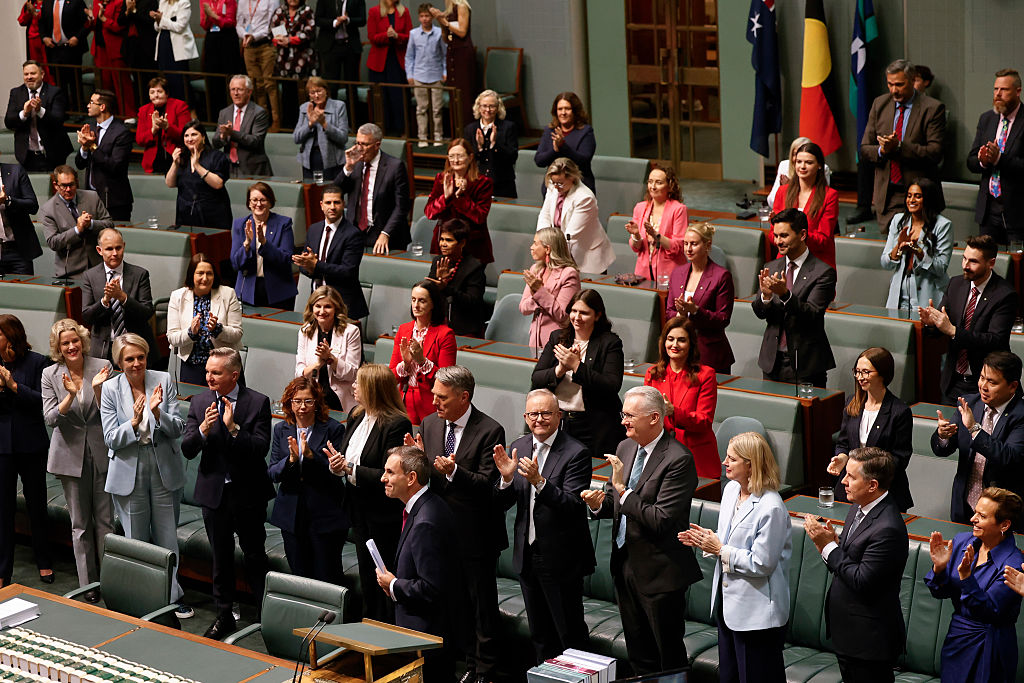
On May 12, Treasurer Chalmers announced he would remove the 50 percent capital gains tax (CGT) discount so that those selling investment assets like shares, crypto, and property will be liable for a higher tax.

Another is removing negative gearing from property investments, meaning investors can no longer deduct losses from their property against their taxable income, except for new builds.
The overall effect is likely to disincentivise investors from entering the property market.
“I understand that there are people who would rather us leave things exactly as they are,” said Treasurer Chalmers.
“People who think the housing market and the tax system is working just fine, but we don’t think that it is, and that’s because too many Australians, and particularly young Australians are being locked out of that aspiration, that dream of owning their first home,” Chalmers told Sky News Australia on May 13.
However, Peci says he doesn’t agree with that assessment.
“I don’t agree. Because if the [current renters] were in a position to borrow, they would buy already. There’s a whole cohort of people that actually can’t afford to borrow. They can’t afford to save up a deposit to purchase property,” he said.

Even new home buyers on the federal government’s generous five percent deposit scheme are in a “very tight” financial situation, Peci said, and that many he encountered were entering the market about two-to-three years earlier than they can afford.
The agent also says don’t expect real estate prices to drop either.
“It can in certain pockets that are over-leveraged. The ones that have to sell, they will drop the price and sell,” said Peci. “But from my understanding of the latest data in February, 95,000 people migrated to Australia—those will be [prospective] home buyers within 12 months [competing with locals].”
Peci says in his suburb about 90 percent of buyers are migrants or buyers linked to overseas families.
“These people are coming from India, from Pakistan, they’re coming from different parts of the world, and they come with money. So your average Australian is going to miss out,” he said.
The latest budget papers estimates about 1 million new migrants will arrive in Australia by 2028.
Lack of Supply Remains Biggest Issue: Agent
Queensland-based owner of Remax Precision, Scott Mackey, says the budget changes could prompt some landlords to sell, but not enough to significantly shift the market.
“If capital gains tax concessions are reduced and negative gearing is restricted, owning a rental property becomes less attractive for some investors—particularly those relying on tax benefits rather than rental income,” he told The Epoch Times.
“That is likely to push a portion of landlords, especially smaller or highly geared ones, to consider selling.”
But Mackey said any impact on prices would likely be limited, as strong owner-occupier demand—particularly for homes under $750,000—would absorb much of that extra supply.
“Prices may soften or grow more slowly, but I would not expect a sharp drop,” he said.
He added that lower prices alone would not solve affordability issues, with many lower-income households still facing rising living costs and higher interest rates.
“The bigger issue remains the lack of housing supply, particularly at the affordable end of the market,” he said, arguing private landlords had helped fill a gap left by insufficient government-funded housing.
Mackey said Labor’s negative gearing changes could push investors toward new builds, though these are often too expensive for first-home buyers. But he also warned that if investors exit the market too quickly, rental shortages could worsen.
Overall, Mackey expects the changes to slightly cool investor demand, modestly help first-home buyers and encourage new housing—if implemented carefully—but said the bigger challenge remains increasing supply fast enough to meet demand.

Government Admits Tax Changes to Impact Home Builds
In Budget documents, the government says it expects around 75,000 extra Australians to become homeowners over the next decade.
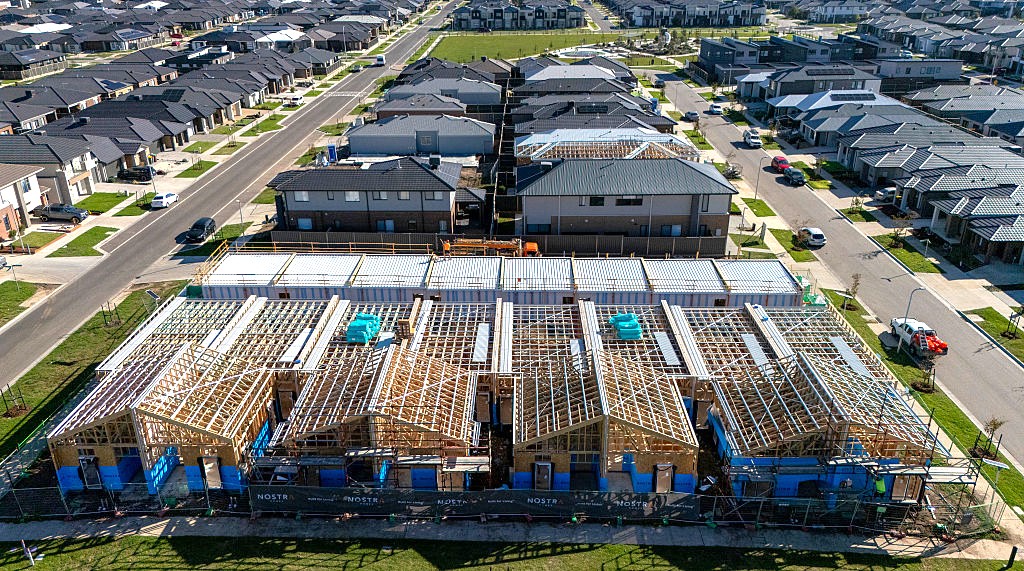
Yet the government also acknowledges that around 35,000 fewer homes are likely to be built in the next 10 years due to its tax changes, but argues the loss will be offset by a new $2 billion infrastructure fund which it claims will provide an additional 65,000 new builds.
“The reforms are likely to have a small impact on rents, with an expected increase of less than $2 per week for a household paying the current median rent,” the budget documents claim, adding that the government’s policies will eventually lead to downward pressure on rents.
The Real Estate Institute of Australia (REIA) says while the budget’s $2 billion housing infrastructure fund is a positive step, changes to negative gearing and capital gains tax were likely to undermine housing supply, with modelling predicting about 25,000 fewer homes.
“The only meaningful way to improve housing affordability is to get more homes built,” said REIA President Jacob Caine in a statement.
“Australia is already well behind the National Housing Accord target of 1.2 million new homes, so we need policies that support investment and new housing supply, not policies that make delivery harder.”
 Friends Read Free
Copy
Facebook
Tweet
Friends Read Free
Copy
Facebook
Tweet