
Conservative MPs are questioning why chief public health officer isn’t directly answering questions on whether consuming illegal fentanyl is safe.
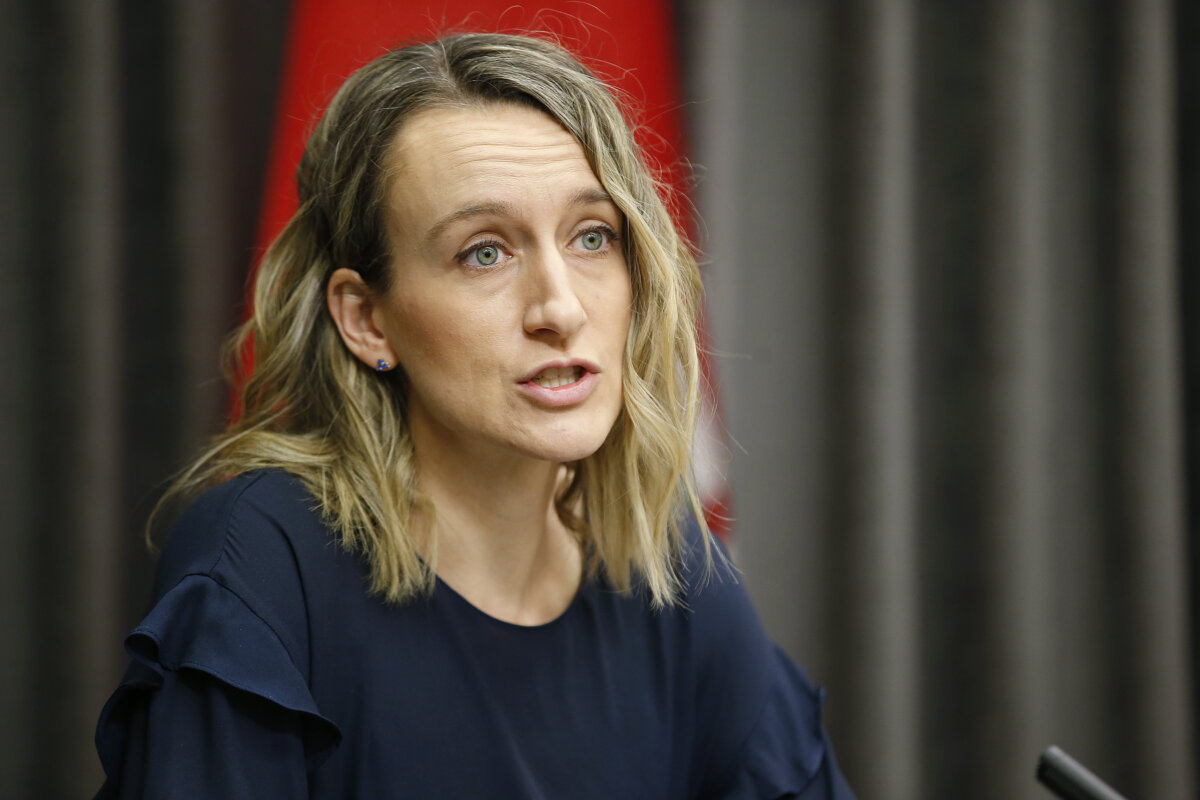
The newly appointed Chief Public Health Officer Joss Reimer faced questions from MPs as she appeared before the parliamentary health committee on April 30, less than a month after taking on the role.
During the meeting, Conservative MP Dan Mazier asked Reimer, “Is consuming illegal fentanyl safe, yes or no?”
“The toxic drug crisis is a complex situation, and it requires a complex response,” Reimer replied.
Reimer served as chief medical officer for the Winnipeg Regional Health Authority from 2022, and became head of the Canadian Medical Association (CMA) in 2024. She became Canada’s chief public health officer on April 1 of this year.
As Mazier repeatedly asked her to clarify her stance on fentanyl injection, Reimer said “there are risks associated with” both legal and illegal substances and the Public Health Agency of Canada tries to provide the “safest options” for Canadians.
“The toxic drug crisis is a complex issue, of which supervised consumption is one area that we need to use in our response,” she added.
Conservative MP Matt Strauss, who is a medical doctor and was formerly a regional medical officer of health, also pressed Reimer on why she wouldn’t recommend people avoid injecting illegal substances. Strauss said that as a physician, he would have “no hesitation” telling a patient it is “inadvisable” to inject illicit substances.
“Why do you not feel able to make that recommendation?” he asked.
Reimer said she had provided a “complex response” and wanted to offer “a more fulsome answer that includes the risks and benefits and how we can reduce harms.”
The Conservative Party opposes supervised injection sites and instead supports a recovery-focused approach to addiction treatment. Supporters of the harm-reduction model argue that approaches such as safe injection sites help reduce overdose deaths and lessen the stigma associated with addiction.
Health Canada says the country has dozens of safe injection sites, with exemptions under the Controlled Drugs and Substances Act that allow people to consume illegal drugs. Health Canada states these sites provide a safe and sanitary space for people to use drugs in the presence of trained staff, which prevents overdoses and the spread of diseases through contaminated needles.

In March, the Ontario government said it was cutting provincial funding for seven supervised drug consumption sites, including two in Toronto, two in Ottawa and one each in Niagara, Peterborough, and London. Premier Doug Ford had long criticized the sites, describing them as “failed policy” and a “haven for drug dealers.” He argued that neighbourhoods near the sites were experiencing problems such as discarded needles and public disorder.
Beginning in 2023, British Columbia ran a pilot program that decriminalized personal possession and use of 2.5 grams or less of cocaine, methamphetamine, MDMA, and opioids in an effort to reduce the stigma around drug use and encourage users to quit. However, the province ended the program after just over one year of the planned three-year trial, with Premier David Eby citing concerns about public drug use and community safety.
Pandemic
Conservatives clashed on other issues with Reimer during the committee meeting, including public health’s handling of the pandemic.
Strauss questioned Reimer on Canada’s response to the COVID-19 pandemic and asked for her observations of Canadians’ trust in public health institutions. He asked Reimer whether measles vaccination rates had gone down while she was president of the CMA.
Reimer said Canada had seen a “decrease in childhood vaccine uptake across the country,” which had contributed to measles infections rising. Canada officially lost its measles elimination designation in November 2024, which it had held for almost three decades, after failing to interrupt transmission of the virus within one year of its outbreak.
When Strauss asked why vaccination rates for measles went down, Reimer said many Canadians were distressed during the COVID-19 pandemic because of the “decisions that public health made, whether those were the right or wrong decisions.” Reimer said many Canadians lost their jobs and access to friends and family, while other Canadians lost loved ones.
Reimer said while public health professionals did not “function perfectly,” they made the best decisions they could with the information they had at the time.
Stauss told Reimer that some Canadians had told him of their mistrust of COVID-19 vaccines and anger with vaccine mandates. He said the COVID-19 vaccine’s risks appeared to outweigh the benefits for many young Canadians.
“I think that is a source of profound and ongoing loss of trust. And until that’s acknowledged, I don’t see that being repaired. So I’d like to know what reflections you have on that,” he said.
Reimer said she appreciated Strauss’s comments, and acknowledged it was a “really difficult time” for everyone. Reimer said all public health decisions at the community level can benefit some groups of people to the detriment of others, “and that’s a difficult balance to make.”
“I know the Public Health Agency of Canada takes very seriously that the decisions that we need to make will always need to balance benefits and risks for all Canadians, and that’s what makes the job difficult, but also what makes it so important,” she said.
 Friends Read Free
Copy
Facebook
Tweet
Friends Read Free
Copy
Facebook
Tweet