
President Donald Trump has vowed to intervene to halt renewed clashes that have shattered the cease-fire he helped secure earlier this year between Thailand and Cambodia, as both sides traded accusations of targeting civilians with artillery, rockets, drones, and airstrikes.
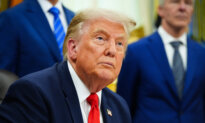
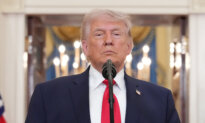
Speaking at a rally in Pennsylvania on Dec. 9, Trump said clashes had again erupted in the long-disputed border region, less than two months after he helped broker a cease-fire between the two countries.
“I hate to say this … Cambodia, Thailand … it started up today and tomorrow I’ll have to make a phone call,” he told the crowd. “Who else could say, ‘I’m going to make a phone call and stop a war of two very powerful countries, Thailand and Cambodia.’ They’re going at it again, but I’ll do it.”
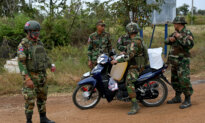
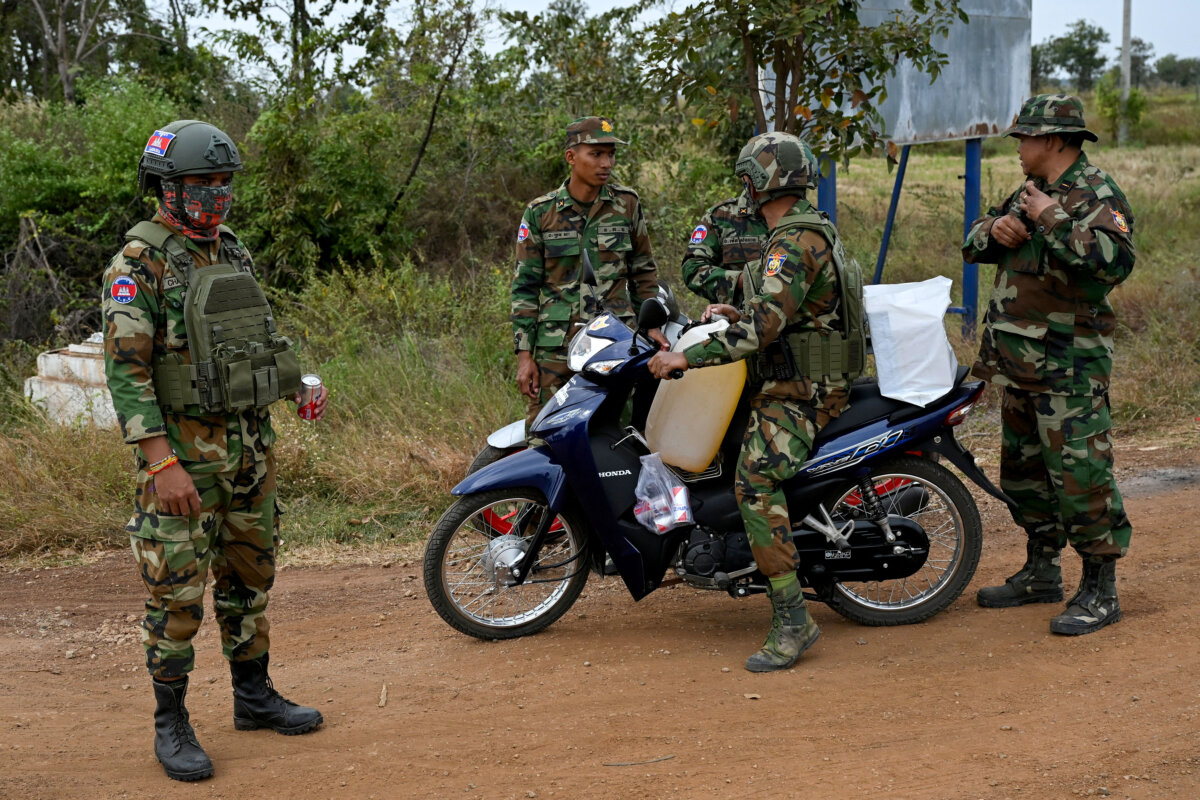
The renewed hostilities erupted in recent days along more than a dozen points on the 508-mile border between the two countries, the most intense fighting since a five-day battle in July that Trump halted with calls to both leaders. That cease-fire, brokered with help from Malaysian Prime Minister Anwar Ibrahim and backed by tariff pressure from Washington, collapsed this week amid spiraling violence.
Accusations of Civilian Strikes
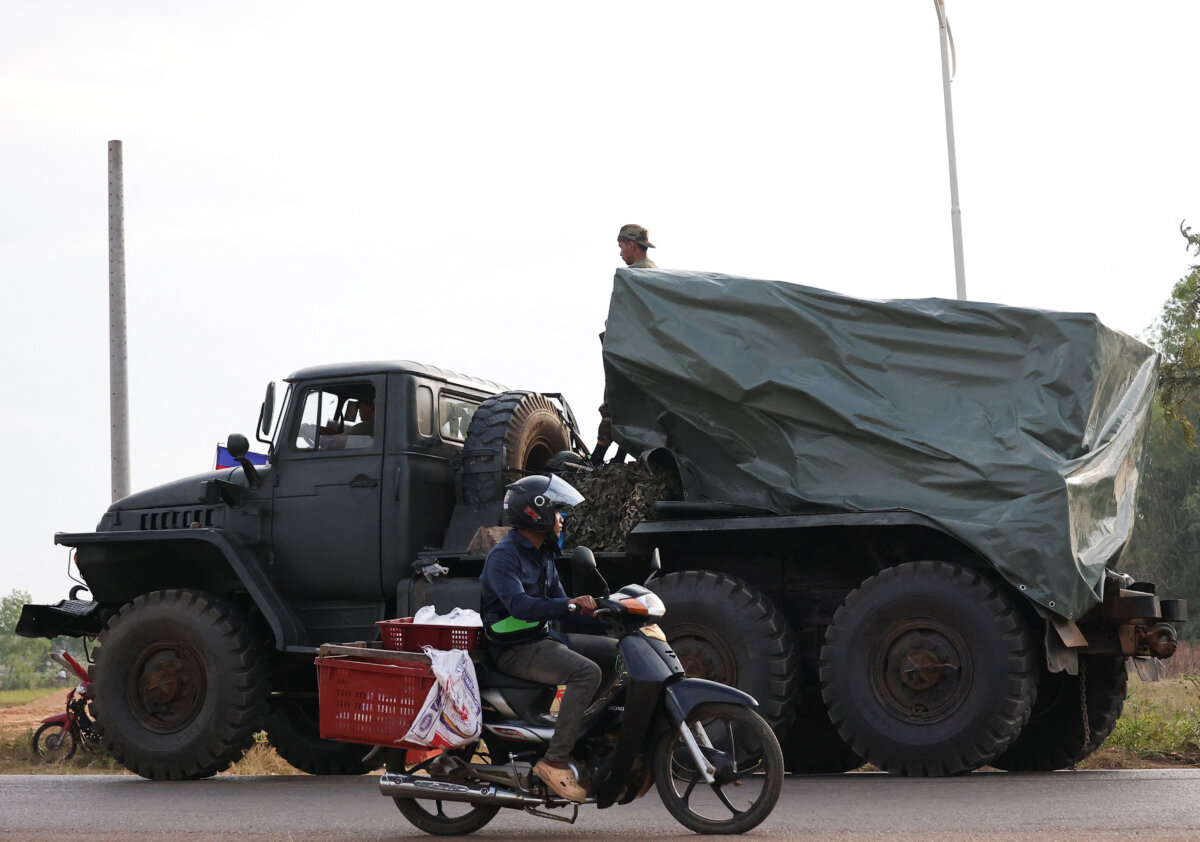
Both governments accused the other of launching attacks that struck civilian areas. The Thai army stated that Cambodian forces fired BM-21 rockets near a hospital in Surin Province, Thailand, forcing an evacuation of patients and staff, and used drones to drop bombs along multiple fronts, including near the contested 11th-century Preah Vihear Temple. Tanks had also been deployed, the army said.
“Thailand upholds peace and humanitarian principles,” Rear Adm. Surasant Kongsiri, a spokesperson for the Thai Ministry of Defense, said in a Dec. 10 statement. “We do not initiate aggression, but we are ready for self-defense. We focus on protecting civilians and resolving border issues through peaceful means, and we will not allow any violations of our sovereignty.”
The Cambodian military countered that Thailand had shelled homes, deployed armed drones, and sent F-16 fighter jets into Cambodian airspace, alleging that some strikes had landed near populated areas.
“Cambodian forces have been fighting fiercely against the advancing enemy and have stood firm in their role of protecting Cambodia’s territorial integrity,” the country’s defense ministry said in a statement.
Cambodia reported nine civilians killed, including an infant, and 46 wounded. Thai officials said five soldiers had died and 68 people were injured. Tens of thousands of people have fled their homes, with nearly 126,000 shelters set up on the Thai side alone. Cambodia said almost 55,000 people were evacuated.
Leaders Signal No Immediate End to Combat
Statements from both sides underscored the difficulty Trump faces in trying to revive diplomacy.
Thai Prime Minister Anutin Charnvirakul on Dec. 9 dismissed suggestions that talks were imminent and said military operations would not stop.
“We’ve got to do what we’ve got to do,” he said. “The government will support all kinds of military operations as planned earlier.”
When asked about Trump’s planned intervention, he said the conflict was a bilateral matter.
“Other national leaders may have good intentions in wanting peace,” the prime minister told reporters. “It cannot be as simple as picking up the phone and calling. There must be proper appointment and agreed talking points. We still have time to prepare these issues if such discussions are to take place.”
Cambodian Senate President Hun Sen, widely seen as the country’s de facto leader, vowed that there would be a fierce response, saying that Thailand had forced Cambodia to retaliate.
“Cambodia wants peace, but Cambodia is forced to fight back to defend its territory,” he said in a statement.
A Cambodian government spokesman said Cambodia sought only peace and had acted in self-defense, while a senior adviser to Cambodian Prime Minister Hun Manet indicated that Cambodia was ready to negotiate.
The July truce was reached after Trump threatened to withhold trade privileges from the two nations. The two countries signed a peace agreement in Kuala Lumpur, Malaysia, on Oct. 26, but the truce has been steadily eroding since.
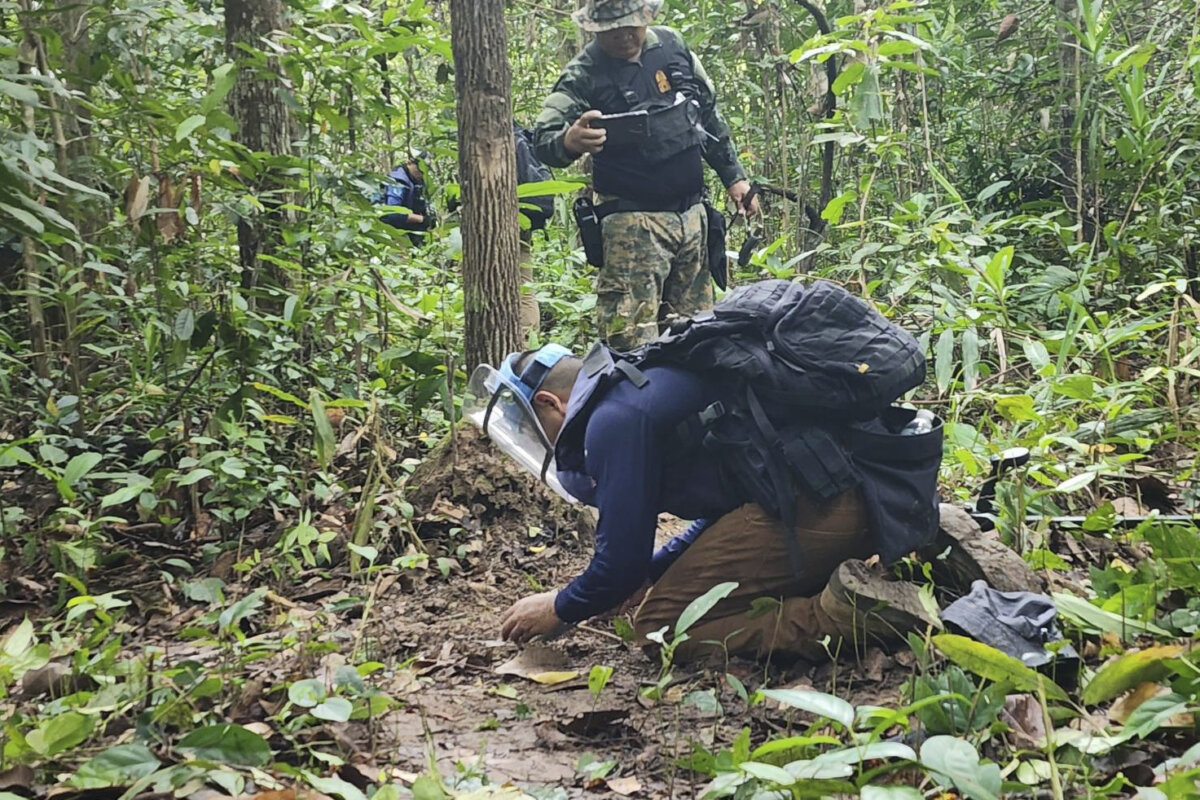
Thailand suspended the cease-fire in November after several Thai soldiers were maimed by what it said were newly laid Cambodian landmines. Cambodia rejected the accusation.
Reuters and The Associated Press contributed to this report.
Correction: A previous version of this article misstated the month in which Thailand suspended the cease-fire. The Epoch Times regrets the error.
 Friends Read Free
Copy
Facebook
Tweet
Friends Read Free
Copy
Facebook
Tweet