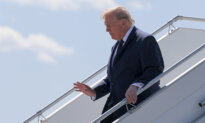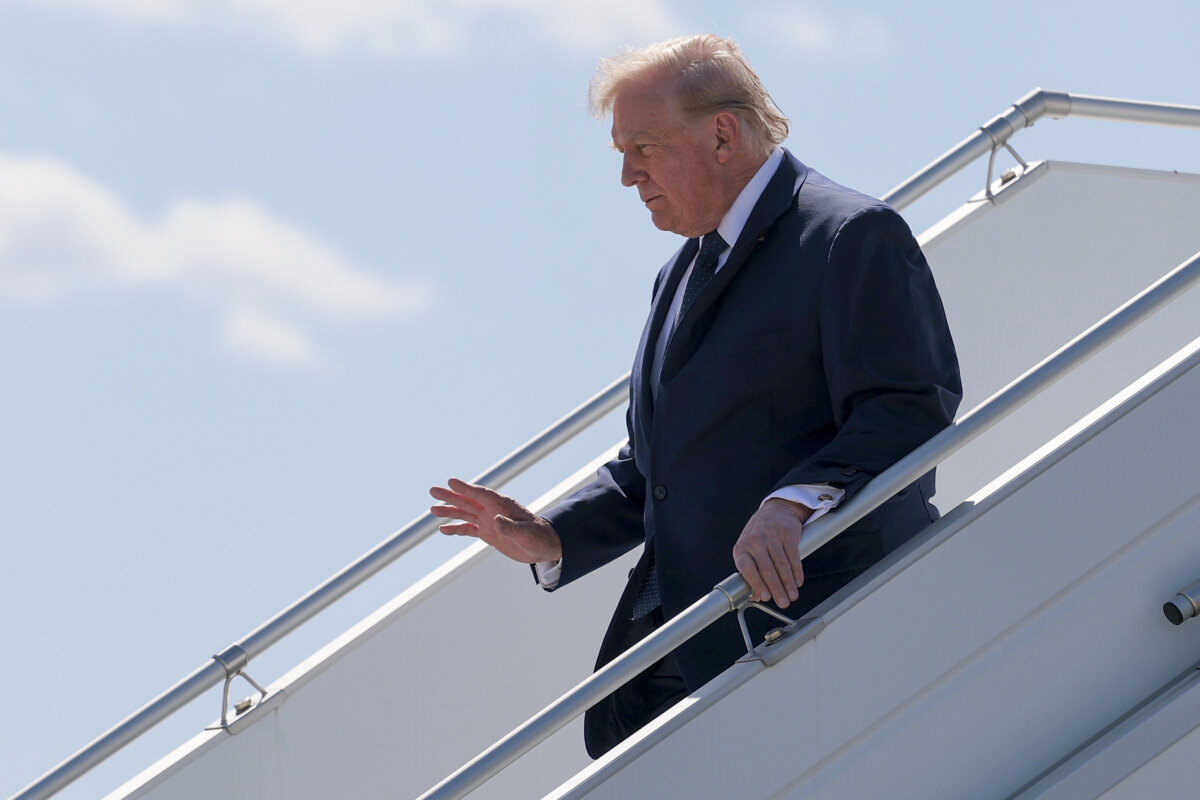

U.S. President Donald Trump refuted claims that the Trump administration will invest money in a fund for Iran’s reconstruction as part of a deal to end hostilities.
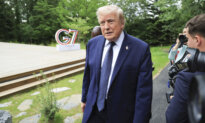
“We are not investing any money in Iran, by the way, and … that rumor got out there yesterday was ridiculous,” he told reporters at the G7 summit in France on June 16. “We have the right to go in some day and do, if I want to do something, or if somebody wants to do something, but we are not investing any money.”
Trump, in a June 15 post on X, also dismissed reports of the Iranian regime possibly getting a large sum of money from the United States under a peace deal that was announced on June 14.
“Iran has agreed to never have a Nuclear Weapon! Also, the story that the U.S. is paying Iran 300 million Dollars is Fake News,” he wrote in the post.
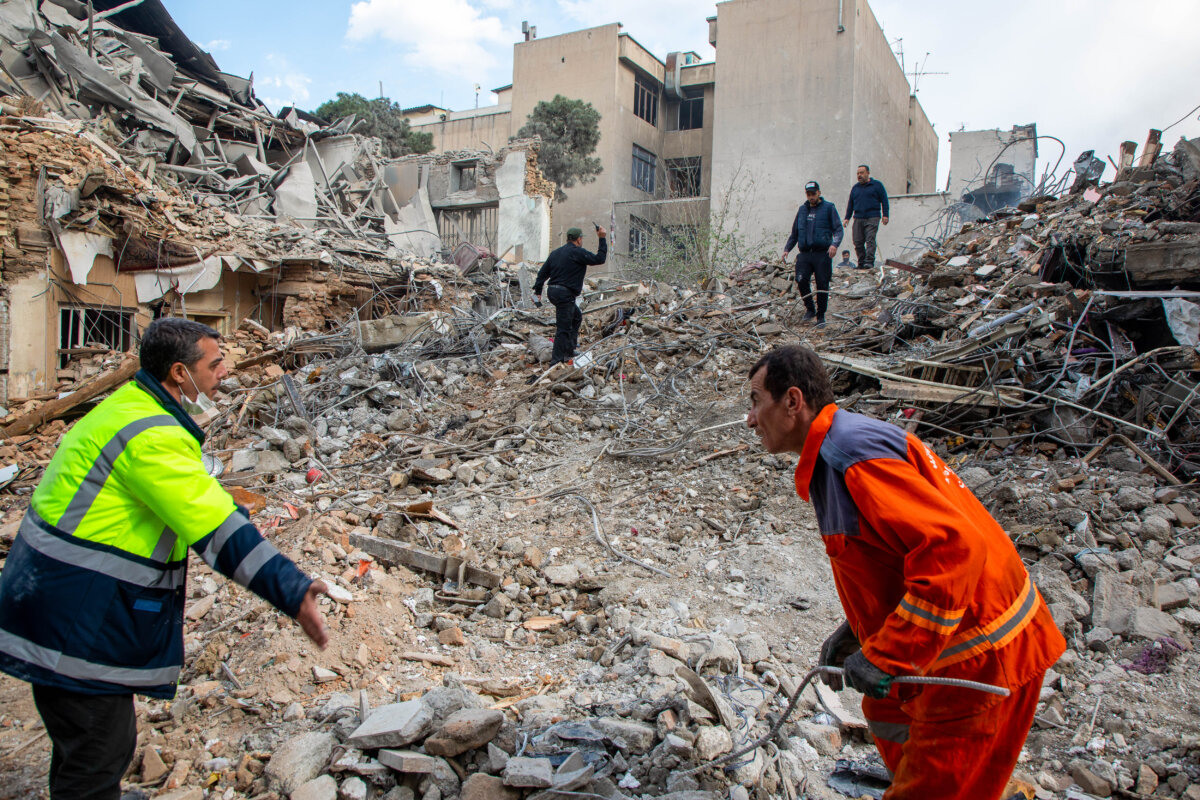
U.S. and Iranian officials said on Sunday they had agreed on a framework to end their war, which began when U.S. and Israeli forces launched strikes against Iran on Feb. 28. The deal ends the U.S. blockade of Iranian ports and will fully reopen the Strait of Hormuz, a key supply route for global oil and gas.
The Trump administration said that the decision to launch the strikes was to stop Tehran from obtaining a nuclear weapon.
The White House and other U.S. officials have not published the terms of the deal with Iran.
After CNN published what it said was a leaked version of the deal, White House communications director Steven Cheung wrote in a June 17 post on X that it “does not reflect the language of the actual” memorandum of understanding signed by both parties.
Iran has also not published an official version of the deal. The country’s semiofficial Tasnim news agency said on June 17 that another reported version had missing portions.
Before the agreement was reached on Sunday, U.S. Vice President JD Vance said Iran would not get any up-front financial rewards and also denied what he said was false information about the deal.
“I’m seeing a lot of fake information about a potential deal to reopen the Strait and end Iran’s nuclear weapons program,” he wrote in a June 12 post on X.
“First, the Iranians are not receiving any cash, and no funds are being released for simply signing a deal or attending a meeting. The deal is structured to ensure that the US and its allies’ concerns are prioritized, and that if the Islamic Republic of Iran meets its obligations, then economic benefits will flow to them and to the entire region.”
Vance added that people who were praising Trump for his actions against Iran are “now criticizing a deal based on unconfirmed media reports,” adding that “people who say you can’t trust a word said by the IRGC … apparently believe anonymously sourced social media posts.”
The Associated Press contributed to this report.
 Friends Read Free
Copy
Facebook
Tweet
Friends Read Free
Copy
Facebook
Tweet