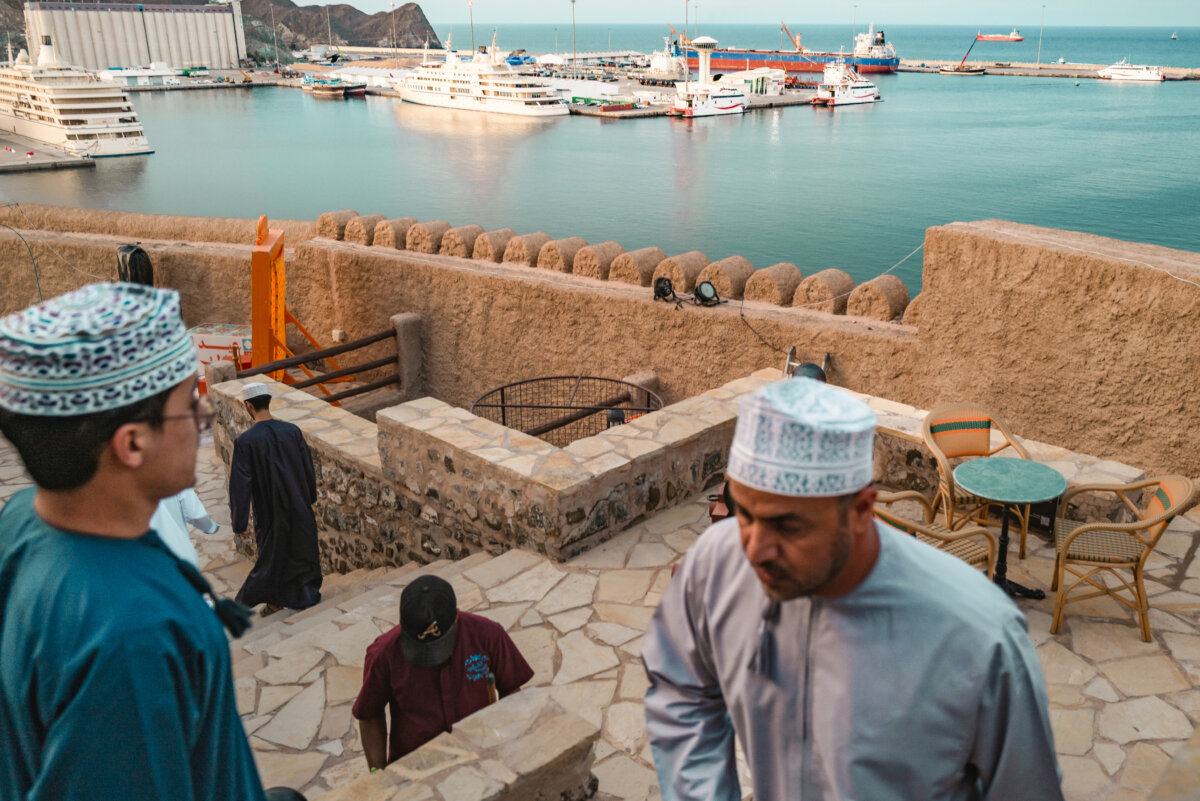

U.S. President Donald Trump on March 31 urged U.S. allies to secure their own energy access through the Strait of Hormuz, suggesting Washington may step back from direct involvement in reopening the critical shipping lane.
In a post on Truth Social, Trump said countries facing fuel shortages due to disruptions in Hormuz—singling out the United Kingdom—should “go to the Strait, and just TAKE IT,” adding that “the U.S.A. won’t be there to help you anymore.”
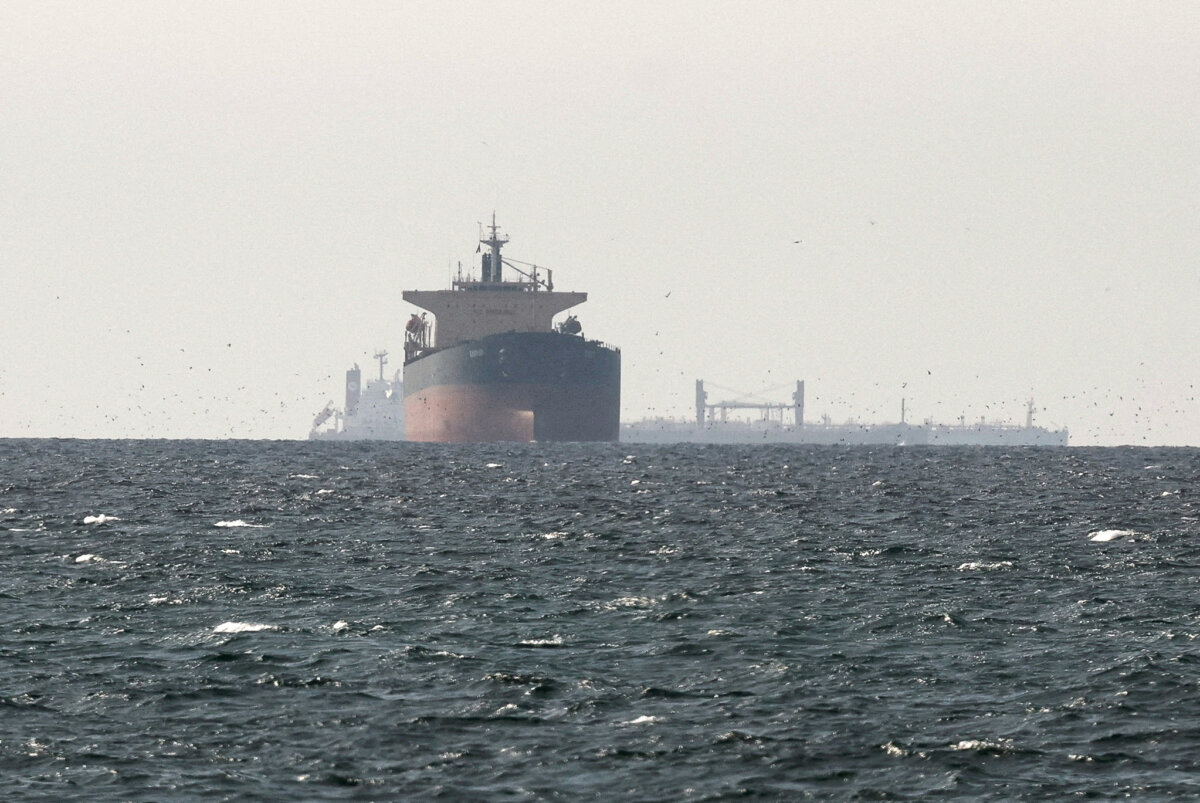
The remarks come amid ongoing tensions in the Gulf, as Iranian forces have responded to U.S.–Israeli military operations by restricting maritime traffic through the Strait of Hormuz, a key artery for global oil and fuel shipments.
Since the start of the war in late February, Iran has restricted traffic through the narrow waterway, with some commercial vessels being attacked. Only about 150 vessels, including tankers and container ships, have transited since March 1, according to Lloyd’s List Intelligence shipping information firm.
Iranian officials have signaled their intent to continue controlling shipping through the strait even after the conflict ends.
Iran’s parliament recently approved a plan to collect tolls on vessels transiting the strait, according to state media, as the standoff continues.
Oil prices have surged as a result of the blockade, raising concerns about a global energy crisis and shortages of other key commodities, such as fertilizer, that also transit through the strait.
In his post on Truth Social, Trump described recent military pressure on Iran as largely successful, writing that the country had been essentially decimated and that “the hard part is done,” while urging allies to “start learning how to fight for yourself.”
He also told allies to look to U.S. energy exports as an alternative, telling affected nations to buy “from the U.S., we have plenty.”
Trump’s remarks dovetail with those of other administration officials, who have pointed to a narrower set of primary U.S. military objectives and to the involvement of a wider coalition of allies in the broader mission of freedom of navigation in the Strait of Hormuz.
White House press secretary Karoline Leavitt said on March 30 that the United States was “working towards” restoring normal traffic through the strait, but did not include it among the administration’s four core military objectives, which she said focus on destroying Iran’s naval forces and missile capabilities, dismantling its defense industry, and preventing Tehran from obtaining a nuclear program.
“The full reopening of the strait is something the administration is working towards, but the core objectives of the operation have been clearly defined for the American people by the commander in chief,” Leavitt said, while answering a question from a reporter on whether Trump might declare victory and wind down military operations if the four key objectives are met but passage through the strait remains restricted.
U.S. Secretary of State Marco Rubio said during a March 30 interview with Doha-based outlet Al Jazeera, which receives funding from the Qatari government, that the current U.S. military campaign objectives will be completed within several weeks, adding that as attention turns to reopening the Strait of Hormuz, the United States could play a reduced role.
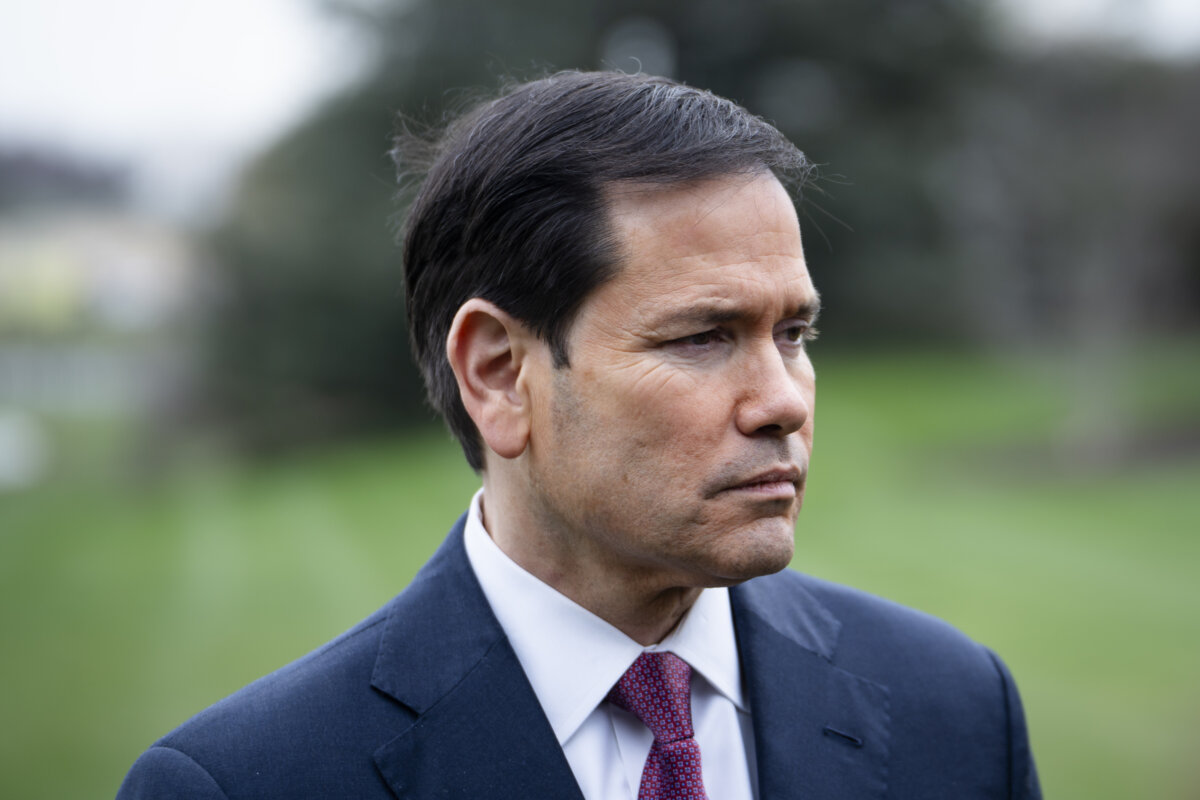
“Then we’ll be confronted with this issue of the Straits of Hormuz, and it’ll be up to Iran to decide,” Rubio said. “It will be open because Iran agrees to abide by international law and not block the commercial waterway, or a coalition of nations from around the world and the region, with the participation of the United States, will make sure that it’s open. But one way or the other, it’s going to be open.”
In a separate interview with ABC, Rubio said that the Trump administration has options to address the possibility that Iran would block the waterway or impose a toll on oil tankers.
“That’s not going to be allowed to happen,” Rubio said, adding that Trump has a range of measures available to ensure freedom of navigation, though he declined to specify possible actions.
Rubio said that while the Trump administration prefers a diplomatic resolution, it is prepared to act if necessary, given the strategic importance of the strait to global energy markets.
Trump on March 30 threatened to destroy Iran’s critical infrastructure—including energy facilities and possibly even desalination plants—if Tehran refuses to reach a deal to settle the war and reopen the strait.
Despite the threats, Trump also signaled optimism about diplomatic progress. He said that weeks of intense U.S. and Israeli strikes have reshaped Iran’s leadership structure, saying that a new group of Iranian figures now appears more willing to engage and talks are “moving along very nicely.”
Iranian officials have disputed Trump’s characterization of the diplomatic process.
Esmail Baqaei, a spokesperson for Iran’s Ministry of Foreign Affairs, said Tehran has held no direct talks with the United States and dismissed claims that it has accepted any of Washington’s proposals.
 Friends Read Free
Copy
Facebook
Tweet
Friends Read Free
Copy
Facebook
Tweet