
Israel is preparing for the possibility of increased U.S. military activity against Iran in the coming days, senior Israeli officials told Epoch Magazine Israel, as U.S. President Donald Trump weighs whether to escalate pressure on Tehran following a series of stark warnings tied to the reopening of the Strait of Hormuz and a deal put forward by Washington to settle the war diplomatically.
The officials said the United States is formulating options for potential operations inside Iran as part of a broader strategy aimed at forcing an agreement to end the conflict, now more than four weeks long. The preparations reflect growing expectations in Jerusalem that the conflict could enter a more intense phase if diplomacy falters.
Israeli officials assess that Trump has not yet made a final decision on which course to pursue, leaving open the possibility of either a negotiated settlement or a significant escalation.
Escalation Threats, Military Options
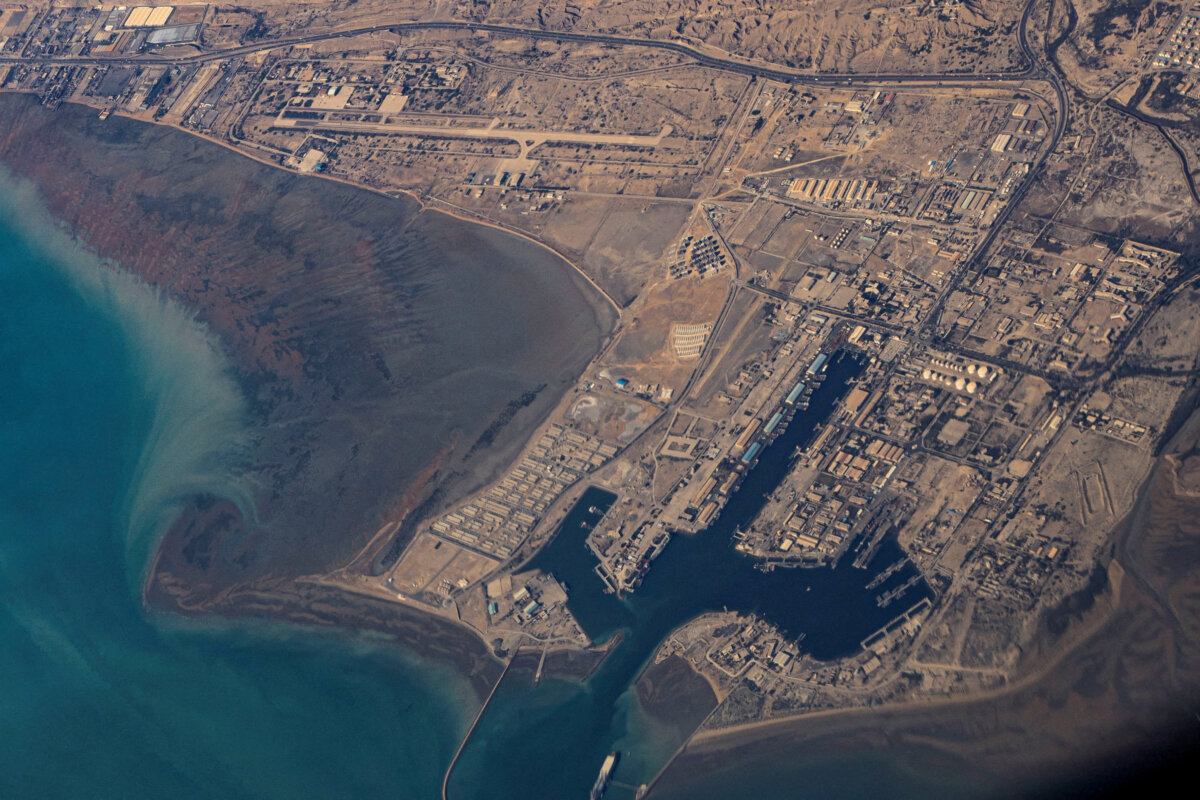
Trump threatened to destroy Iran’s critical infrastructure—including energy facilities and possibly even desalination plants—if Tehran refuses to reach a deal and reopen the Strait of Hormuz, a key maritime chokepoint through which roughly 20 percent of global oil and gas supplies transit.
Iran has heavily restricted shipping through the strait since the conflict began in late February, contributing to a surge in global energy prices and raising concerns about supply disruptions and broader economic fallout.
Global oil prices have surged amid continued fighting, pushing crude to more than $115 per barrel over the weekend. Crude was about $72 per barrel on Feb. 27, just before the U.S.–Israeli strikes on Iran, but has since surged as fears of disruption and a wider conflict intensify.
Despite the threats, Trump has also signaled optimism about diplomatic progress. Speaking to reporters on Air Force One on March 29, he said talks with Iran—both direct and indirect—are ongoing and making “very good” progress, suggesting that negotiations are advancing alongside continued military pressure.
“We’ve had very good negotiations today with Iran, getting a lot of the things they should have given us a long time ago,” Trump said, adding that Tehran should agree to terms or face severe consequences.
Iran Denies Talks as Competing Proposals Emerge
Iranian officials have sharply disputed that characterization. Esmail Baqaei, a spokesperson for Iran’s foreign ministry, said Tehran has held no direct talks with the United States and dismissed claims that it has accepted Washington’s proposals.
“Over these past thirty-one days, we have had no negotiations with the United States,” Baqaei said in a post on X, adding that Iran has only received messages through intermediaries, including Pakistan. He said Tehran remains focused on defending itself amid what he described as ongoing U.S. military aggression.
Trump has maintained that diplomacy is gaining traction following weeks of intense U.S. and Israeli strikes that he said have reshaped Iran’s leadership structure. He described the situation as effectively producing “regime change,” saying that a new group of Iranian officials now appears more willing to engage.
According to Trump, those officials have agreed to most elements of a 15-point U.S. proposal, which includes demands that Iran halt uranium enrichment, dismantle key nuclear facilities, accept oversight by the International Atomic Energy Agency, and curtail its missile program and support for regional proxy forces.
Iran has countered with its own set of conditions, including an immediate halt to U.S. and Israeli attacks, guarantees against future conflict, war reparations, a region-wide cease-fire encompassing allied groups, and international recognition of its claims over the Strait of Hormuz.
Iran’s parliament has also approved a plan to collect tolls on vessels transiting the strait, according to state media, as the standoff continues over control of the critical waterway.
Regional Spillover, US–Israel Coordination
U.S. Secretary of State Marco Rubio said on March 30 that Washington has options to respond if Iran attempts to impose long-term restrictions or tolls on the strait.
“That’s not going to be allowed to happen,” Rubio said in an interview with ABC’s Good Morning America, adding that Trump has a range of measures available to ensure freedom of navigation, though he declined to specify what actions might be taken.
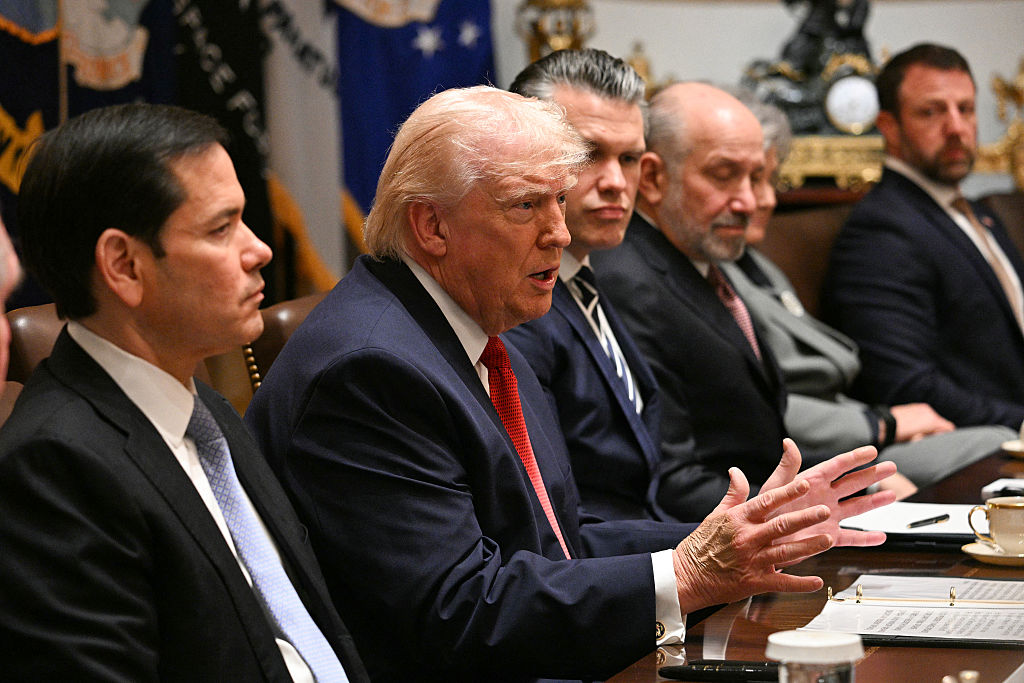
Rubio said that while the administration prefers a diplomatic resolution, it is prepared to act if necessary, particularly given the strait’s strategic importance to global energy markets.
Israeli officials told Epoch Magazine Israel that Jerusalem and Washington remain in close coordination as the situation evolves and that Israel would accept any decision Trump makes regarding the timing of an end to the war.
They said that there is full alignment between the two countries on the need to continue operations against Hezbollah in Lebanon, even if a cease-fire is reached with Iran.
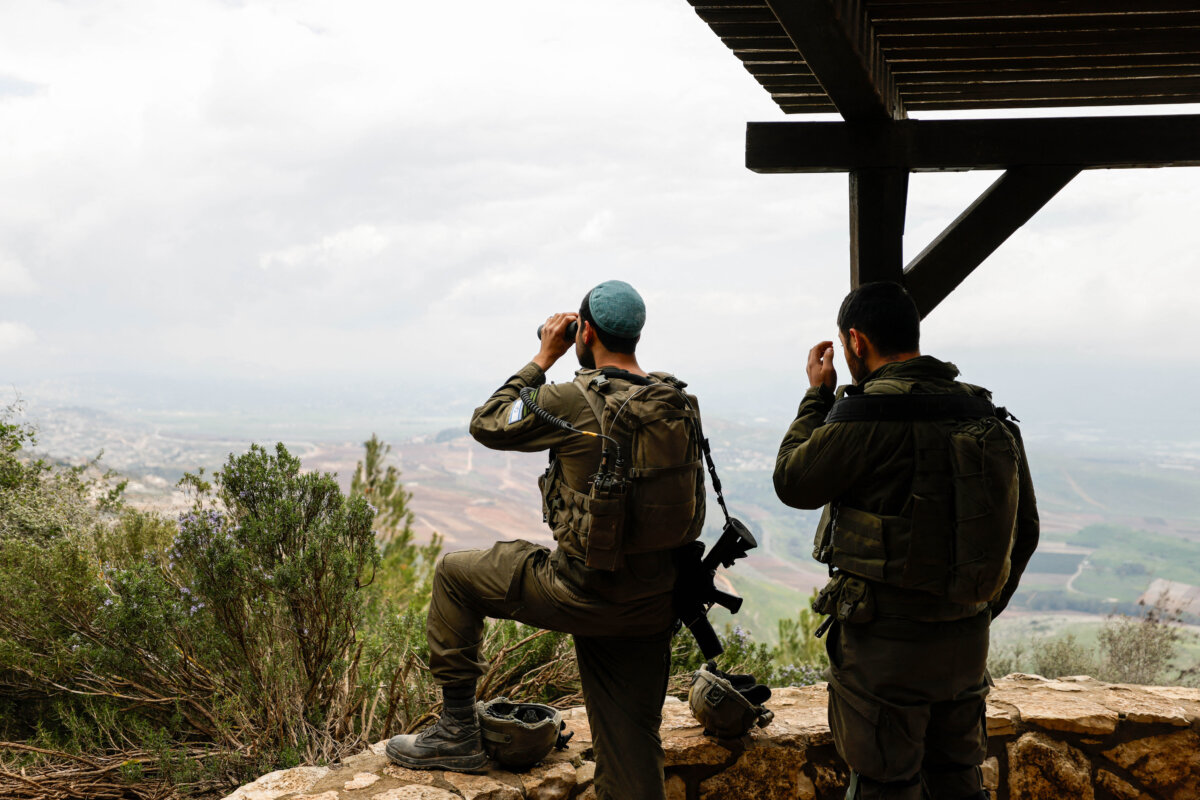
Israeli Prime Minister Benjamin Netanyahu said on March 29 that he had ordered the Israel Defense Forces to expand operations in southern Lebanon in response to continued rocket fire by the Iran-backed Hezbollah group.
The conflict has broadened geographically, with Iran-aligned Houthi forces in Yemen entering the fight. The Israeli military said it intercepted two drones launched from Yemen in recent days, marking a further escalation on Israel’s southern front.
 Friends Read Free
Copy
Facebook
Tweet
Friends Read Free
Copy
Facebook
Tweet