
President Donald Trump on Monday threatened to bomb Oman if it interferes with U.S. efforts to enforce a blockade on Iranian shipping, escalating pressure on the Gulf nation as it negotiates with Tehran over a new route through the Strait of Hormuz.
“If Oman gets in the way, we’ll bomb the [expletive] out of them,” Trump told Fox News correspondent Trey Yingst in a phone interview on Aug. 17.
The warning came as a 60-day negotiating window tied to a tentative U.S.–Iran cease-fire framework expired Monday without an agreement to end the war or fully reopen the strait.
Trump said Iran should “put up the white flag of surrender,” while insisting he had no timetable for further military action.
“I’m not in a hurry,” Trump said, adding that the approaching U.S. midterm elections had “nothing to do with my thinking.”
The president also confirmed that Washington was communicating with officials from Iran’s Islamic Revolutionary Guard Corps (IRGC) in a “direct backchannel.”
“They’re good poker players, but they’re dying,” Trump said.
Trump has repeatedly said that talks are in fact taking place with Iranian officials despite Tehran’s strenuous denials.
Iranian Foreign Ministry spokesman Esmaeil Baghaei on Monday denied reports of secret contacts between Washington and IRGC leaders, calling them a fabrication intended to divide Iran’s political and military leadership.
“News of a secret meeting between Iran and the U.S. in Erbil is totally fabricated,” Baghaei said at a Monday press briefing, according to Iranian state-run news agency IRNA.
Baghaei said that a June memorandum of understanding between Washington and Tehran did not impose a firm 60-day deadline. Rather, it envisaged 60 days of negotiations on sanctions relief and Iran’s nuclear program, with a possible extension if no agreement was reached.
He said those talks never began because Washington had violated the memorandum weeks after it was signed, rendering the negotiating timetable moot.
Trump, meanwhile, renewed his demand that Iran never be permitted to possess a nuclear weapon “in any way.”
Iran-Oman Hormuz Talks
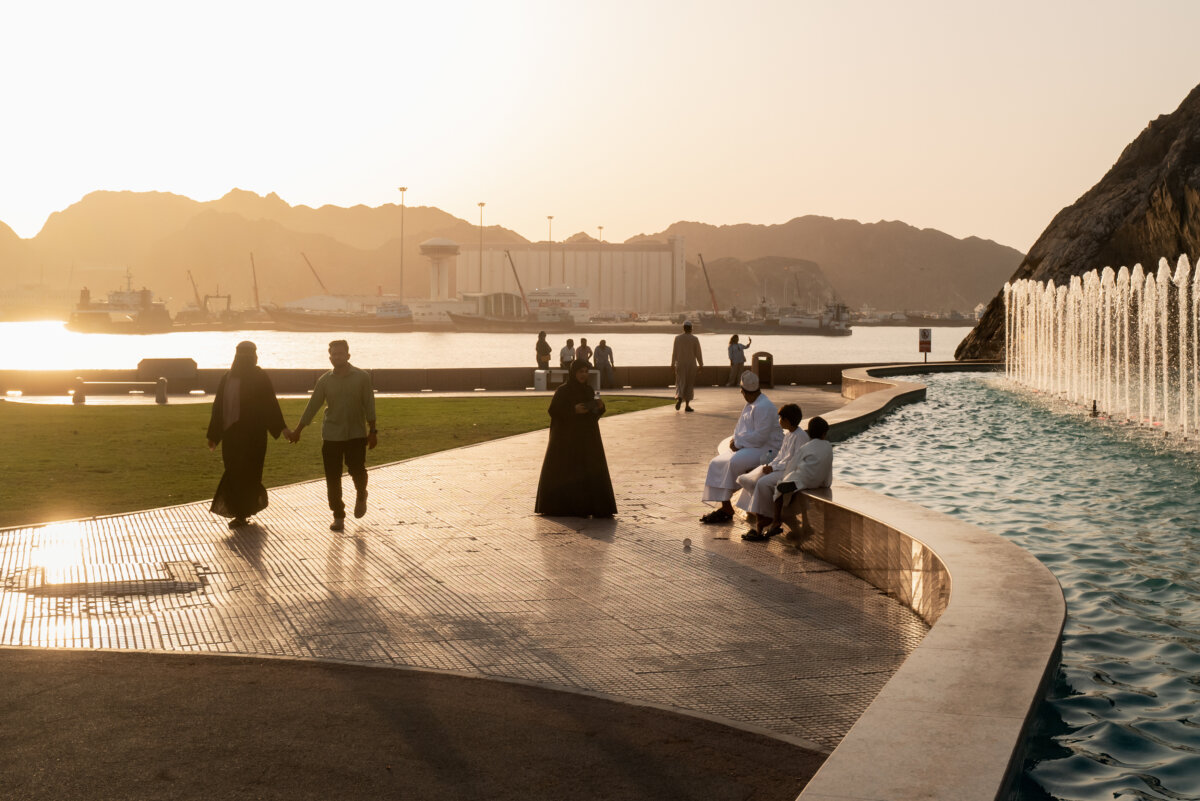
Oman has been negotiating with Iran over a proposed maritime route for commercial shipping through the Strait of Hormuz, a strategic waterway that previously handled roughly one-fifth of global seaborne oil shipments.
Baghaei said Monday that Tehran and Muscat had reached an understanding on a navigation map and were working to finalize a broader package that would include the map and a joint statement.
He attributed delays to the complexity of the negotiations, the number of parties seeking to influence them, and what he described as interference by countries opposed to regional peace.
Iranian officials have previously said that an agreement with Oman on the route would not automatically reopen the strait. Tehran has demanded that Washington lift its naval blockade, release frozen Iranian assets, ease sanctions, and agree to a broader regional cease-fire.
Mohsen Rezaie, head of Iran’s Supreme National Security Council, said on Aug. 11 that Hormuz would remain closed until all of those conditions were met, including cease-fires in Gaza and Lebanon.
Iran also signaled it is prepared to adopt a more aggressive military posture in its ongoing conflict with the United States.
IRGC Brig. Gen. Yadollah Javani was cited by Iranian state-run media Press TV on Monday as saying that Iranian forces had acted defensively so far but were prepared to deliver “strategic surprises” and shift toward more offensive operations as part of a “maximum deterrence” posture.
Commercial traffic through Hormuz fell sharply last week as the dispute showed few signs of resolution.
Confirmed crossings declined by 19.5 percent, to 95 from 118, according to maritime analytics firm Kpler. Daily crossings fell from 19 on Aug. 11 to three on Aug. 16.
The United States has continued its blockade of Iranian ports to pressure Tehran into making a deal.
U.S. Central Command said last week that its forces had redirected 55 commercial vessels trying to breach the blockade, disabled three ships, and boarded two.
 Friends Read Free
Copy
Facebook
Tweet
Friends Read Free
Copy
Facebook
Tweet