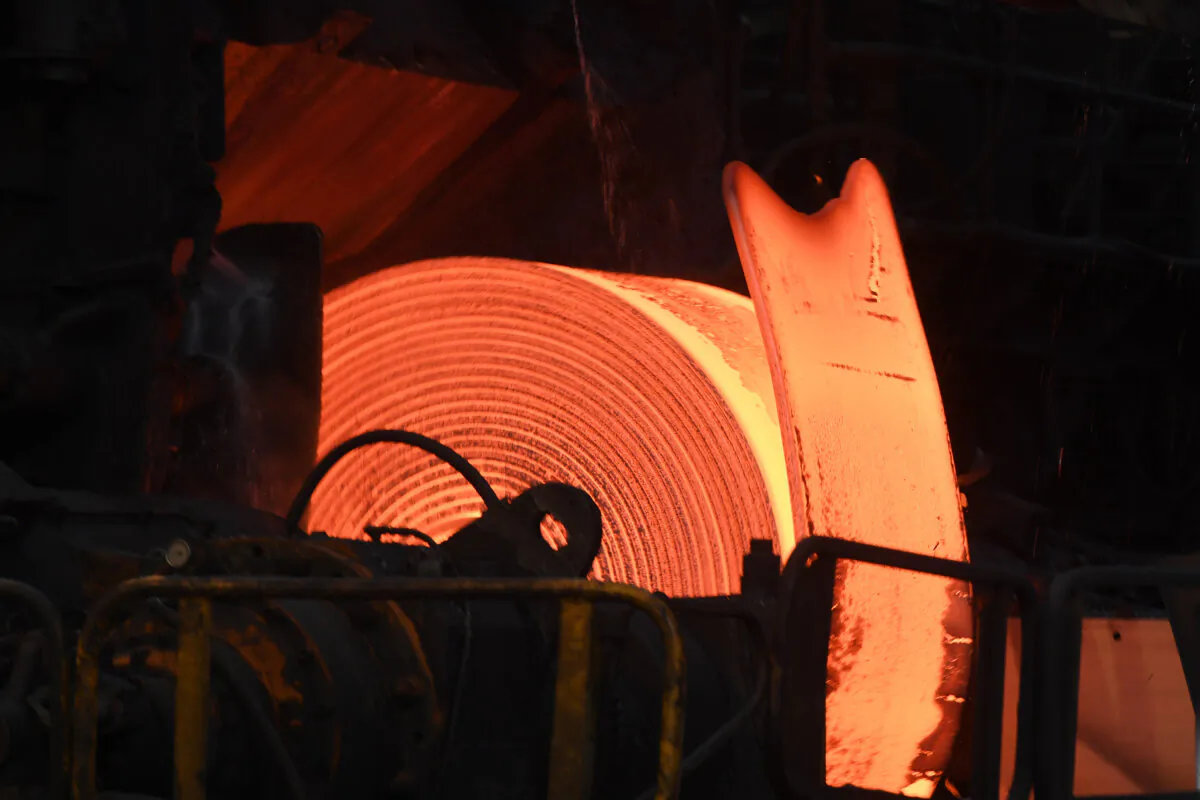

Australia should feel little impact from the Trump administration’s hiked steel and aluminium tariffs, according to an economist from University of New South Wales (UNSW).
Scott French, a senior lecturer at the UNSW’s business school, told The Epoch Times that only 10 percent of the steel and aluminium produced in Australia is exported, and of that, less than 1 percent is sent to the United States.
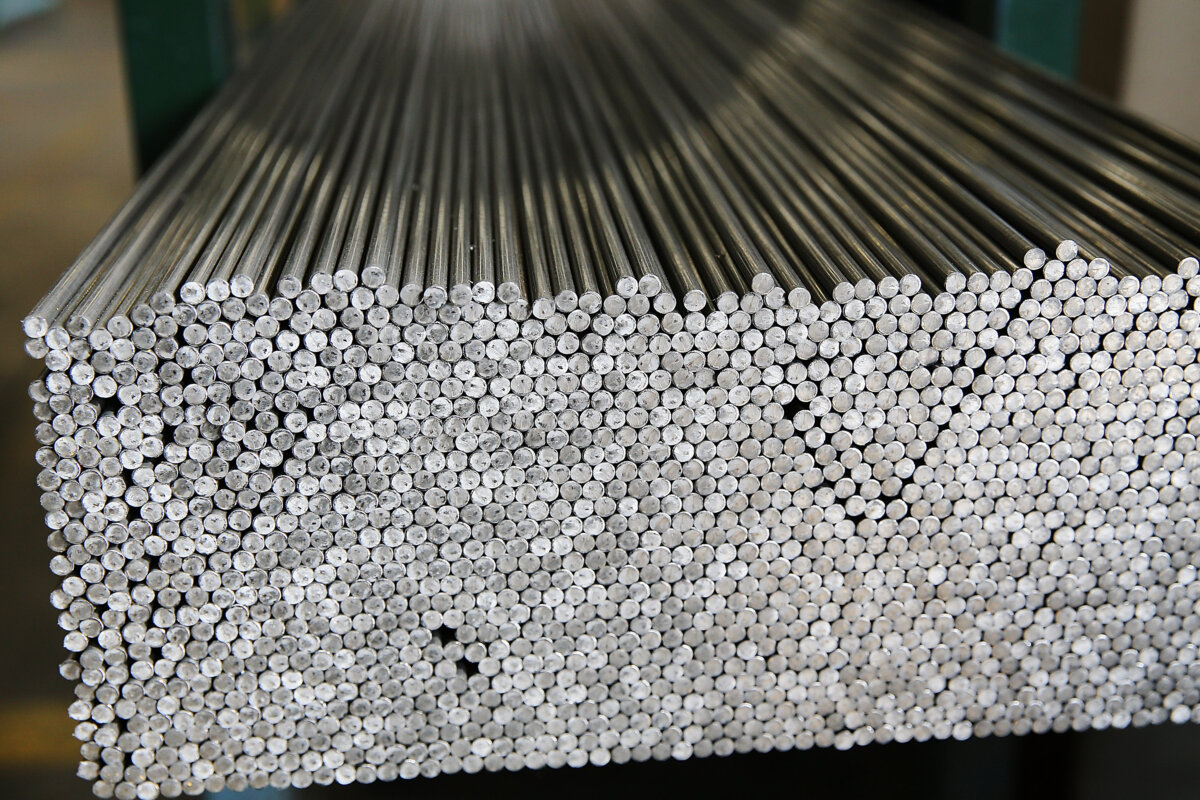
According to the United Nations Comtrade database, Australia’s export value of iron and steel to the United States reached $265.75 million (US$172 million) for steel, and $275.44 million for aluminium products in 2024.
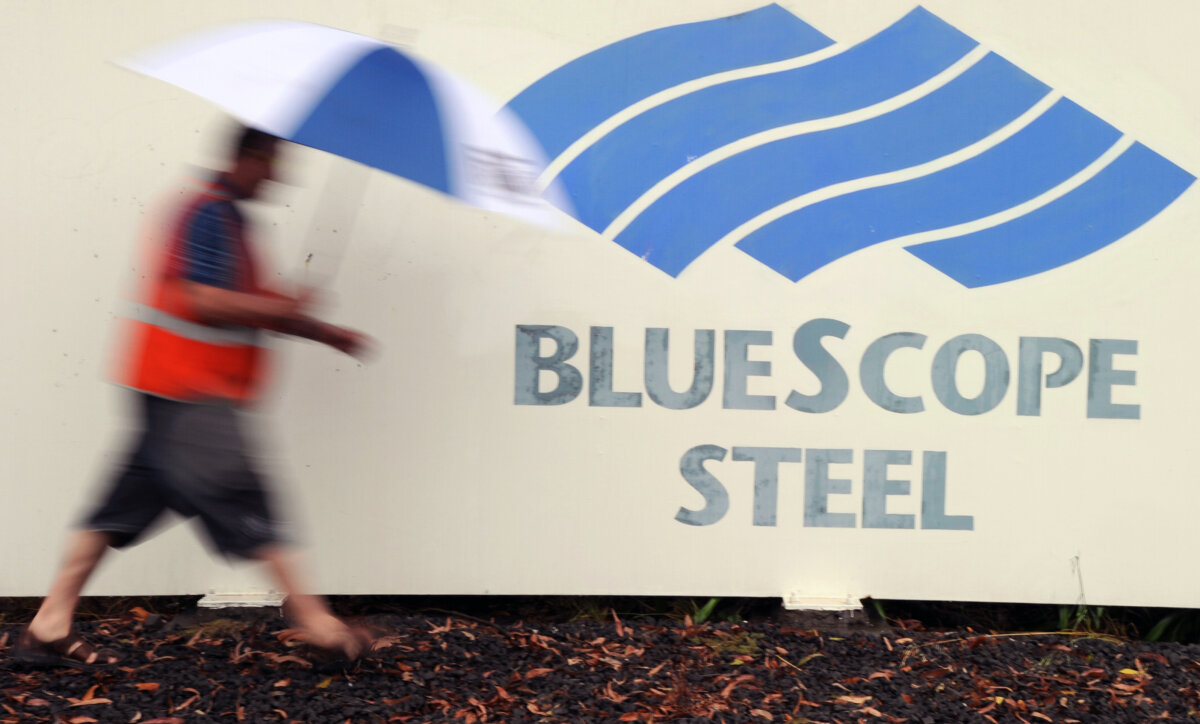
Further, Australia’s largest aluminium producer, BlueScope, already has manufacturing facilities in the United States and will largely avoid tariffs.
Trump Raises Tariffs
On June 3 (Washington time), U.S. President Donald Trump signed an order doubling tariffs on steel and aluminium imports from 25 percent to 50 percent, with an exemption for products from the UK after the country struck a deal with the United States in May.
The order will officially take effect at 2:01 pm AEST on June 4.
In announcing the order, Trump said steel and aluminium products were being imported into the United States in quantities and under circumstances that threatened its national security, making it necessary for the U.S. government to adjust tariffs.
“In my judgment, the increased tariffs will more effectively counter foreign countries that continue to offload low-priced, excess steel and aluminium in the United States market and thereby undercut the competitiveness of the United States steel and aluminium industries,” he wrote.
“Although the previously imposed steel and aluminium tariffs have helped provide critical price support in the United States market, they have not yet enabled these industries to develop and maintain the rates of capacity production utilisation that are necessary for the industries’ sustained health and for projected national defence needs.”
The president also said the U.S. government would continue to monitor the flow of steel and aluminium imports into the United States and see if further action is needed.
Prior to the signing of the order, Australian Prime Minister Anthony Albanese criticised the tariff increase, calling it an “inappropriate action.”
While Albanese is expected to meet Trump at the G7 Summit in Alberta, Canada, in mid-June to discuss a potential exemption, Treasurer Jim Chalmers has tried to curb any expectations by saying nothing could be taken for granted.
“We’ve made it very clear what we think about those tariffs, and so we will continue to engage, as our friends in the UK have and most countries have, trying to get the best deal that we can for our people and for our industries,” he told reporters.
What About the Broader Impact?
Concerns have been raised that countries hit hardest by the tariffs could simply divert their products elsewhere, triggering a price war globally.
French said cheap products from Canada and Mexico might end up competing with Australian products in markets such as South Korea.
He also warned that higher tariffs could see the price of U.S. goods, such as vehicles, aircraft, machinery, and medical equipment, increase—impacting Australian buyers.
While there was pressure for Australia to respond with retaliatory tariffs, like Canada and the European Union, French advised against doing so.
“Instead, we want to encourage businesses to adapt and take advantage of new opportunities that arise,” he said.
“The government should also take the opportunity to deepen trade ties with other countries, such as our Indo-Pacific trading partners (including Canada and Mexico) and the EU.”
Australia Steel Will Seek Tariff Relief: Peak Body
Meanwhile, the Australian Steel Institute (ASI), a peak industry body, expressed disappointment with the increased tariff.
“One of the concerns we have is that the subsequent disruptions to global steel trade could see Australia become a dumping ground for imported steel,” ASI CEO Mark Cain said.
“And it could exacerbate the surge in imported low-priced steel that is damaging the industry.”
In addition, Cain said the ASI would continue to work with the Albanese government to secure an exemption from the United States’ tariff on behalf of its 7,000 members.
 Friends Read Free
Copy
Facebook
Tweet
Friends Read Free
Copy
Facebook
Tweet