
The UK government said on June 10 that it plans to invest 14.2 billion pounds ($19.3 billion) to build a new nuclear plant in the southeast of England.
The Department for Energy Security and Net Zero revealed the move as part of its broader spending review, which will lay out priorities for the next four years.
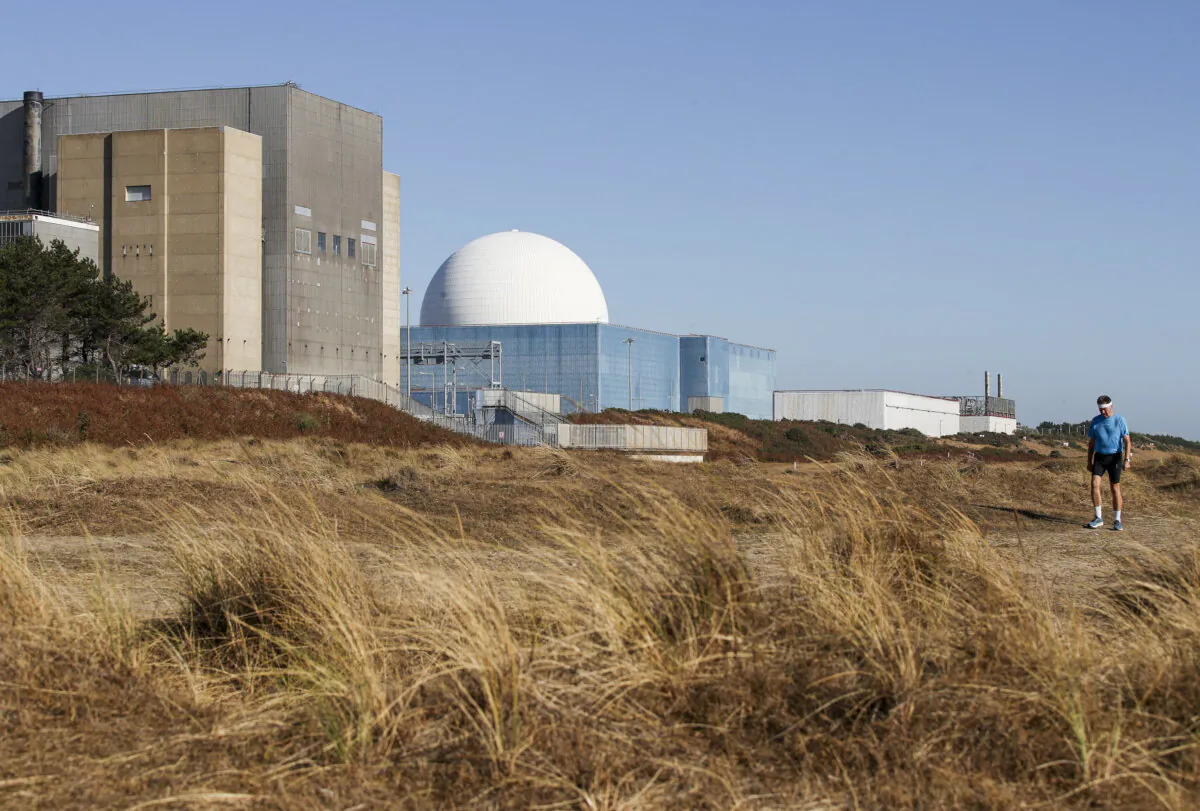
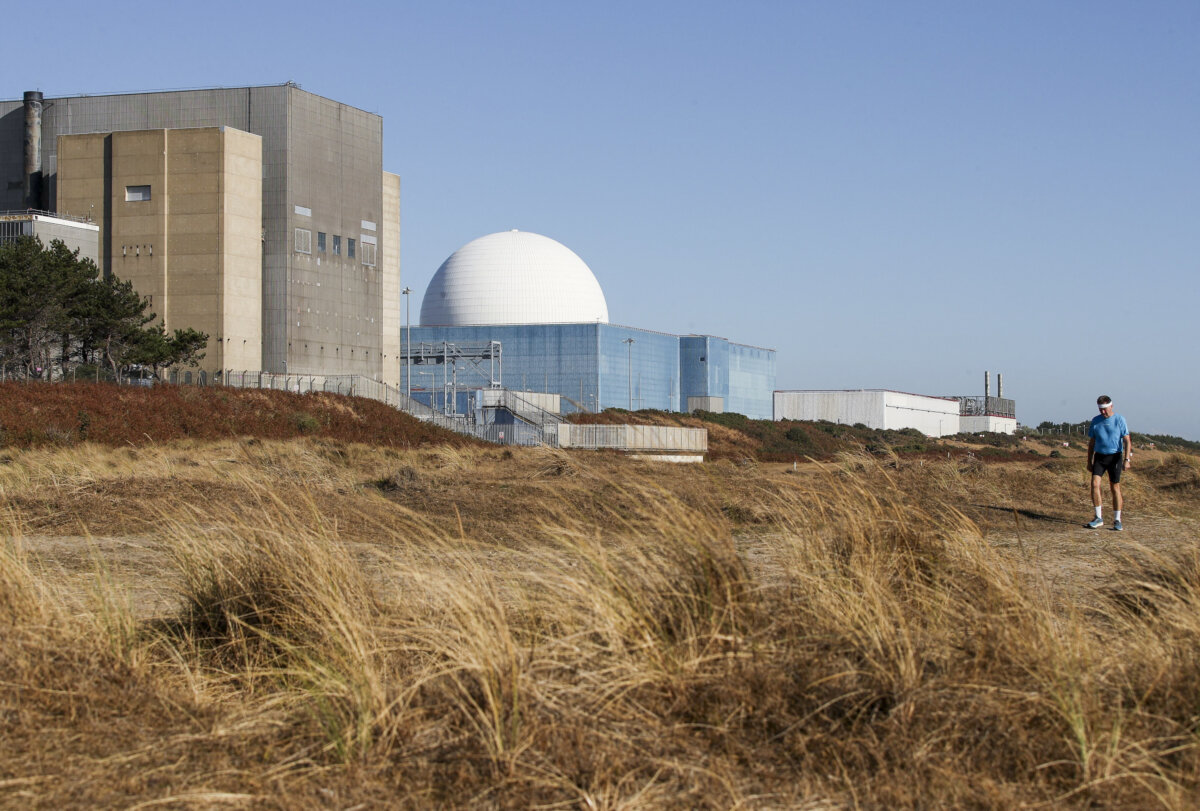
According to a government statement, the plant, named Sizewell C and located in the county of Suffolk, is predicted to create about 10,000 jobs during construction.
It will eventually produce enough power for about 6 million homes.
“We need new nuclear to deliver a golden age of clean energy abundance, because that is the only way to protect family finances, take back control of our energy, and tackle the climate crisis,” Energy Minister Ed Miliband said.
“This is the government’s clean energy mission in action, investing in lower bills and good jobs for energy security.”
The UK has also been seeking new investors to fund the construction of Sizewell C, but no new partners were mentioned in the announcement.
Neither the total cost of construction nor a date for expected completion has been announced.
Sizewell C was originally an EDF Energy project but is now majority-owned by the British government, with EDF Energy a minority shareholder.
EDF Energy is the British arm of Électricité de France (EDF), which is wholly owned by the French state.
The UK government’s stake was 83.8 percent and EDF’s stake was 16.2 percent at the end of December 2024, EDF’s financial results showed in February.
Sizewell C would be just the second new nuclear plant built in Britain in more than 20 years, after another EDF project, Hinkley Point C, which was first announced in 2010.
Hinkley Point C, based in Somerset, southwest England, has been beleaguered by delays and budget overruns and is currently expected to come online in 2029.
Sizewell C would be the third power station built on the site after Sizewell A and Sizewell B, both of which are currently in the process of being decommissioned.
The Department for Energy Security and Net Zero also announced that it had picked Rolls-Royce SMR to build Britain’s first small modular reactors (SMRs).
About 2.5 billion pounds ($3.4 billion) of government funds will be dedicated to the SMR program over the next four years, in a bid to get one of Europe’s first small-scale nuclear industries going.
SMRs are usually about the size of two football fields and are composed of parts that can be assembled in a factory, making them quicker and cheaper to build than conventional plants.
The moves by Britain come amid a renewed interest in nuclear power across Europe, sparked by spiraling energy costs due to the ongoing war between Russia and Ukraine, which is limiting the continent’s supply of natural gas.
European Commission President Ursula von der Leyen said in a keynote speech in August 2024 that the European Union needed more nuclear power.
There remains some resistance to nuclear power within the EU, most notably in Germany, the bloc’s largest economy.
Germany shut down its last three nuclear plants in 2023, despite their ability to operate for decades—even a century—opting instead for energy sources such as wind and solar.
Along with Germany, Denmark, Austria, Portugal, and Luxembourg have similarly rejected nuclear energy in favor of renewables such as solar and wind energy.
By contrast, France boasts a very active and longstanding nuclear power program. Its first commercial nuclear reactor was connected to the electricity grid in 1963. France generates about 70 percent of its electricity from nuclear power, the highest share worldwide.
Across the Atlantic, the United States is also experiencing something of a nuclear renaissance, with banks and major investment funds expressing renewed interest in nuclear projects.
September and October witnessed an uptick in nuclear interest from companies such as Amazon, Google, Oracle, and Microsoft, all of which announced deals to power their energy-intensive data centers with nuclear energy.
Owen Evans contributed to this report.
 Friends Read Free
Copy
Facebook
Tweet
Friends Read Free
Copy
Facebook
Tweet