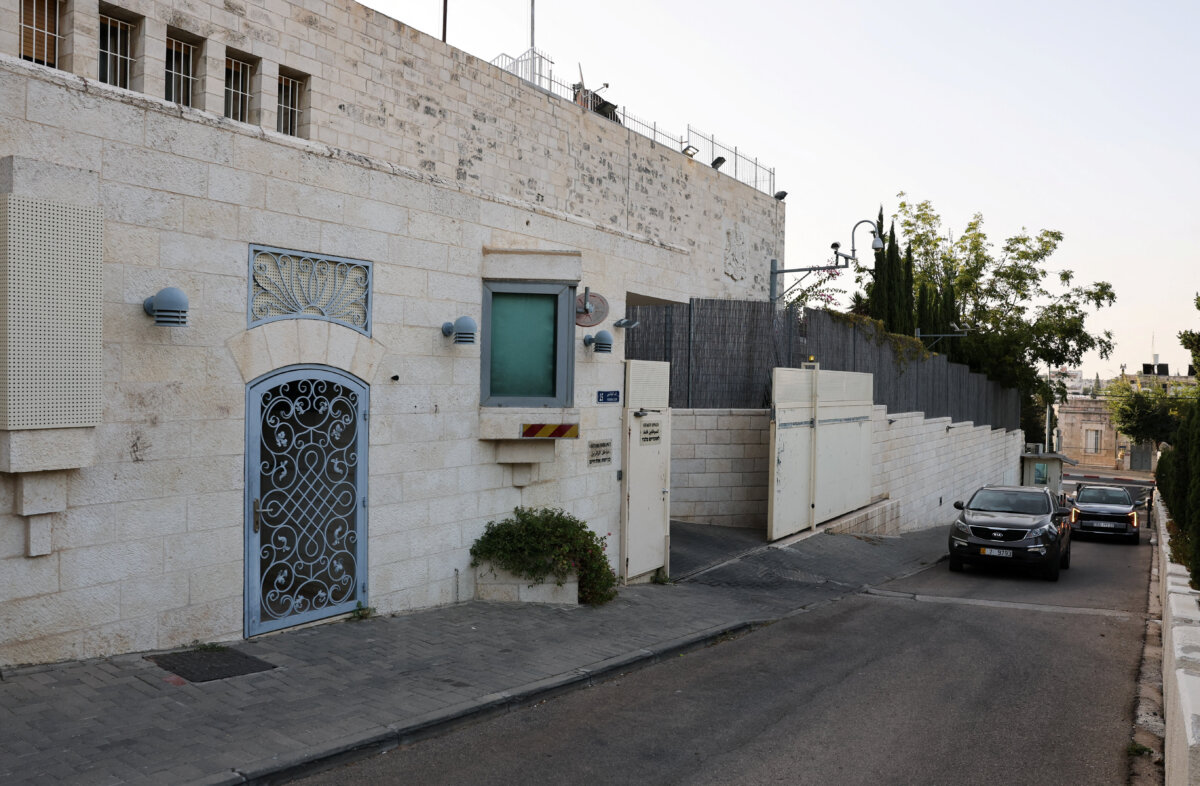

The UK and Israel have agreed to keep a British diplomatic mission in Jerusalem, avoiding the full closure of its long-standing consulate building after weeks of worsening relations between the two countries.
The UK will rename the consulate, founded in 1839, as the “UK Mission” in the city. British Foreign Secretary Ed Miliband said on Oct. 8 that the mission will keep providing “vital services” and continue its work with the Palestinian people.
The UK has temporarily withdrawn a number of consulate staff, but intends to build back its presence, Miliband said, adding that London won’t take reciprocal actions for now.
According to Israeli Foreign Minister Gideon Sa’ar, the consulate’s work will be very limited. The Consul General and 19 diplomats are ending their assignments and will leave Israel, he said in an Oct. 8 statement.
Sa’ar added that Israel has allowed the UK to run a task force of only seven diplomats from the Jerusalem building. He said the two governments agreed to keep talking, so each side can raise issues important to it.
“We believe in dialogue and will continue to believe in dialogue. Unfortunately, in recent years, no genuine dialogue has taken place with the Labour Government,” Sa’ar said.
Growing Tensions
The agreement follows weeks of escalating diplomatic tensions after the UK announced a series of measures targeting Israeli settlements in the West Bank.
Last month, the UK, joined by France and Canada, said it plans to restrict trade with the settlements, whose activity it said undermines the prospects of a future Palestinian state. Miliband also unveiled a wider package, including limits on buying settlement goods and services, more sanctions, and tighter export controls.
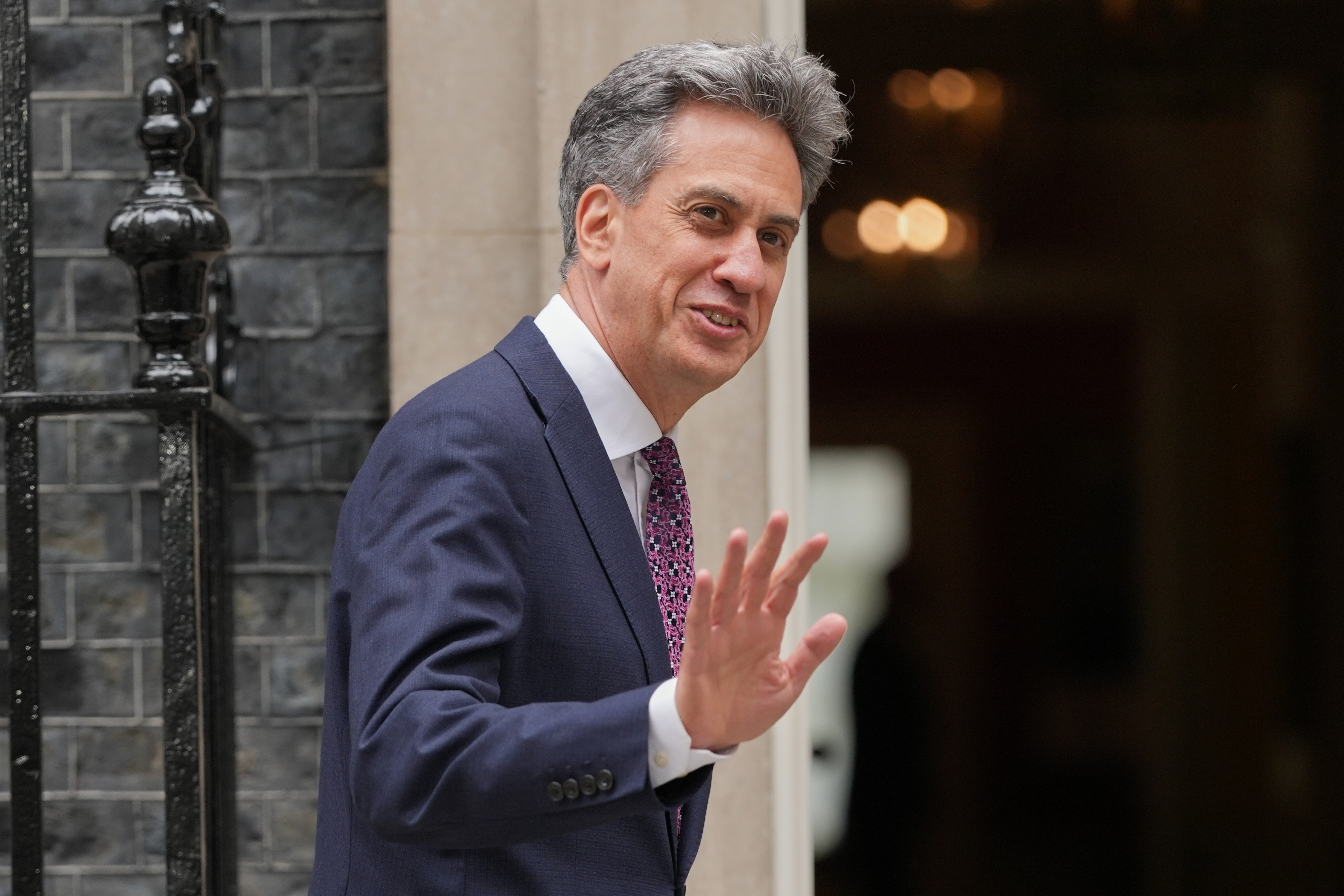 Ed Miliband, British foreign secretary, arrives for a Cabinet meeting in Downing Street in London, on July 21, 2026. (Kirsty Wigglesworth /AP)
The measures came less than a month after Israel opened tenders for building settlement homes in an area known as E1. It lies east of Jerusalem, between the city and the Israeli settlement of Ma’ale Adumim.
The UK strongly opposes the project.
In response to the UK measures, Sa’ar announced in September that Israel would close the British Consulate in Jerusalem, remove British officials from an international aid coordination center, and end a UK program training Palestinian Authority security forces in the West Bank.
He also announced a ban on 12 UK politicians and other UK nationals from entering Israel over what he described as anti-Israel and anti-Semitic activity.
On Thursday, Sa’ar said that all four measures have been implemented.
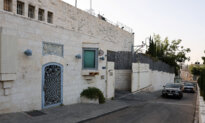
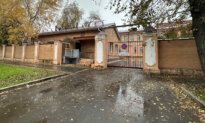
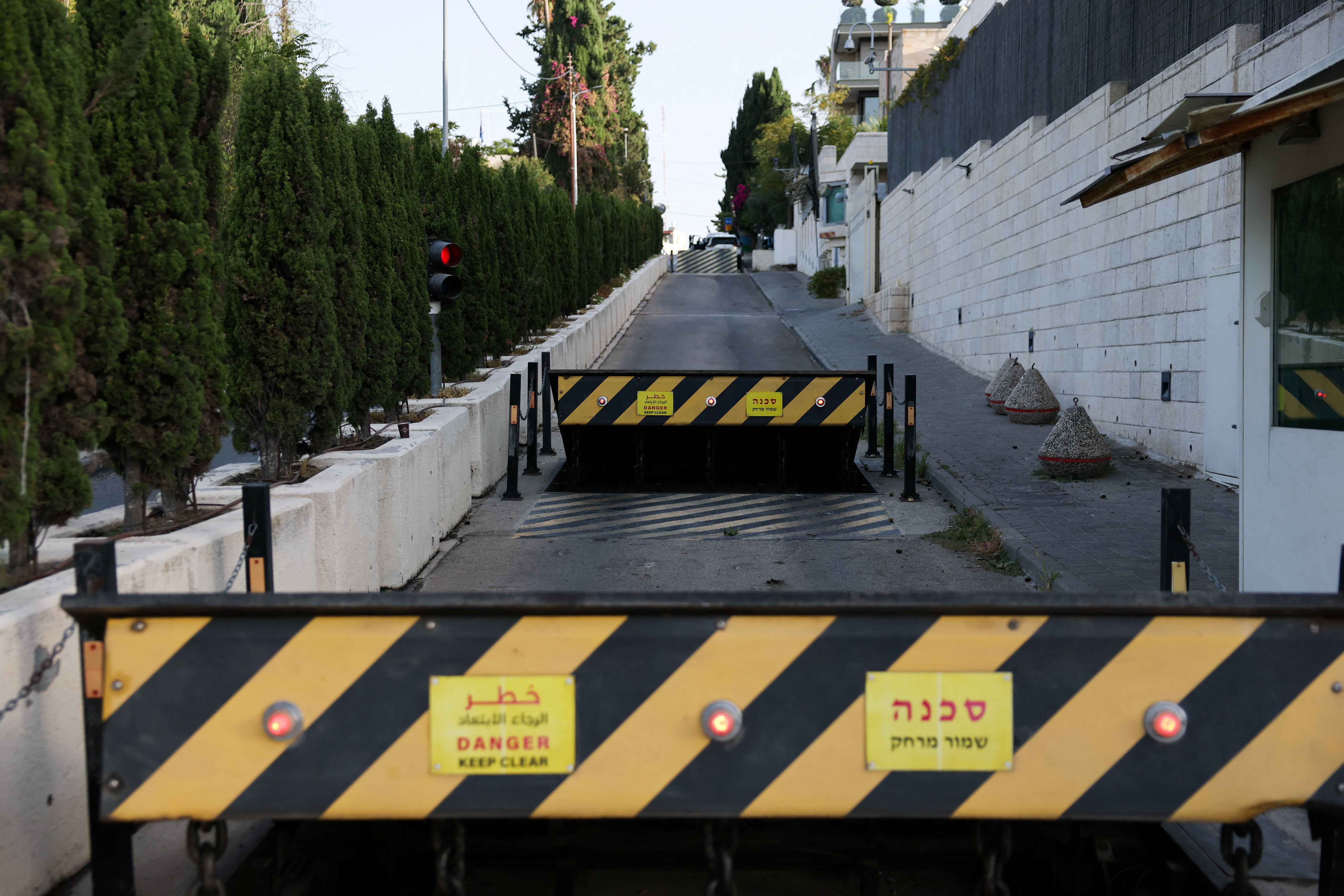 The exterior of the British consulate on the deadline set by Israel for its closure, following trade sanctions imposed by British Prime Minister Andy Burnham on Israeli settlements in the West Bank, in East Jerusalem, Oct. 8, 2026. (Ammar Awad/Reuters)
These include the UK’s recognition of a Palestinian state in September, renewed funding for the U.N. Relief and Works Agency (UNRWA), and sanctions against Israeli ministers.
Israel has accused UNRWA of employing Hamas-affiliated staff, and it passed legislation in 2024 banning the agency from operating in the country and restricting official contact with it. In January, Israel bulldozed part of the UNRWA compound in East Jerusalem.
UNRWA, which operates across Gaza, Jordan, Lebanon, and Syria, rejected claims that it is infiltrated by the Hamas terrorist group.
Reactions to UK Sanctions
The UK sanctions, announced in September, were welcomed by Palestinian and Arab leaders, while the United States offered a more measured response.
Palestinian Authority President Mahmoud Abbas described the measures as “a step in the right direction,” saying they should be followed by further action against Israeli settlement expansion.
Arab League Secretary-General Ahmed Aboul Gheit also welcomed the UK decision and called for additional steps. Eight countries, including Saudi Arabia, Turkey, Jordan, and the United Arab Emirates, issued a joint statement supporting the restrictions on trade linked to Israeli settlements in the occupied West Bank.
U.S. Secretary of State Marco Rubio said Washington shares the goal of stability in the West Bank but added, “At this moment, we don’t have any further comment.”
 Friends Read Free
Copy
Facebook
Tweet
Friends Read Free
Copy
Facebook
Tweet