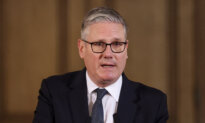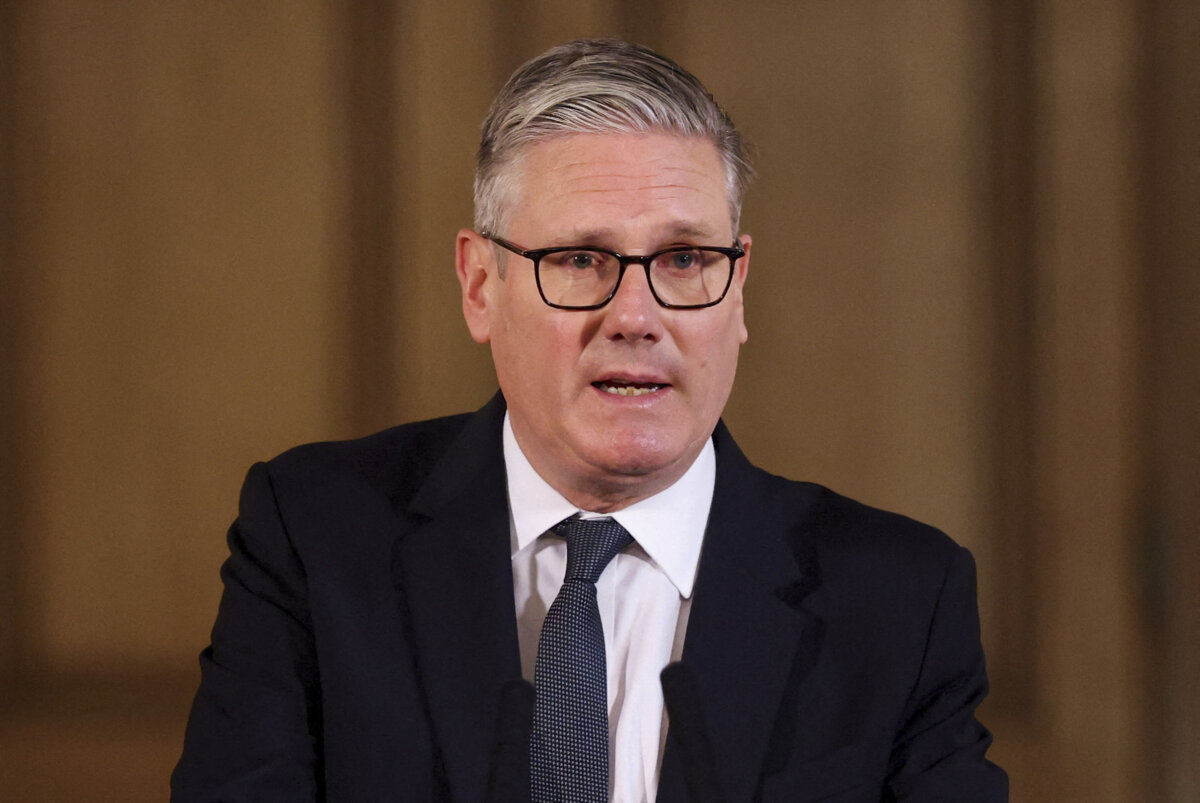

British Prime Minister Keir Starmer doubled down on his resolve to stay in office on March 12 despite growing calls from his own party to resign following local election results.
At a meeting of his cabinet, Starmer told ministers that he took full responsibility for devastating losses for the center-left Labour Party in last week’s local elections across the UK and said he intended to fight on.
According to his office, Starmer told his team that the “past 48 hours have been destabilising for government and that has a real economic cost for our country and for families.”
Dozens of Labour Party lawmakers have publicly called on the prime minister to stand down, but Starmer told his Cabinet that the process to oust a Labour leader has not been triggered.
“The country expects us to get on with governing,” he said. ”That is what I am doing and what we must do.”
Voters elected the party in a landslide victory in July 2024.
Just before the meeting on Tuesday, Starmer saw the first member of his government resign as the pressure on him continued to grow.
Starmer, who has been in the top job for less than two years, vowed in a speech on Monday not to quit, saying he did not want to plunge the country into chaos.
‘Steadfast Leadership’
British Business Secretary Peter Kyle told reporters that Starmer is showing “really steadfast leadership,” adding that the meeting discussed the country’s economic and social challenges.
Kyle said he was about to depart for Brussels as part of the prime minister’s pledge to deepen the UK’s relationship with the EU.
The 63-year-old prime minister’s position was plunged into uncertainty after one of the Labour Party’s worst election performances, while Nigel Farage’s Reform UK made sweeping gains.
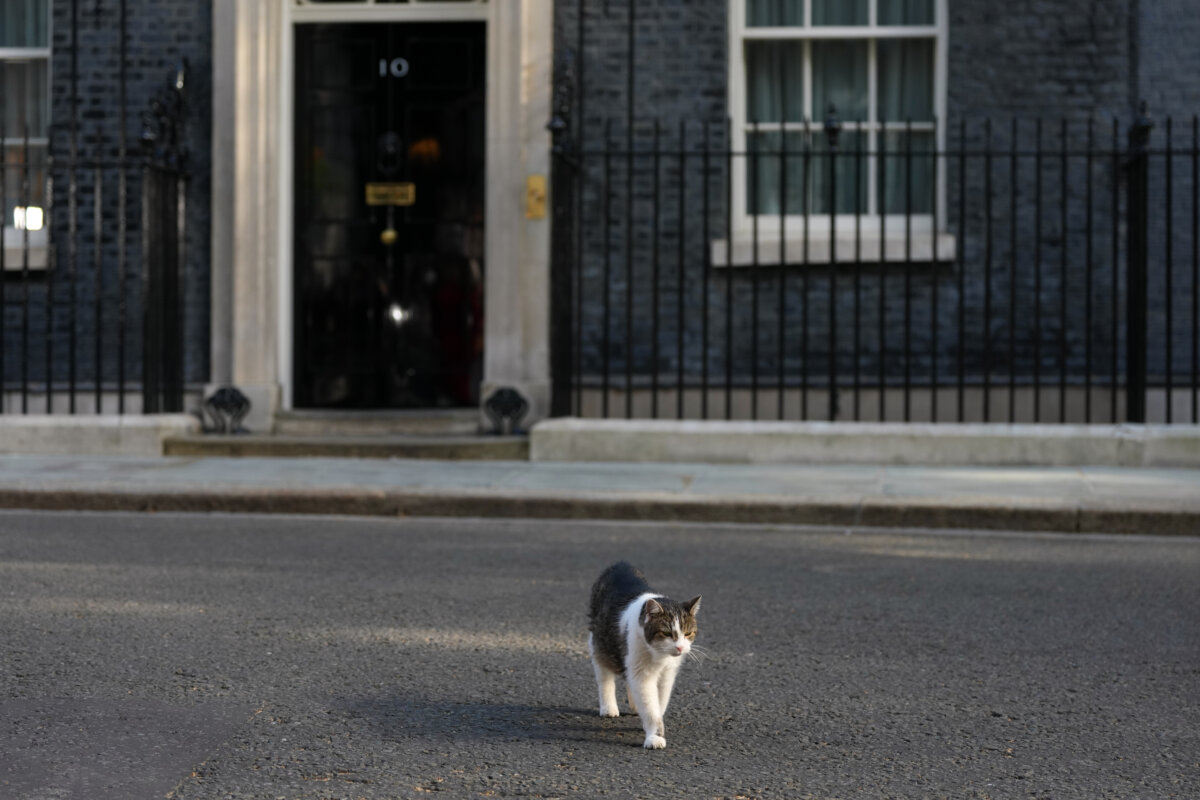
Labour lost more than 1,460 local governance seats across the UK, losing seats to the nationalist parties of Scotland and Wales, with the Greens making significant gains as well as Reform UK.
Lawmakers Quit in Protest
Safeguarding Minister Jess Phillips resigned after the cabinet meeting.
“The desire not to have an argument means we rarely make an argument, leaving opportunities for progress stalled and delayed,” Phillips said in her resignation letter to Starmer, which was first reported by Sky News.
“I want a Labour government to work …, but I’m not seeing the change I think I, and the country expect, and so cannot continue to serve as a minister under the current leadership.”
A junior minister in the housing and communities department, Miatta Fahnbulleh, also stepped down and urged Starmer “to do the right thing for the country” and put in place a timetable for his departure.
Fahnbulleh, considered to be on the left of the party, shared her resignation letter on X, saying the government has not acted with the vision, pace, and ambition “that our mandate for change demands.”
A third lawmaker, Minister for Victims Alex Davies-Jones, also resigned. Davies-Jones said in her letter, posted to X, that more radical action is needed than Starmer has offered.
Amid the growing calls for Starmer’s resignation, the majority of the cabinet continued to publicly support the prime minister on May 12.
During the cabinet meeting, Housing and Communities Secretary Steve Reed said in a post on X that the “instability has consequences for people’s lives.”
“The people who will be hurt most will be those that elected us less than two years ago,” he said. “We must unite behind the Prime Minister.”
Likely Contenders
If Starmer holds firm and does not resign, he could face a challenge from one or more Labour lawmakers.
Under party rules, 20 percent of its MPs must back a rival candidate to trigger a contest against the leader. With 405 Labour MPs currently in the House of Commons, this means 81 are required to support a challenger.
As of publication time, the BBC put the number of Labour MPs calling on Starmer to stand down at more than 80.
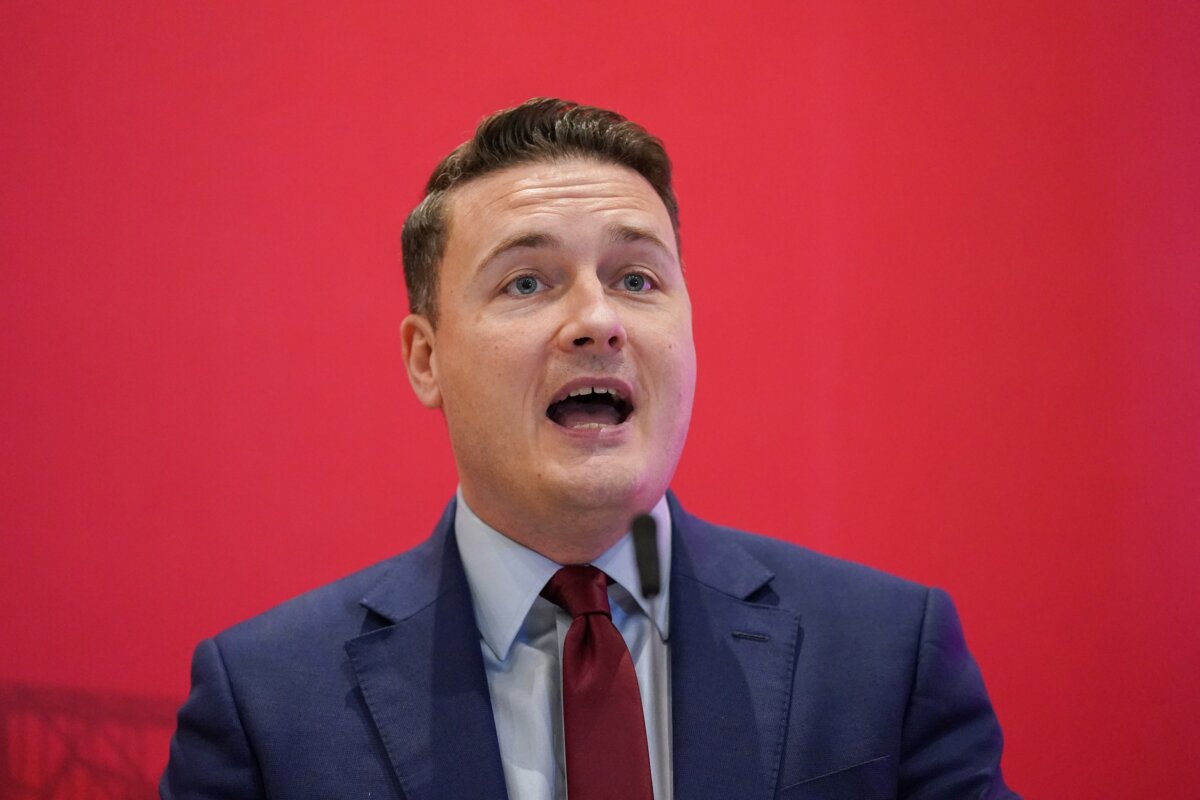
Health Secretary Wes Streeting, long tipped as a possible challenger to Starmer, did not comment as he left the cabinet meeting at the prime minister’s Downing Street home.
He was among senior ministers who declined to answer a barrage of questions from a scrum of reporters gathered in Downing Street, while a few Starmer loyalists spoke with the media to offer support.
As well as Streeting, the Labour politicians who may challenge Starmer include former Deputy Prime Minister Angela Rayner, considered on the left of the party, and Home Secretary Shabana Mahmood, considered to the right of the party, particularly on immigration.
Greater Manchester Mayor Andy Burnham is considered one of the favorites to replace Starmer among party members, but would need to return to the House of Commons as an MP in order to be eligible to lead the party. He was blocked from doing so by the party’s governing body in January, which said it would trigger an unnecessary by-election.
Catherine West, a Labour Party lawmaker who broke cover at the weekend to try to force others to mount a challenge against the prime minister, said her main motivation was fear that Starmer’s leading the party into the next national election would open the way for Brexit campaigner Nigel Farage’s populist Reform UK to win.
“I would do anything to stop Farage,” she said.
The Associated Press and Reuters contributed to this report.
 Friends Read Free
Copy
Facebook
Tweet
Friends Read Free
Copy
Facebook
Tweet