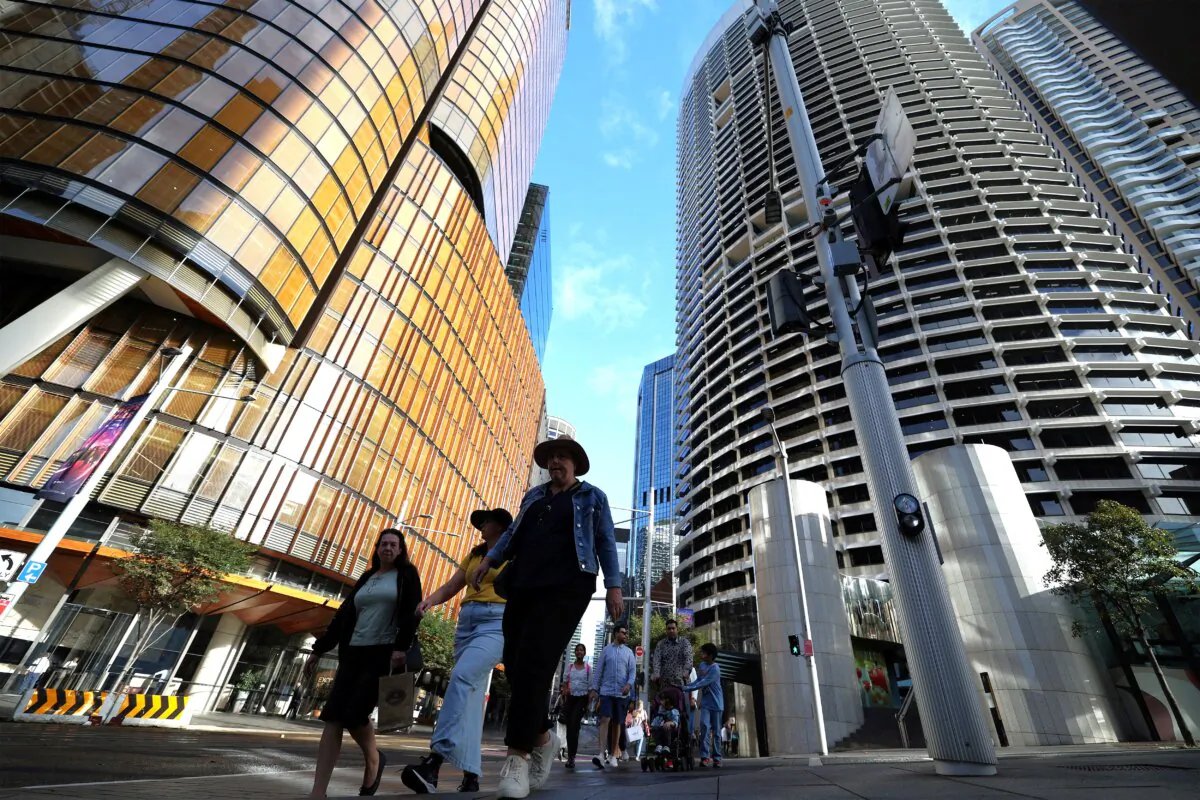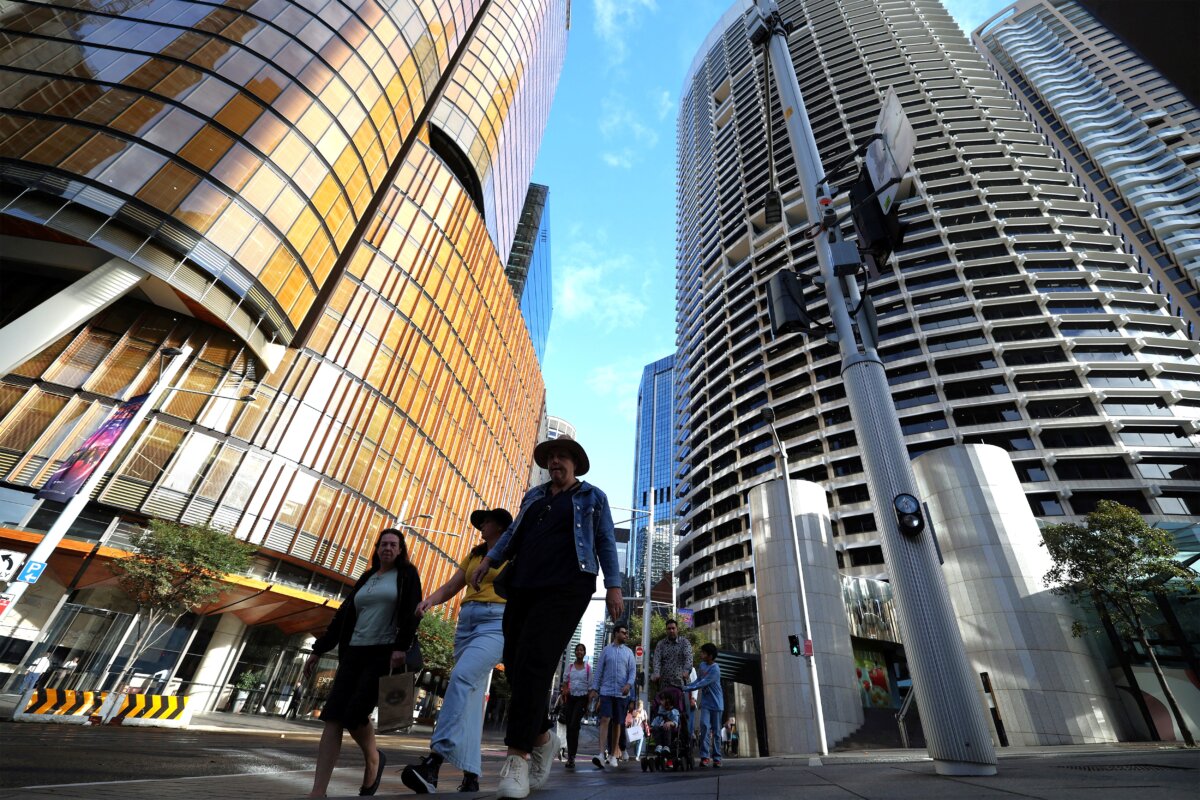
Australia’s unemployment rate stayed steady at 4.1 percent in April, even as more people entered the job market and total employment continued to grow.
According to the latest data from the Australian Bureau of Statistics (ABS), the economy added 89,000 jobs last month.
The number of unemployed people also rose slightly—by 6,000—as more Australians actively looked for work.
This marks the second consecutive month with a 4.1 percent unemployment rate, following a small increase from 4.0 percent in March.
Over the past 12 months, employment has grown by 390,000 people, or 2.7 percent. That’s ahead of the 2.1 percent growth in the working-age population, showing the labour market is absorbing new entrants at a strong pace.
Women Lead Employment Gains
Women accounted for the majority of new roles in April, with female employment rising by 65,000, or 0.9 percent.
Most of that growth came from full-time jobs, which climbed by 42,000 (1.1 percent), while part-time roles added 23,000 (0.8 percent).
By comparison, male employment rose by 24,000, an increase of just 0.3 percent.
Sean Crick, ABS head of labour statistics, noted a significant rise in participation among Australians aged 35 to 44. Their participation rate has grown 1.9 percentage points over the past year, reaching 88.3 percent in April.
The overall participation rate—the share of working-age people either working or looking for work—rose by 0.3 percentage points to 67.1 percent.
The employment-to-population ratio, which reflects the proportion of people with jobs, also climbed to 64.4 percent, just shy of January’s record high of 64.5 percent.
Despite the job growth, total monthly hours worked rose only slightly in April—up by 630,000 hours, or effectively unchanged at 0.0 percent. This suggests some of the new employment may have been part-time or involved shorter hours.
Underemployment, Underutilisation Edge Up
The underemployment rate, which measures those working fewer hours than they want, inched up to 6 percent in April, a 0.1 point rise from March.
Still, it remains 0.5 percentage points below April 2024 levels, and 2.7 points lower than in March 2020, before the full impact of pandemic policies hit.
The broader underutilisation rate, which combines both unemployed and underemployed people, rose by 0.2 points to 10.1 percent. This is still down 3.8 percentage points compared to March 2020.
Treasurer Jim Chalmers has hailed these numbers, saying the Labor government continues to maintain historically low unemployment.
“While there are still challenges in our economy and people are still under pressure, we still have Australia’s lowest average unemployment rate of any government in over 50 years,” he said.
Job Ads Show Signs of Recovery
Private-sector data also suggests stabilisation in the labour market.
According to Seek’s April report, the number of job ads rose by 1.8 percent last month following two months of decline.
Queensland led the rebound, with listings up 7.6 percent, while South Australia’s job ads were 5.6 percent higher than a year earlier.
Hospitality and tourism topped industry growth, with ads climbing 9.8 percent—likely due to seasonal hiring. Healthcare and medical jobs rose by 3.8 percent, bouncing back from a steep drop in March.
Blair Chapman, SEEK’s senior economist, said the recent trend shows employers are returning to the market. However, month-to-month variation remains due to factors like the timing of Easter and ANZAC Day.
“Looking through the recent month-on-month noise, we continue to see job ads stabilise in line with our expectations,” he said.
On an annual basis, Seek reported that the rate of job ad decline has slowed to 5.7 percent—the smallest drop since December 2022.
 Friends Read Free
Copy
Facebook
Tweet
Friends Read Free
Copy
Facebook
Tweet