
U.S. forces said they are continuing to enforce a naval blockade against Iran as Tehran demands sanctions relief and an end to military pressure in ongoing negotiations with Washington.
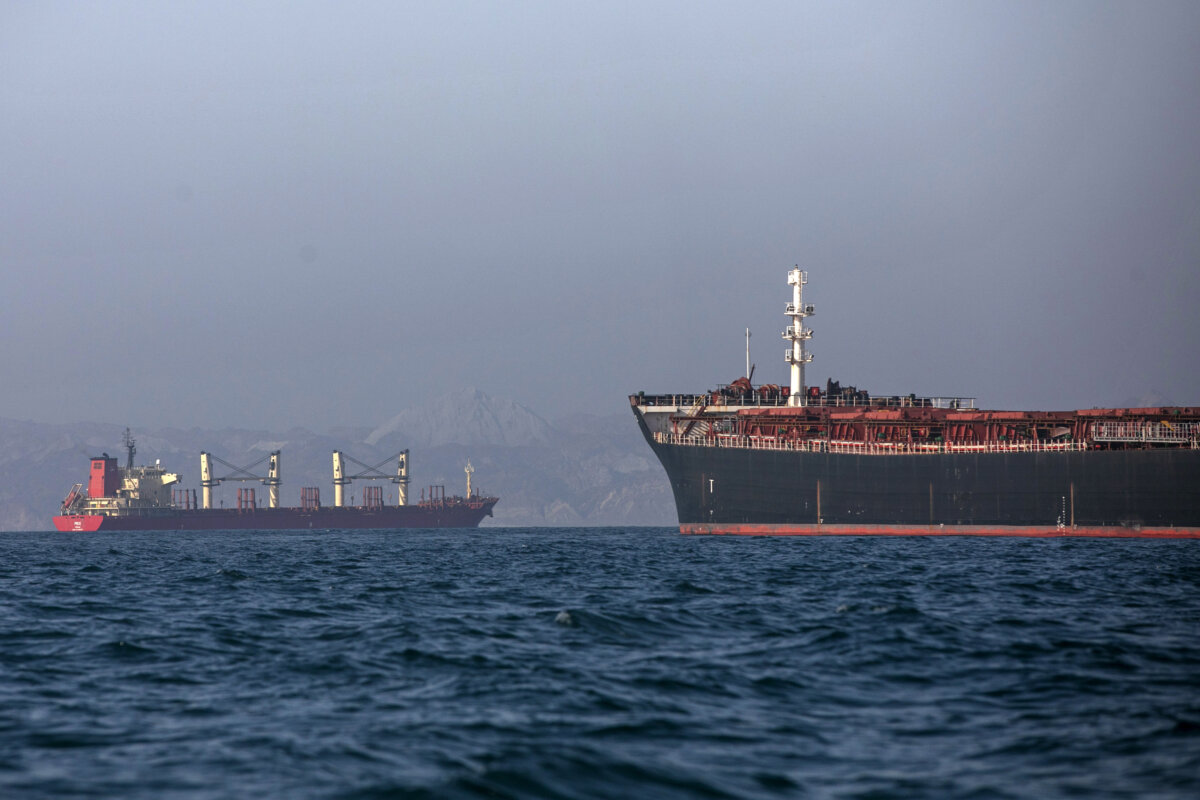
U.S. Central Command said in a May 19 post on X that U.S. forces have redirected 89 commercial vessels as part of an ongoing naval blockade targeting vessels entering or departing Iranian ports and coastal areas.
The statement marked one of the clearest public updates so far from the U.S. military on the scale of enforcement operations since the blockade’s enforcement began on April 13 amid the conflict involving Iran, Israel, and the United States.
U.S. Central Command said earlier this month that U.S. forces disabled multiple vessels attempting to enter Iranian ports in violation of the blockade.
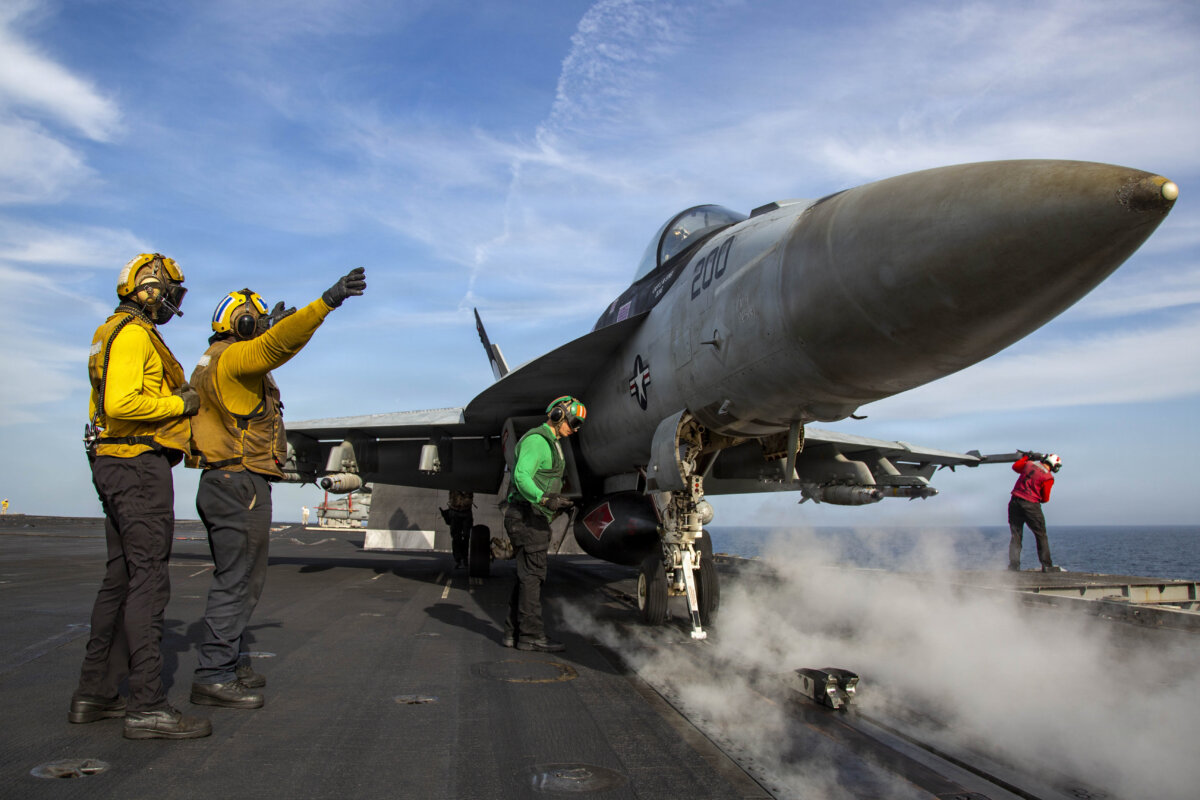
U.S. Navy aircraft on May 8 disabled two Iranian-flagged oil tankers, M/T Sea Star III and M/T Sevda, before they reached an Iranian port in the Gulf of Oman.
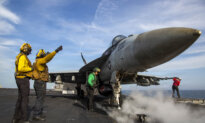
The military said an F/A-18 Super Hornet launched from the USS George H.W. Bush fired precision munitions into the ships’ smokestacks, preventing them from continuing their voyage.
Central Command also said U.S. forces disabled another Iranian-flagged vessel, M/T Hasna, on May 6 after it attempted to reach an Iranian port.
“U.S. forces in the Middle East remain committed to full enforcement of the blockade of vessels entering or leaving Iran,” Central Command’s commander, Adm. Brad Cooper, said in the May 8 statement.
Iran’s Regional Capabilities Weakened
Cooper also addressed the conflict in written testimony submitted to the House Armed Services Committee on May 19.
“In less than 40 days of major combat operations, USCENTCOM forces systematically dismantled what Iran spent four decades and tens of billions of dollars building,” Cooper wrote.
He said U.S. operations had significantly reduced Iran’s ability to project military power across the region or support terrorist groups, including Hezbollah, Hamas, and the Houthis.
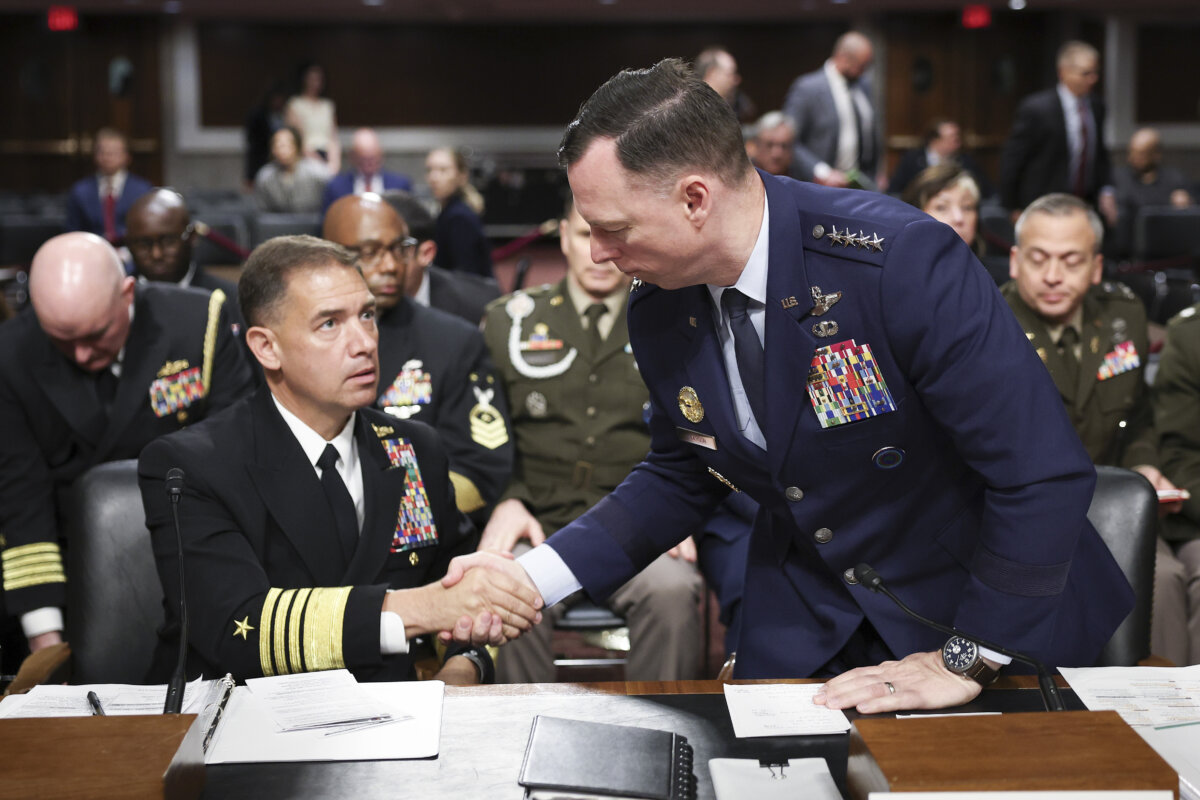
Cooper added that the U.S. Navy and Air Force continue enforcing what he described as a “presidentially directed blockade against Iranian ports and merchant vessels” while enabling neutral vessels to transit.
The testimony came as Washington and Tehran continued indirect negotiations through Pakistani mediators under a ceasefire that has largely paused six weeks of fighting.
Ongoing Negotiations
Trump announced on May 18 that he postponed planned renewed strikes on Iran. Speaking with reporters on May 19, he said Iran now has “two or three days” to reach an agreement before the United States could resume military action.
Trump said he told Iranian officials that he would give them “two or three days, maybe Friday, Saturday, Sunday, something, maybe early next week, a limited period of time” to come up with a deal, or U.S. strikes would commence again.
Iranian officials have said any agreement with the United States must include the lifting of the naval blockade and sanctions imposed on Tehran.
Kazem Qaribabadi, Iranian deputy foreign minister for legal and international affairs, outlined Tehran’s conditions during a May 18 meeting with lawmakers, according to a report published by the state-affiliated Fars News Agency.
Fars reported that Qaribabadi said any future agreement must guarantee an end to military conflict “on all fronts,” including Lebanon, and require U.S. forces to withdraw from areas surrounding Iran.
The report also said Iran is demanding sanctions relief, the release of frozen Iranian assets, and an end to the U.S. naval blockade.
According to Fars, Iranian lawmakers warned negotiators not to retreat from what they described as Iran’s “legitimate demands” and urged continued Iranian oversight of the Strait of Hormuz.
The U.S. administration maintains that the Iranian regime cannot be allowed to develop a nuclear weapon. Vice President JD Vance told reporters at the White House on May 19 that it would cause instability in the Middle East and potentially spark a worldwide nuclear conflict.
Vance added that Iran’s leadership is “fractured” and its negotiating position with the United States isn’t clear.
The United States is in a “good place” in terms of negotiations, he said, adding that the military is “locked and loaded” if a military campaign against the Iranian regime resumes.
 Friends Read Free
Copy
Facebook
Tweet
Friends Read Free
Copy
Facebook
Tweet