
The U.S. military force imposing a naval blockade against Iran said on May 22 that more than 100 ships have been either redirected or disabled since mid-April, as tensions between Washington and Tehran continue to simmer.
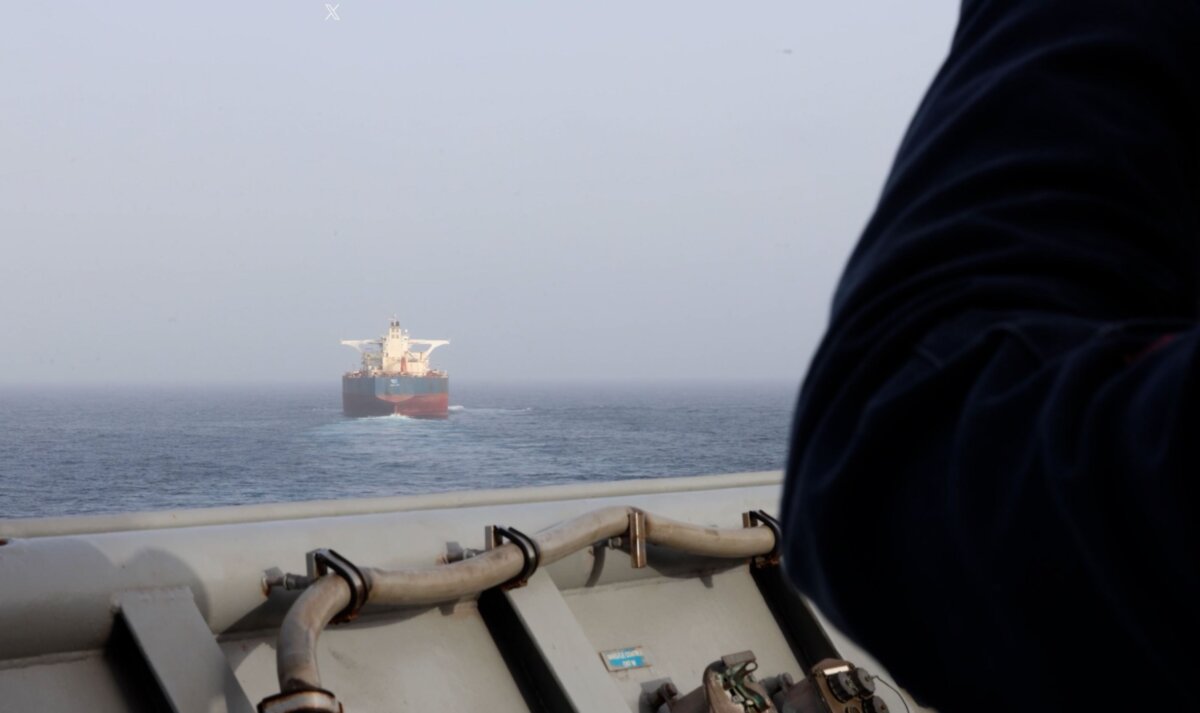
U.S. Central Command said that 97 commercial ships heading to or from Iran were redirected and four were disabled since the start of the blockade. It also released a photo of a sailor aboard the USS Comstock, a landing ship, observing a vessel while the blockade was being enforced.
This week, President Donald Trump indicated that he would hold off on military strikes against Iran to allow for negotiations between the two countries to continue. He told reporters on Tuesday that he would give Iran two to three days, or possibly until next week, to come up with a proposal.
Iran has effectively closed the Strait of Hormuz, a vital waterway for the shipment of oil, gas, fertilizer, and other petroleum products. The U.S. military initiated its blockade in mid-April, or days after a ceasefire was announced that ended roughly six weeks of fighting.
U.S. Secretary of State Marco Rubio told reporters that Iran’s efforts to use the strait to “create a tolling system” that imposes fees on ships would pose a problem.
“I don’t know of a country in the world that’s in favor of it except Iran,” Rubio said ahead of a NATO meeting in Sweden on Friday, “but there’s no country in the world that should accept it.”
Rubio said he did not want to exaggerate progress on U.S.–Iran talks, saying there had been “a little bit of movement and that’s good.” He said the conversations were ongoing.
The United States and Israel have said Iran can never have a nuclear weapon. Trump has said he wants to remove highly enriched uranium from the country and prevent it from developing nuclear weapons. Iran says its nuclear program is for peaceful purposes.
During remarks at the White House on Thursday, Trump again said that the United States should obtain the nuclear material and said that it will likely be destroyed.
The Iranian ambassador to France said on Friday that Tehran is in talks with Oman on a possible toll system in the Strait of Hormuz, according to Iran’s state-run PressTV.
“Iran and Oman must mobilize all their resources both to provide security services and to manage navigation in the most appropriate manner,” Mohammad Amin-Nejad said. “This will entail costs, and it goes without saying that those who wish to benefit from this traffic must also pay their share.”
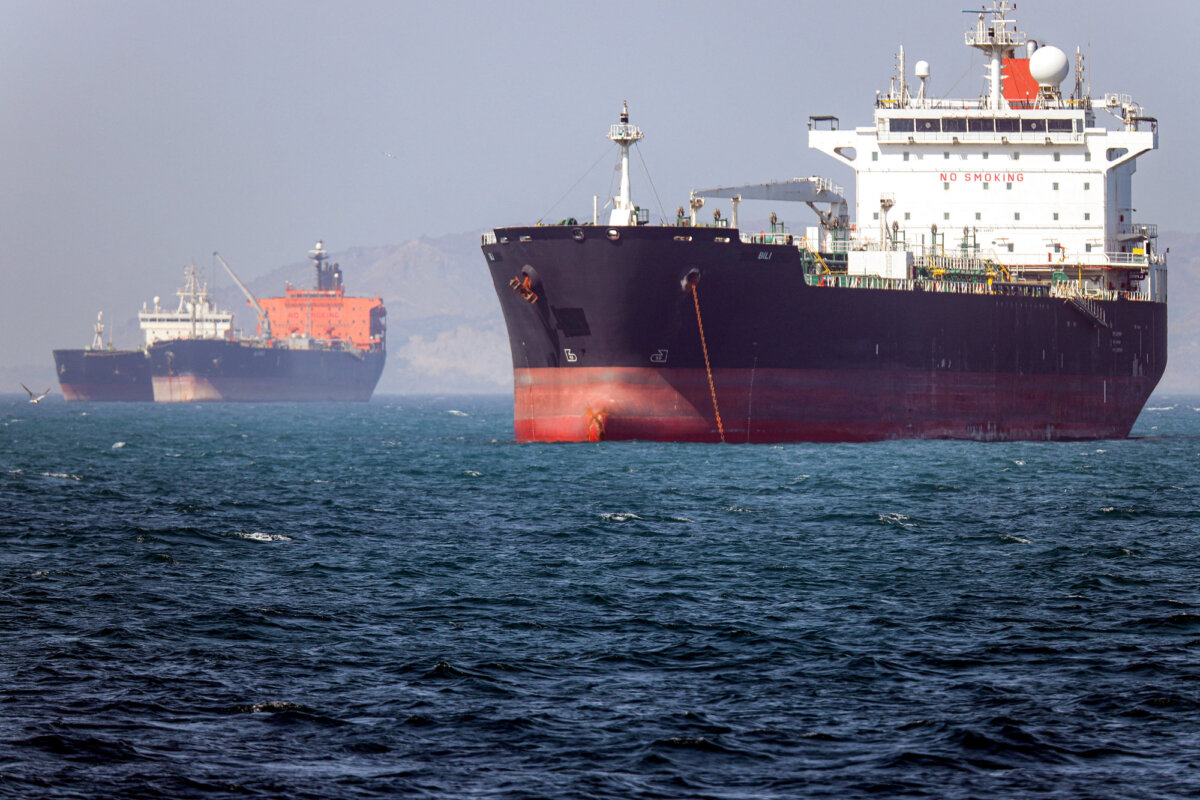
Iran’s Islamic Revolutionary Guard Corps said on Friday that it coordinated the transit of 35 ships through the Strait of Hormuz over the past 24 hours, PressTV reported.
A day earlier, the UK Maritime Trade Operations Center said that shipping traffic through the strait was much lower than in the previous 48 hours. No attacks on ships or ports were reported, it said, adding that the naval presence in the waterway remains elevated.
“Vessels are advised to maintain prudent separation from military units,” it added.
The Associated Press contributed to this report.
 Friends Read Free
Copy
Facebook
Tweet
Friends Read Free
Copy
Facebook
Tweet